Exploring the Montessori Journey
Many families embark on their educational journey by searching for “Montessori near me” or “Montessori school near me.” This initial quest often leads them to discover the Montessori method’s unique approach to learning and development. If you’re on this path, you can find resources and schools via our global Montessori locator at Montessori near me. For instance, families in Oberursel, Germany, can access tailored resources at Montessori near me in Oberursel, making it easier to find the right educational setting for their children.
The Core Principles of Montessori Pedagogy
Understanding Montessori pedagogy requires an exploration of its fundamental principles such as the prepared environment, autonomy, observation, and sensory learning. Each of these pillars plays a crucial role in creating a nurturing educational space that fosters independent learning.
Prepared Environment
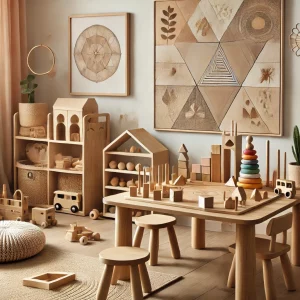
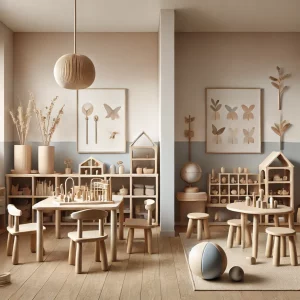
The concept of a prepared environment is central to Montessori pedagogy. It involves creating a space where children can explore, learn, and develop at their own pace. For example, a traditional classroom can be adapted by dividing it into different learning zones that cater to various activities—reading corners, hands-on science labs, and quiet study areas. This arrangement encourages children to choose where and how to engage, fostering a sense of autonomy over their learning experiences. For more insights into the transformations possible in educational environments, you can check our complete guide on Montessori pedagogy.
Autonomy
Another fundamental aspect is autonomy. This principle allows children to make choices that promote critical thinking and self-direction. A student teacher planning their first Montessori environment might encourage autonomy by offering children choices in project topics or materials. For instance, if a child chooses to learn about plants, they could select how they want to present their findings, whether through a drawing, a model, or a presentation. This not only makes learning more relevant to the child but also supports their personal interests and capabilities.
Observation
Observation is essential in Montessori pedagogy as it enables educators to understand and respond to the unique needs of each child. A teacher in a Montessori setting might spend time observing students engaging in various activities, noting how they interact with materials and each other. These insights allow teachers to tailor their guidance and support based on individual learning styles and interests. Our comprehensive guide offers further details on the role of observation in student learning.
Sensory Learning
Sensory learning is another core principle of Montessori education. This approach emphasizes the use of the five senses as a means of understanding and interacting with the world. In a practical example, a teacher could set up a sensory bin filled with different textures—such as sand, rice, and fabric. Children can engage in tactile play, which helps develop their fine motor skills and sensory awareness. This method of learning is discussed further in our recent article on embracing a Montessori approach.
Implementing Montessori Principles in Various Contexts
While the principles of Montessori pedagogy originate from a specific educational philosophy, they are adaptable and can be integrated into various learning environments. Whether in a traditional school or a home setting, parents, educators, and new teacher-training students can incorporate these principles to enhance children’s learning experiences.
Transforming a Traditional Classroom
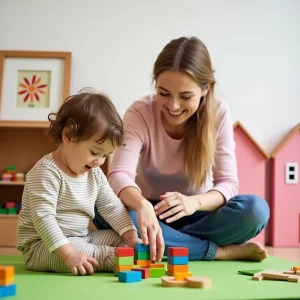
To transform a traditional classroom setting into a Montessori-inspired environment, educators can begin by reorganizing physical space and materials to promote hands-on learning. For example, rather than rows of desks facing the front, arrange tables in small groups to encourage collaboration. Implement access to manipulatives—such as blocks, puzzles, and art supplies—that children can freely choose. These adjustments align with Montessori principles by enhancing sensory and autonomous learning experiences.
Montessori in the Home
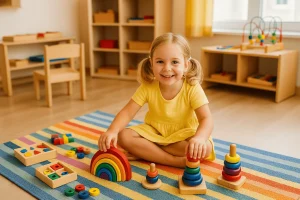
Implementing Montessori principles at home can also be simple yet impactful. Parents can create a prepared environment by ensuring that children have access to age-appropriate materials and activities. Designate a space with books, art supplies, and sensory materials where children can independently explore their interests. Additionally, encourage autonomy by allowing children to make choices in daily routines, such as selecting their clothes or helping in meal preparation. This approach aligns with the overarching goals of Montessori education—to foster independence and a love of learning.
Resources for Further Learning
For those looking to gain deeper insights into Montessori pedagogy, several resources are available. Our website offers a multitude of articles and guides that delve into the principles and applications of Montessori education. Explore this comprehensive guide designed for parents, educators, and student teachers alike.
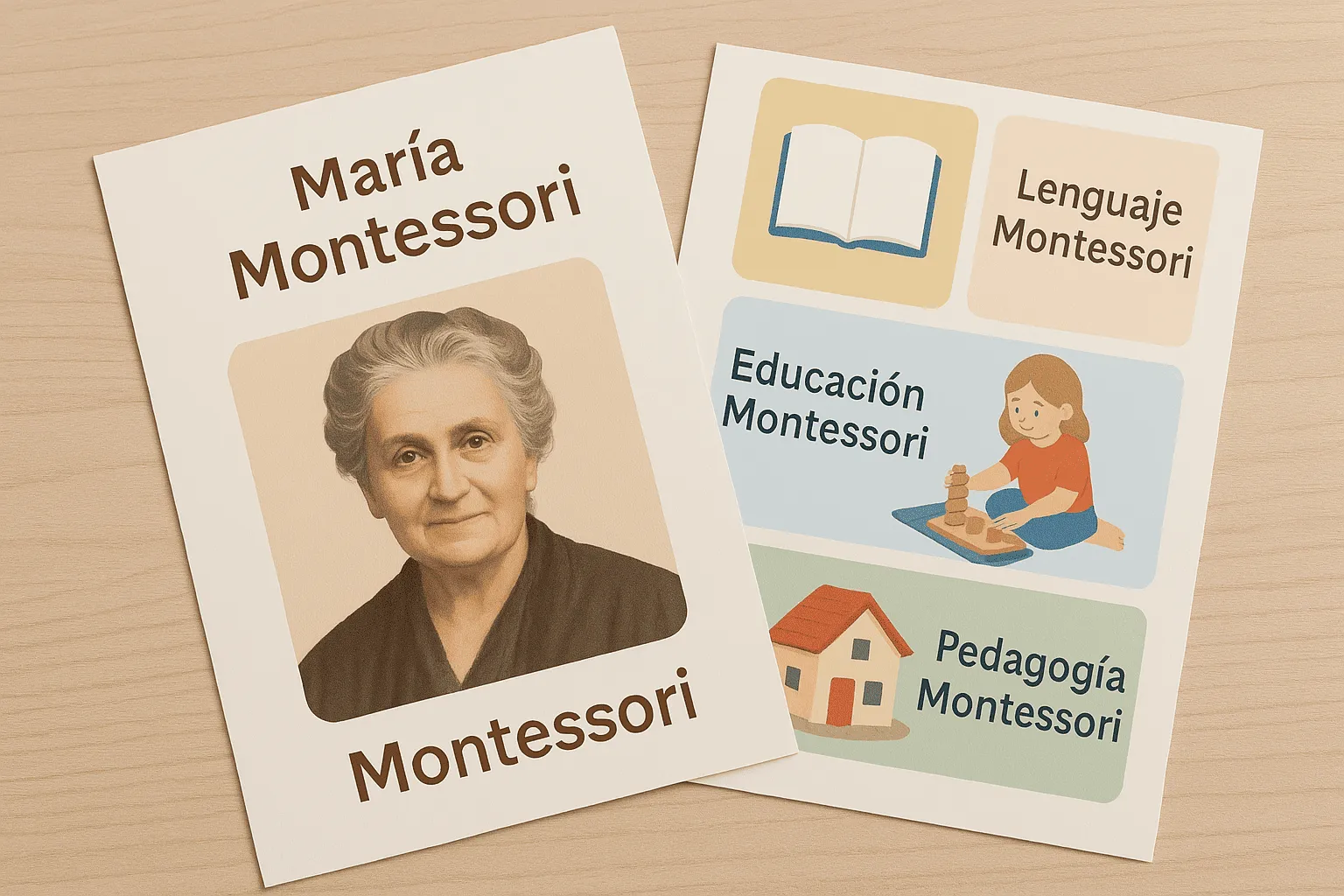
The Legacy of María Montessori
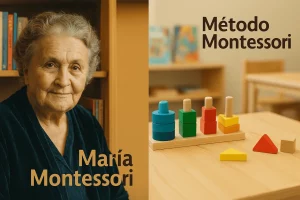
The impact of María Montessori and her educational philosophy cannot be overstated. Her innovative approach revolutionized the field of education by prioritizing the individual needs of children. By understanding her philosophy and the fundamental principles of Montessori, educators can create spaces that promote lifelong learning and curiosity.
Conclusion
Montessori pedagogy offers a transformative approach to education that is both enriching and empowering for children. By focusing on prepared environments, autonomy, observation, and sensory learning, we can create learning experiences that foster independence and encourage a natural love of learning. As you embark on or continue your journey into Montessori education, remember to explore the resources available on the Montessori Maria website, and connect with communities that share this commitment to child-centered education. Through collaboration and continuous learning, we can better support our children’s educational journeys.