Introduction: The Search for Montessori Education
In today’s educational landscape, many families commence their quest for knowledge by searching for “Montessori near me” or “Montessori school near me.” This digital age allows parents and educators alike to easily access information about Montessori education. Our website provides a global Montessori locator to help you find local options that embody this unique pedagogical approach. For instance, if you are located in Oberursel, Germany, you can find tailored Montessori schools through this specific link.
Understanding Montessori Pedagogy
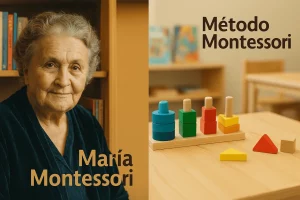
Montessori pedagogy, founded by Dr. Maria Montessori, emphasizes a child-centered approach to education that encourages independence and respects each child’s natural development. As you navigate a Montessori environment, whether as a parent, educator, or teacher-training student, understanding key pedagogical principles is essential. These principles include a prepared environment, autonomy, observation, and sensory learning.
The Prepared Environment
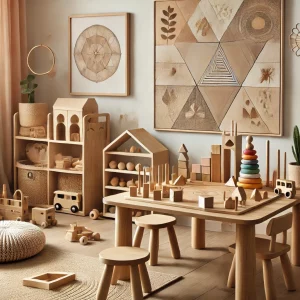
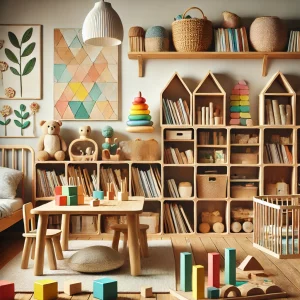
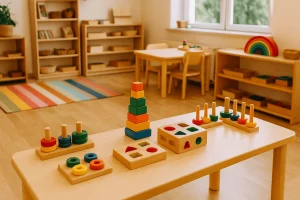
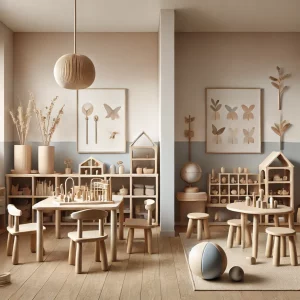
A prepared environment is crucial in a Montessori setting. It is meticulously organized to promote exploration and learning among young learners. For instance, let’s consider a traditional classroom being adapted into a Montessori environment. In a conventional setup, desks are often arranged in rows, limiting movement and interaction. By reorganizing the space into smaller, accessible workstations filled with hands-on materials, children can freely navigate their environment and engage in activities that pique their interest. This transformation allows for a more dynamic learning atmosphere that fosters collaboration and creativity.
Autonomy
Central to Montessori pedagogy is the concept of autonomy. Children thrive when they have the freedom to make choices about their learning. Educators can nurture this autonomy by allowing students to select their activities and work at their own pace. Consider a student teacher planning her first Montessori environment. She might set up a variety of learning stations, where each child can choose to work on math, language, or practical life skills according to their interests. This approach not only empowers children but also fosters a sense of responsibility and ownership over their education.
Observation
Observation is a cornerstone of Montessori teaching. Educators are trained to observe children carefully, assessing their interests and developmental needs without direct interference. This allows teachers to tailor lessons and materials to suit each child. For example, if a teacher notices a child struggling with fine motor skills during arts and crafts, she might introduce specific activities that strengthen those skills, thereby creating a personalized learning path. This understanding is explored further in our introduction to Montessori pedagogy.
Sensory Learning
Montessori pedagogy places a strong emphasis on sensory learning. Children learn best through their senses, and a classroom rich in sensory experiences helps facilitate this. In adapting a traditional classroom, teachers might incorporate a variety of materials with different textures, weights, and colors that stimulate sensory exploration. For instance, a sensory table filled with sand, water, or beans invites children to engage in creative play while simultaneously enhancing their cognitive skills. Such experiential learning is a vital element of the Montessori method, reinforcing concepts through tactile experiences.
Resources for Further Learning
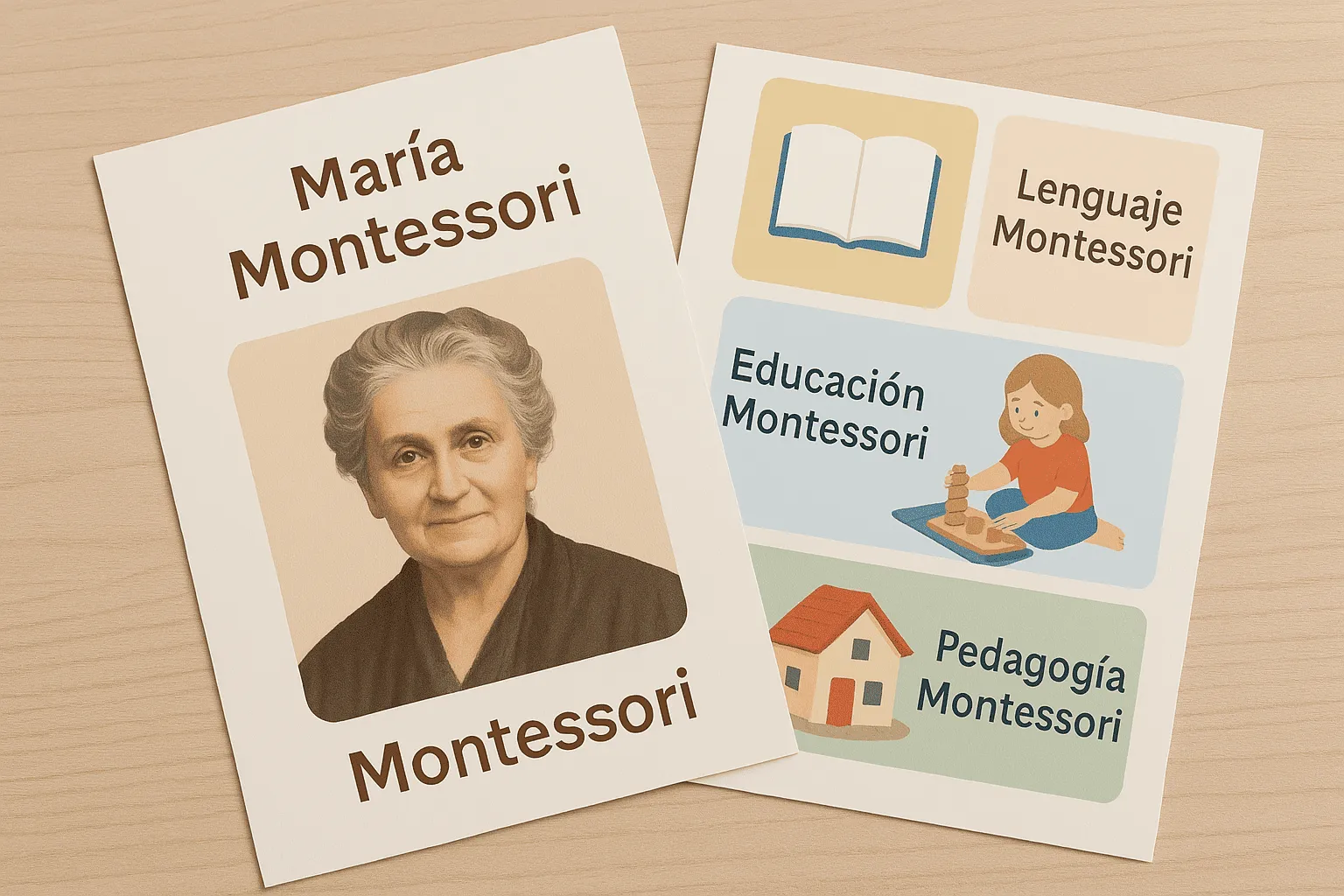
For those wanting to delve deeper into Montessori pedagogy, we recommend the complete guide to Montessori pedagogy available on our website. This resource breaks down the various components of Montessori education and offers insights into its transformative potential. Additionally, exploring the life and contributions of Maria Montessori herself provides valuable context for understanding the philosophy behind this approach.
Practical Implementation of Montessori Principles
Now that we have discussed the essential principles, let’s look at how you can practically implement them in various educational settings. For educators and parents, merging Montessori principles with traditional practices can be a rewarding journey.
Adapting Traditional Classrooms
Consider a traditional elementary school setting. A teacher looking to incorporate Montessori principles can begin by evaluating the layout of the classroom. Moving away from fixed seating arrangements and creating flexible learning spaces encourages movement and cooperation. Teachers can gather resources like understanding guides that explain how to facilitate a more dynamic classroom. Setting aside time for mixed-age group activities promotes peer learning, a hallmark of Montessori education.
Planning a Montessori Environment
For student teachers preparing to create their first Montessori environment, it’s essential to be intentional in your planning. Choose materials that promote hands-on learning and encourage exploration. A well-thought-out classroom could include a reading nook with varied literature, a science corner with nature specimens, and a manipulative area with mathematical tools. Creating aesthetic spaces filled with natural light and organized materials will inspire children to explore and engage with their learning. For further insights, check out this guide on the Montessori method.
Additional Resources and Articles
For more information on Montessori principles and practices, visit our website for the latest articles and insights. Some resources include:
Conclusion
Montessori pedagogy offers a transformative approach to education that empowers children to thrive in a supportive, engaging environment. As parents and educators begin their journey by searching for “Montessori near me,” it’s essential to understand the foundational principles that guide this pedagogical approach. By creating prepared environments, fostering autonomy, practicing careful observation, and emphasizing sensory learning, we can nurture a generation of lifelong learners. To continue exploring Montessori resources, be sure to visit the Montessori Maria website, where you can find additional articles and guides to help you along the way.