The Montessori Journey Begins with Local Exploration
As more families explore educational alternatives, many embark on their Montessori journey by searching for “Montessori near me” or “Montessori school near me.” Our website provides a global Montessori locator to help families find nearby options, such as those listed in Oberursel, Germany. This program is not just a trend; it’s a carefully crafted education philosophy that has transformed the lives of countless children, fostering independence, creativity, and a lifelong love for learning.
What is Montessori Pedagogy?
Montessori pedagogy is an educational approach developed by Dr. Maria Montessori, based on the belief that children learn best in a prepared environment that encourages autonomy and exploration. To truly understand this method, one should consider its core principles: the prepared environment, autonomy, observation, and sensory learning. For further details, visit our complete guide on Montessori pedagogy.
The Prepared Environment
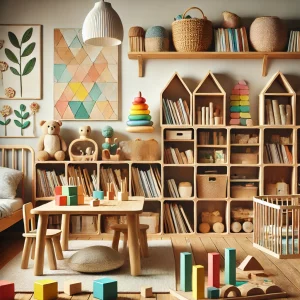
In a Montessori classroom, the prepared environment is fundamental. It is designed to offer children various activities that promote learning and development. For example, consider a traditional classroom where desks face the front. To adapt this to a Montessori approach, one might arrange workstations around the room with materials accessible at children’s heights. This encourages exploration and allows children to engage with the materials independently. Teachers become facilitators, ready to guide when necessary.
Autonomy
Montessori pedagogy emphasizes providing children with choices that foster their decision-making skills. Autonomy is expressed through allowing children to select their activities. Picture a student teacher planning their first Montessori environment. They might set up interest-based workstations featuring art supplies, math materials, or books, allowing children to choose what they wish to engage in. This choice instills a sense of responsibility and ownership regarding their learning.
Observation
Observation is a critical tool in Montessori education. It allows educators to understand each child’s needs, interests, and developmental progress. For instance, a teacher might notice a child who is particularly drawn to nature-related activities. By observing this interest, they can introduce more materials related to science and the outdoors, enhancing the child’s engagement and supporting individual learning paths.
Sensory Learning
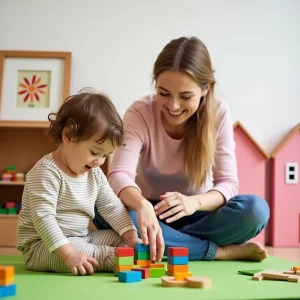
Montessori pedagogy incorporates sensory experiences for deeper understanding. For example, in adapting a lesson on geometric shapes, a teacher might use 3D materials that children can touch and manipulate. This multisensory approach helps solidify abstract concepts in a tangible way. When children feel and see the differences in shapes and forms, they retain that knowledge far better than through mere rote memorization.
Implementing Montessori in Traditional Settings
For educators in traditional settings looking to incorporate Montessori principles, small changes can make a significant impact. Introducing flexible seating arrangements, creating learning corners, and providing various materials can transform a classroom into a more engaging learning environment. The idea is to gradually introduce these elements while maintaining the essence of what Montessori education embodies.
Becoming Familiar with Maria Montessori’s Life and Work
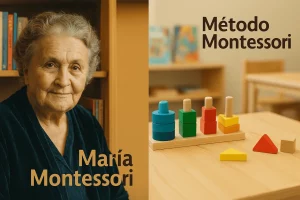
Understanding Montessori pedagogy also means appreciating the life of Maria Montessori. Her commitment to observing children and creating tailored learning experiences laid the foundation for this educational approach. Learning about her philosophies and methods can further enrich parents’ and educators’ understanding of the Montessori framework.
Practical Applications for Educators and Parents
As parents or educators looking to implement Montessori principles, starting at home can also be impactful. Consider creating a space at home with materials that encourage exploration and independence. Simple tasks like arranging daily routines that allow for choice and hands-on activities can foster a Montessori mindset. For more in-depth guidance on engaging children in this manner, check our page on understanding the Montessori method.
Resources and Further Learning
For those keen to delve deeper, the Montessori Maria website offers numerous resources, including articles on various aspects of Montessori education. Recent topics include the importance of mixed-age classrooms, the role of the teacher in a Montessori setting, and how to choose Montessori materials effectively. Here are a few links to recent posts:
- Discovering Montessori: A Guide for Parents Seeking Meaningful Educational Experiences
- Understanding Montessori Pedagogy: A Comprehensive Guide for Parents, Educators, and Teacher-Training Students
- Understanding Maria Montessori: A Guide for Parents and Educators
- Montessori Education: A Comprehensive Guide for Parents and Educators
- Understanding the Montessori Method: A Guide for Parents and Educators
Conclusion: Embracing Montessori in Your Community
In conclusion, Montessori pedagogy offers an innovative framework for education that prioritizes child-led learning and holistic development. By exploring Montessori options in your area, you can connect with like-minded families and educators who share your values. As you embark on this journey, embrace the principles of observation, autonomy, and the prepared environment to foster a successful learning experience for the children in your care.