Introduction to Montessori Pedagogy
Many families embarking on their educational journey often find themselves searching for terms like “Montessori near me” or “Montessori school near me”. This search may stem from a desire to find an educational approach that resonates with their values and aspirations for their children. Our website offers a global Montessori locator at Montessori near me, providing resources to connect parents and educators with nearby Montessori schools, including specific examples such as Oberursel, Germany. Discovering Montessori education can feel overwhelming, but by understanding its foundational principles, parents and educators can make informed decisions that foster children’s growth and development.
The Core Principles of Montessori Pedagogy
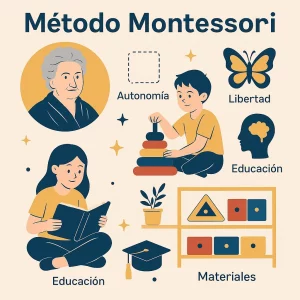
Montessori pedagogy is built on several core principles that guide the educational process. These principles include the prepared environment, autonomy, observation, sensory learning, and individualized pacing. Below, we delve into each principle and provide practical examples to illustrate their application in both traditional and Montessori settings.
Prepared Environment
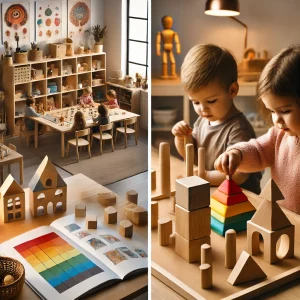
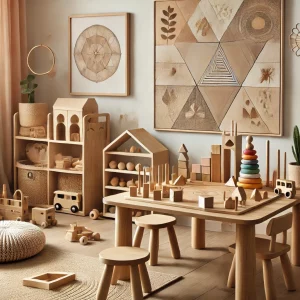
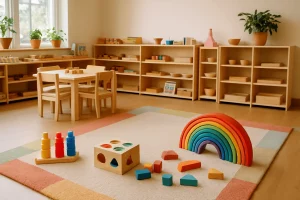
The concept of a prepared environment emphasizes the importance of creating spaces that are engaging, organized, and tailored to the developmental needs of children. In a traditional classroom, a teacher might adapt the environment by arranging furniture to promote a sense of community and allowing children to access materials easily. For instance, consider a classroom where movable furniture allows for collaborative group work versus fixed desks in rows where students remain isolated.
Autonomy
Encouraging autonomy in children is a cornerstone of Montessori education. Students are empowered to make choices about their learning and engage in self-directed activities. A student teacher planning their first Montessori environment might incorporate activities like self-service snack stations where children decide when and what to eat, fostering independence. This practice fosters confidence and decision-making skills that apply far beyond the classroom.
Observation
Observation is a critical component of the Montessori method, allowing educators to understand their students better, tailor lessons to individual needs, and facilitate learning. For example, a teacher may observe a child struggling with a particular concept and decide to provide additional resources or adjust the approach to that child’s unique learning style. This helps create an effective learning environment, catering to diverse needs.
Sensory Learning
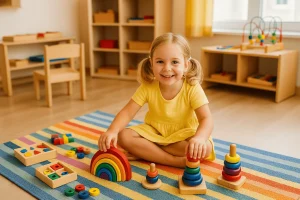
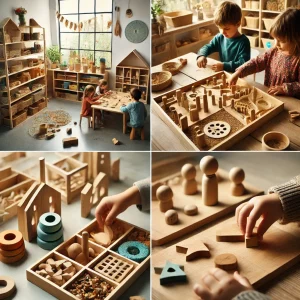
Montessori education heavily emphasizes sensory learning, recognizing that children learn best through their senses. In a traditional classroom setting reformed with Montessori principles, teachers might introduce sensory bins filled with various materials for children to explore. For instance, bins filled with rice, beans, or sand can provide tactile experiences that allow children to learn about textures, quantities, and measurements in a hands-on way.
Individualized Pacing
Lastly, individualized pacing permits children to learn at their own speed, fostering a deeper understanding of concepts. In a Montessori setting, the teacher acts not as a lecturer but as a guide, helping students navigate their learning journey. For instance, a child interested in reading can work at their pace, choosing books that are engaging and suitable for their level, while others may focus on math activities until they feel ready to tackle more complex concepts.
The Role of Educators in Montessori Settings
Educators in Montessori environments play a crucial role as facilitators of learning. Rather than delivering information, they observe, assess, and provide the appropriate materials and guidance when needed. Teachers trained in Montessori pedagogy understand the nuances of child development and can create customized learning experiences for each student.
Supporting the Transition
For parents transitioning their children from a traditional educational setting to a Montessori environment, understanding and supporting this shift is essential. Engaging with resources such as the Comprehensive Guide to Montessori Education can provide valuable insights. Communication between parents and educators is crucial, ensuring that children feel supported as they adapt to a different approach to learning.
The Importance of Community
Community is a vital component of Montessori education. Parents, educators, and the broader community must work together to support each child’s learning journey. Regular workshops, family events, and collaborative projects help to strengthen relationships and foster a supportive learning atmosphere. Visiting local Montessori centers through our locator can help build connections among families, educators, and schools, promoting a shared understanding of Montessori principles.
Resources for Educators and Parents
There are numerous resources available to help parents and educators delve deeper into Montessori pedagogy. For those interested in the historical context and foundational theories, an introduction to Montessori pedagogy can provide a comprehensive overview. In addition, for an in-depth understanding of María Montessori and her innovative methods, exploring her life and philosophies can be incredibly beneficial.
Connecting with the Montessori Community
Connecting with other parents and educators interested in Montessori pedagogy can enhance understanding and foster a vibrant community. Engaging with blogs, forums, and educational websites such as the Montessori Maria website can provide ongoing support and inspiration. Furthermore, many schools offer parent workshops and training sessions to help families navigate Montessori education together.
Conclusion
Understanding Montessori pedagogy is a journey for both parents and educators that can be immensely rewarding. By familiarizing themselves with the core principles of this educational philosophy, they can support children in becoming autonomous, engaged learners. As families search for Montessori schools near them, they can rest assured that a wealth of resources is available to guide them along the way. Discovering Montessori education not only enhances children’s learning experiences but also creates a supportive community that values exploration, growth, and independence.
Further Reading
To further immerse yourself in the principles and applications of Montessori pedagogy, please explore these additional articles: Understanding the Montessori Method, Understanding Maria Montessori, Exploring Montessori: A Parent’s Guide, and Understanding Montessori Pedagogy. Each article provides insights and strategies to help parents and educators foster the best possible learning environments for children.