Introduction
Many families embark on their Montessori journey by searching for terms like “Montessori near me” or “Montessori school near me.” They are often eager to provide their children with an enriching educational experience that aligns with their values. If you’re one of these families, our website offers a global Montessori locator tool at Montessori near me, helping you find nearby schools and resources. For example, you can explore options in areas like Oberursel, Germany, through Montessori schools in Oberursel.
The Core Principles of Montessori Pedagogy
Montessori pedagogy, developed by María Montessori, is characterized by several core principles that facilitate holistic learning. These include a prepared environment, autonomy, observation, and sensory learning, among others. Let’s explore each of these principles with practical examples that resonate nicely within both traditional and Montessori contexts.
Prepared Environment
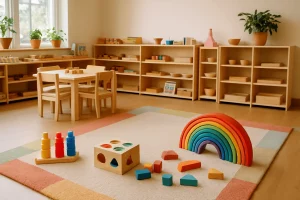
The prepared environment is a cornerstone of Montessori education, carefully designed to support children’s natural desire to learn. In a traditional classroom setting, this might mean rearranging furniture to create learning stations. For example, in adapting a traditional classroom, educators could create separate areas dedicated to reading, mathematics, and science, filled with materials that encourage exploration—such as puzzles, books, and hands-on experiments. Making these materials accessible to students could significantly enhance their independence and engagement in the learning process.
Autonomy
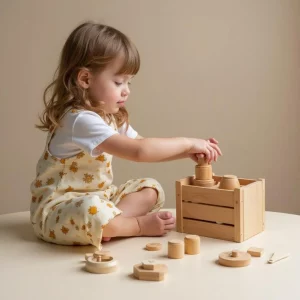
Montessori pedagogy emphasizes the importance of autonomy. When student teachers plan their first Montessori environment, they should incorporate opportunities for children to choose their activities. For instance, instead of the teacher dictating the lesson, children could select from a variety of tasks that catch their interest. This not only fosters self-discipline but also allows students to take ownership of their learning journeys. An introduction to Montessori pedagogy can provide deeper insights into how fostering autonomy can enhance educational experiences.
Observation
Observation in the Montessori context refers to the practice of teachers watching the children to understand their needs and readiness for learning. In a traditional classroom, this could involve a teacher actively monitoring students as they work, perhaps noticing some students struggle with a particular concept. The Montessori way would take this a step further by allowing teachers to analyze behavior patterns without interrupting the flow of learning. For example, if a student shows interest in sandpaper letters, the teacher might prepare a lesson on phonetics, using that observation to tailor learning experiences to the child’s interests.
Sensory Learning
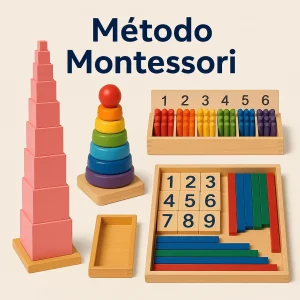
Sensory learning is pivotal in Montessori pedagogy, where children learn through hands-on experiences that engage all five senses. To adapt this in a traditional classroom, educators could incorporate tactile materials like counting beads or texture boards. For instance, a math lesson could involve using physical objects to help students grasp abstract concepts through manipulation and sensory engagement. This method is not only more impactful but caters to various learning styles.
Adapting Traditional Classrooms to Montessori Methods
Transforming a traditional classroom into a Montessori environment doesn’t happen overnight. It requires thoughtfully reimagining not just physical space but the entire educational approach. Teachers considering this transition can glean valuable insights from the comprehensive guide to Montessori education. By developing an understanding of Montessori principles, educators can create a blend of traditional and Montessori practices that respect the child’s developmental pace and individual needs.
Real Equity in Learning
One practical application could be providing a mixed-age classroom setting in traditional environments. In doing so, older students can mentor younger peers, promoting collaborative learning experiences inspired by the Montessori model. This not only values the role of the elder students but also empowers younger students to learn from their peers, creating a community of learners.
The Role of Observations in Teaching Practices
Teachers must regularly reflect on their observations to adapt their teaching practices effectively. Maintaining a log of observations can help these educators tap into the unique interests and capabilities of each child. By doing so, they create individualized learning plans that nurture natural curiosity and promote a lifelong love for learning.
Assessing and Understanding Montessori Pedagogy
If you’re interested in exploring more about effective assessment strategies within the Montessori framework, consider reading Understanding the Montessori Method, which provides insights into evaluating student progress without traditional grading systems.
Conclusion
Embracing Montessori pedagogy can seem intimidating, especially for parents, educators, and teacher-training students accustomed to traditional schooling methods. However, with a foundational understanding of its principles, inspired resources, and practical applications, transitioning to this educational approach can be both enriching and rewarding. For those looking for more articles that delve deeper into the principles of Montessori education, the Montessori Maria website features a wealth of information. Additionally, you can learn more about Montessori methodologies and their application in everyday life through the article Understanding Montessori. Let’s continue our exploration of this transformative teaching methodology and its potential to change the lives of children around the world.