An Introduction to the Montessori Journey
Many families embark on their educational journey by searching for “Montessori near me” or “Montessori school near me.” This initial search often stems from a desire to find an educational approach that nurtures a child’s natural inclination to learn. The Montessori method, founded by María Montessori, emphasizes child-centered learning through a carefully prepared environment that fosters independence, curiosity, and respect.
Global Montessori Locator
Our website offers a global Montessori locator that can help you find local options tailored to your child’s needs. For instance, you can check our Montessori locator to discover schools in your area, like in Oberursel, Germany, where you can learn more here.
Core Principles of Montessori Pedagogy
The Montessori pedagogy is guided by several key principles that define its framework. Let’s break these down to understand how they can be implemented in both new Montessori classrooms and traditional classroom settings adapting to this philosophy.
Prepared Environment
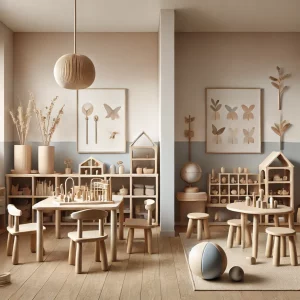
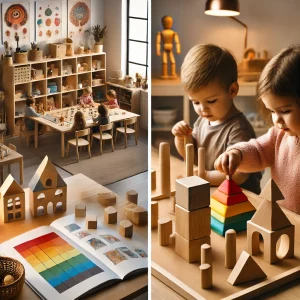
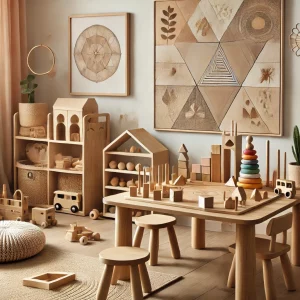
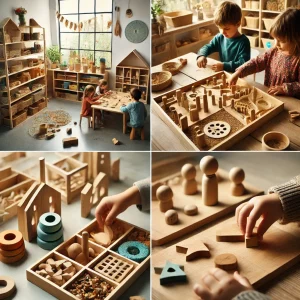
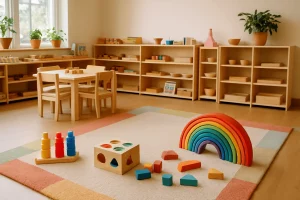
The concept of a “prepared environment” is fundamental to Montessori education. This means creating a classroom space that is organized, accessible, and enticing for children. Imagine a traditional classroom where desks are aligned in rows, with limited materials available. Instead, a Montessori environment encourages movement and interaction by offering a variety of engaging learning materials within reach. A traditional teacher could adapt their classroom by setting up learning stations — a reading corner, a science exploration area, and even a hands-on math center. This setup allows children to choose where they want to go, promoting autonomy and engagement.
Autonomy
Autonomy in Montessori encourages children to take charge of their learning. In a traditional classroom transitioning to Montessori, a student teacher can implement autonomy by allowing students to choose their own projects or topics of study. This shift may involve providing loose guidelines while encouraging students to explore concepts of interest. For example, if a student is fascinated by dinosaurs, they could engage in a series of activities — from reading books to creating a presentation — about that subject, fostering independence and a love for learning.
Observation
Observation is a powerful tool in the Montessori approach, allowing educators to understand children’s needs and interests. In a mixed-age classroom, a teacher can observe interactions, noting social dynamics and academic progress. By recognizing when a child is stuck or disengaged, the teacher can step in with support or guidance without interrupting the child’s flow of learning. For instance, if a student struggles with multiplication, the educator might introduce a tactile math material that helps them grasp the concept through hands-on experience.
Sensory Learning
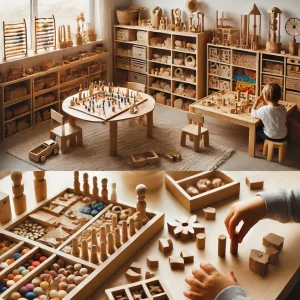
Montessori pedagogy prioritizes sensory learning, encouraging students to learn through their senses. A traditional classroom may rely heavily on worksheets or lectures, which can be less impactful for kinesthetic learners. By incorporating sensory materials, such as sandpaper letters for spelling or counting beads for math, a teacher can create opportunities for students to engage more fully. For example, in a traditional art class transitioning to Montessori, students could work with natural materials, clay, or textures to express their creativity, further enhancing their learning experience.
Preparing for a Montessori Environment
If you’re a student teacher planning their first Montessori environment, consider the following steps to implement these principles effectively:
- Create Zones: Divide your classroom into specific areas for different subjects or activities.
- Gather Materials: Include a range of developmental materials catering to various learning styles.
- Foster Independence: Allow children to make choices and manage their time effectively.
- Encourage Collaboration: Promote peer learning by allowing students to work together on projects.
- Implement Routines: Teach students how to care for their environment and materials.
Resources for Montessori Educators
For those interested in diving deeper into Montessori philosophy and practice, our complete guide on Montessori pedagogy provides valuable insights and structured methods. Additionally, an introduction to Montessori pedagogy can further elucidate how this approach supports autonomy and lifelong learning.
Finding Montessori Schools Nearby
When searching for “Montessori near me,” you may come across various schools that may fit your educational philosophy. Consider checking out the following links for more information on Montessori schools in your area:
- North College Hill City, OH
- Northgate CDP, OH
- Northfield Village, OH
- North Fairfield Village, OH
- North Hampton Village, OH
Conclusion
As you navigate your educational journey, understanding Montessori pedagogy can empower you as a parent, educator, or aspiring teacher. Through a well-prepared environment, fostering autonomy, dynamic observation, and sensory learning, the Montessori method supports children in becoming engaged, self-directed learners. By accessing resources such as the Montessori Maria website, you can explore more about this transformative approach to education, ensuring a fulfilling experience for both you and your child.