INTRODUCTION
Parents and educators often start their search for alternative educational methods by typing in queries like “Montessori near me” or “Montessori school near me.” Many families are seeking an educational environment that promotes independence and a love for learning. If you are one of those families or individuals looking for guidance, our website offers a global Montessori locator at Montessori near me, which can help you find local Montessori schools and resources that fit your needs. For example, you can check this specific link for options in Oberursel, Germany: Montessori in Oberursel.
WHAT IS MONTESSORI PEDAGOGY?
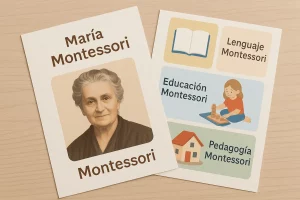
Montessori pedagogy is an educational approach developed by Dr. María Montessori over a century ago. The method emphasizes child-centered learning, fostering autonomy, and respect for a child’s natural psychological development. For parents and educators who wish to delve deeper into the philosophy, you can find a introduction to Montessori pedagogy on the Montessori Maria website.
KEY PRINCIPLES OF MONTESSORI PEDAGOGY
The Montessori method is built on several foundational principles, including:
- Prepared Environment
- Autonomy
- Observation
- Sensory Learning
PREPARED ENVIRONMENT
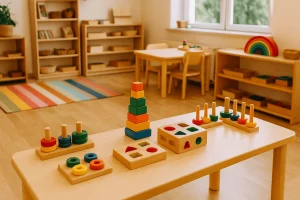
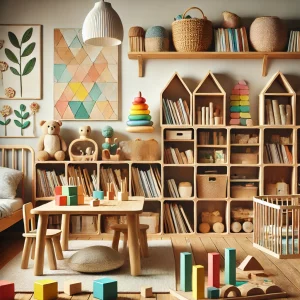
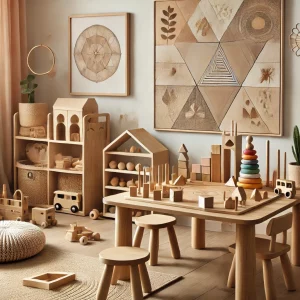
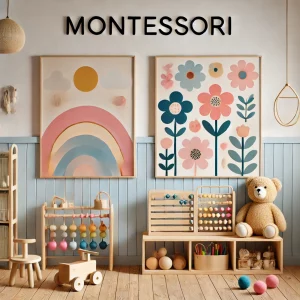
The idea of a prepared environment is crucial. This entails designing a classroom that caters to children’s interests and developmental stages. For instance, if a traditional classroom is being adapted for Montessori use, furniture should be scaled down to child size and learning materials should be easily accessible. Resources should be organized in a way that promotes independence.
REAL-WORLD EXAMPLE
Imagine a scenario where a traditional classroom teacher is creating a new Montessori space. That teacher may start by rearranging desks into small workstations instead of rows. All materials—such as books, art supplies, and math manipulatives—could be stored on low shelves where children can easily reach them.
For a detailed outline of how to transform a traditional space into a Montessori environment, refer to our complete guide to Montessori pedagogy.
AUTONOMY
Autonomy is another cardinal principle of Montessori education, where children are encouraged to make choices about their learning. This empowerment fosters critical thinking and self-confidence. Educators guide rather than direct, allowing children to explore their interests within a structured framework.
REAL-WORLD EXAMPLE
When planning their first Montessori environment, a student teacher might implement a “work cycle,” where children can choose their activities for a set period. Such flexibility allows students to engage deeply with subjects that fascinate them, whether it’s a science experiment or a creative arts project.
OBSERVATION
Observation is a vital tool within the Montessori method. By observing children at play and during learning activities, educators can glean insights into each student’s interests and needs, which in turn informs lesson plans and materials provided.
REAL-WORLD EXAMPLE
For instance, during a week of science observations, a teacher might notice that several students show a keen interest in insects. Using this observation, the teacher can introduce related activities, such as insect habitats or life cycles, ensuring that learning remains relevant and engaged to the students.
SENSORY LEARNING
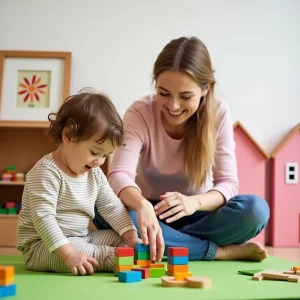
Montessori pedagogy places a significant emphasis on sensory learning, which encourages children to explore and learn through their senses. Such methods aid in better retention and understanding of concepts.
REAL-WORLD EXAMPLE
In a Montessori classroom, a child learning about measurements might engage with various objects of different sizes and weights, using scales to explore these concepts firsthand. This hands-on approach not only makes learning interactive but also deeply ingrains the concepts being taught.
ADAPTING TRADITIONAL CLASSROOMS TO MONTESSORI
Educators transitioning from a traditional teaching approach to Montessori may face challenges. Key strategies include continual professional development and a commitment to learning about Montessori principles. For extensive resources on understanding the Montessori method, you can read our article on Understanding the Montessori Method.
ASSESSING THE BENEFITS OF MONTESSORI
Parents often wonder about the long-term benefits of a Montessori education. Research indicates that children educated under this system often demonstrate improved academic performance and enhanced social skills compared to traditional education models. By instilling a sense of autonomy and self-direction, children grow into lifelong learners. To explore more about why Montessori may be the right choice for your child, check out our latest article on Discovering Montessori.
FINAL THOUGHTS
Adopting Montessori pedagogy requires a profound commitment to understanding its principles and practices. For those interested in deepening your knowledge, explore the works and teachings of María Montessori. Remember, whether you are a parent, educator, or teacher-training student, embracing Montessori’s philosophy can pave the way for nurturing a generation of confident, independent learners.
To find a Montessori school in your area, be sure to check out Montessori near me, and start your journey toward transformative education today.
Lastly, don’t forget to visit our latest articles to stay updated on the transformative power of Montessori education!