Introduction to Montessori Education
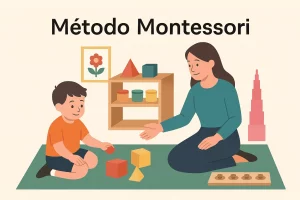
In today’s fast-paced world, parents across the globe are seeking effective educational methods that cater to their children’s needs. They often turn to online searches like “Montessori near me” or “Montessori school near me” in hopes of discovering vibrant learning environments for their children. Montessori education, founded by Maria Montessori, emphasizes self-directed learning and collaboration, which resonates with the desires of modern parents and educators alike. Our website offers a comprehensive guía completa sobre la pedagogía Montessori to further explore this transformative approach.
Creating a Montessori Home Environment
The journey of implementing Montessori principles begins at home. Parents can create an environment that fosters independence, freedom, and a love for learning. Start by designing a space that encourages exploration. This could be as simple as arranging a child-friendly kitchen area where children can safely engage in meal preparation, fostering both life skills and autonomy. Imagine a space with low shelves filled with accessible, real-life tools tailored to a child’s size. Here, a child can mix ingredients or wash vegetables, all while learning responsibility and nurturing their senses.
Practical Activities for Independence
Consider a scenario where a parent sets up an inviting art station within their home. This could include various art supplies such as paper, crayons, and natural materials like leaves and flowers. By allowing children to choose their own materials and express their creativity freely, parents promote decision-making skills and self-expression. This aligns with Montessori’s emphasis on sensory experiences, cultivating both fine motor skills and cognitive development. For a deeper understanding, check out our comprehensive guide detailing the Montessori approach.
Optimizing the School Environment
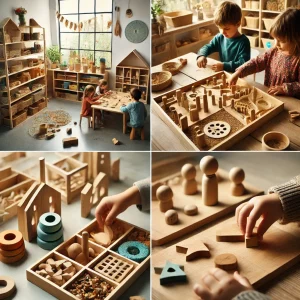
In a Montessori school setting, the environment plays a vital role in facilitating learning. Teachers are not merely instructors; they are guides who carefully prepare the classroom to inspire curiosity and collaboration. One example of this is the arrangement of learning materials on shelves. A dedicated and experienced teacher might adapt the shelves to promote independence. For instance, placing materials that require different levels of engagement at varying heights ensures that children can choose activities suitable for their developmental stage. This setup encourages them to take charge of their own learning.
Collaborative Learning Experiences
A significant advantage of a Montessori school is the mixed-age classrooms that promote collaboration and peer learning. In a classroom, an older child might help a younger peer with a complex puzzle, reinforcing their understanding in the process. This not only benefits the learners but also gives the older students a sense of responsibility and mentoring. Such interactions cultivate social and emotional skills essential for personal development. If you’re looking for more insights on how to align Montessori techniques in a school setting, explore our understanding Montessori guide.
Supporting Emotional Development
One of the core tenets of Montessori education is emotional development. Children in a Montessori setting are encouraged to be aware of their emotions and learn self-regulation—a crucial skill in today’s society. For example, when a student feels frustrated while working on a task, a teacher may gently prompt them to take a break, breathe, or express their feelings verbally. This approach allows children to recognize their emotions and teaches valuable coping mechanisms.
Encouraging Self-Regulation
Incorporating mindfulness practices into the daily routine can further enhance emotional development. Activities like yoga, focused breathing, or simply having ‘quiet moments’ help teach children how to manage anxiety and stress effectively. Schools can introduce a designated ‘calm corner’ where students can retreat when feeling overwhelmed. Here, they can engage in activities like coloring or reading independently until they are ready to rejoin their peers. For more compelling strategies about fostering emotional intelligence, view our guide to Montessori pedagogy.
Conclusion: The Montessori Journey
The principles of Montessori education offer parents and educators a variety of frameworks to explore. Whether you are looking for a Montessori school near me or practical tips for home, understanding the Montessori philosophy can be transformative for children’s learning experiences. Through designing enriching environments both at home and in school, and fostering emotional development, we can nurture the next generation of confident, independent learners. With resources like the Montessori Maria platform and its AI assistant MarÍA, parents and educators have access to a wealth of knowledge about implementing Montessori education effectively.
Additional Resources
For those looking to deepen their understanding of Montessori education, check out the following articles: Understanding Maria Montessori, Understanding Montessori Education, and The Montessori Method Explained. Embracing this enriching approach can create a powerful impact on your child’s educational journey.