Introduction to Montessori Education
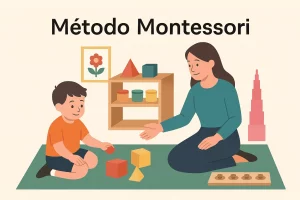
Parents and educators around the globe are increasingly searching for innovative educational methodologies that foster independence and a love of learning in children. Many of these inquiries include phrases like “Montessori near me” or “Montessori school near me,” reflecting the growing interest in the educacion montessori approach. To assist families in finding suitable Montessori resources in their area, our website features a Montessori locator tool, which you can access at Montessori near me. This guide aims to provide a comprehensive understanding of how Montessori principles can be integrated both at home and in school environments, fostering emotional development in children.
Home Environment
Creating a Montessori-aligned home environment is crucial for nurturing a child’s natural curiosity and independence. Parents can implement specific strategies that align with the introduction to Montessori pedagogy.
Montessori-Inspired Kitchen Space
One practical example is the creation of a Montessori-inspired kitchen space. Parents can set up low shelves that hold child-sized utensils, plates, and food items. This not only allows children to help with meal preparation but also encourages them to make choices independently. For instance, a child might choose to prepare their own snack, selecting fruit and spreading nut butter on toast—all while feeling empowered by their ability to participate in daily tasks.
Organized Play Areas
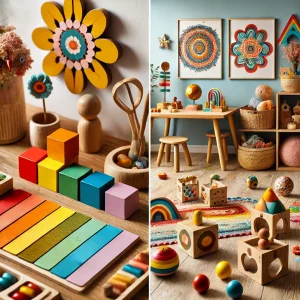
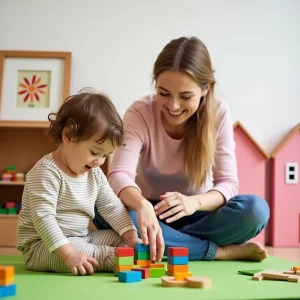
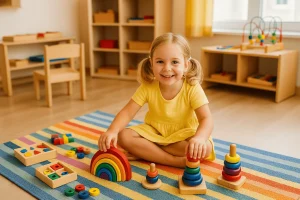
Additionally, organizing play areas with accessible materials can enhance a child’s ability to choose their activities freely. For example, a dedicated area with open access to art supplies, building blocks, and books encourages self-directed exploration. Children can engage in meaningful play that stimulates their creative and cognitive development.
School Environment
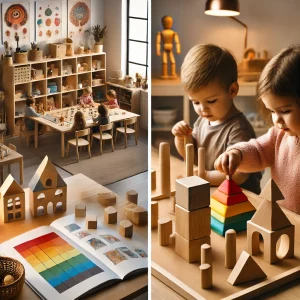
In a Montessori school environment, educators play an essential role in facilitating independence and self-regulation among students. The layout of the classroom and the materials available can significantly influence how children learn and interact with their peers.
Adapted Learning Spaces
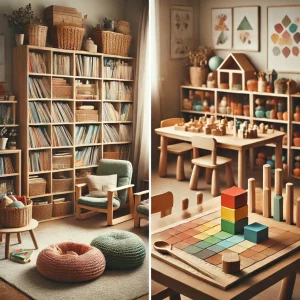
For instance, a teacher might adapt classroom shelves to ensure that students can access materials independently. When children know where to find toys, books, or learning tools, they become more engaged and capable of self-directed learning. This supports the individual learning pace of each child, allowing them to delve deeper into subjects that pique their interest.
Benefits of Self-Regulation
An essential aspect of the educacion montessori methodology is fostering emotional development through self-regulation. Children learn to manage their emotions and behaviors in a supportive environment. For example, a Montessori teacher might introduce mindfulness activities or conflict-resolution strategies to help children develop skills for managing their feelings and resolving disputes amicably.
Emotional Development
Emotional development is central to the Montessori philosophy. Encouraging children to express emotions and understand their own and others’ feelings leads to improved social interactions and emotional maturity.
Building Emotional Intelligence
Montessori environments prioritize activities that promote emotional intelligence. Educators can incorporate role-playing games where children practice empathy by acting out various scenarios. This hands-on approach helps them navigate complex emotions and understand different perspectives.
Peer Interaction and Cooperation
Furthermore, the multi-age classroom setting typical of Montessori schools encourages peer interaction and cooperation. Older children often mentor younger ones, enhancing responsibilities and empathy. Such dynamics foster a sense of community and belonging among students, crucial to emotional well-being.
Conclusion
In conclusion, embracing educacion montessori can offer profound benefits for both parents and educators aiming to cultivate independence, emotional intelligence, and a love of learning in children. Whether you are looking to create a peaceful and engaging home environment or explore Montessori schools in your area, remember the essential role of autonomy in fostering a child’s development. For more insights, access our guía completa sobre la pedagogía Montessori, which provides a transformative approach to education.
For those eager to learn more about Maria Montessori’s life and methods, explore the wealth of resources available on our site, including articles like Understanding the Montessori Method: A Guide for Parents and Educators, Understanding Maria Montessori: A Guide for Parents and Educators, and Understanding Montessori Pedagogy: A Guide for Parents, Educators, and Teacher Training Students. Discover how Montessori education can pave the way for independence and learning in your child’s life with articles like Montessori Education: A Path to Independence and Learning for Your Child and Discovering Maria Montessori: A Guide for Parents and Educators.
Visit the Montessori Maria platform and its AI assistant MarÍA for more resources and guidance. Join the community of parents and educators committed to enriching children’s journeys in the world of Montessori education.