Montessori and Its Global Recognition
Parents and educators across the globe often find themselves in search of effective educational methods for children, regularly typing phrases like “Montessori near me” or “Montessori school near me” into search engines. This quest signifies a desire for guidance as they explore educational frameworks that promote independence, creativity, and critical thinking in young learners. Our website provides an excellent resource through our Montessori locator tool, which helps families find local Montessori schools and communities dedicated to this transformative approach. You can explore your options via these links: Montessori near me and Montessori school near me.
Creating a Montessori-Inspired Home Environment
To truly embrace the principles of educacion montessori (Montessori education), parents can start by transforming their home into a Montessori-inspired environment. This begins with making spaces accessible and promoting independence in children. For instance, consider creating a Montessori-inspired kitchen area where children can participate in meal preparation. Lowering kitchen utensils like wooden spoons, bowls, and even child-sized cutting boards allows toddlers to engage in cooking with supervision. This not only fosters independence but also develops practical life skills.
Practical Examples at Home
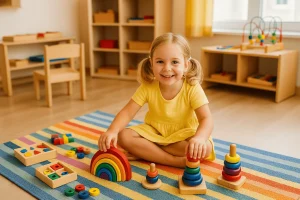
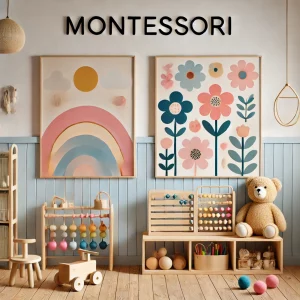
A great example of Montessori principles can be found in how families organize a child’s play area. Instead of cluttered toy bins, a well-stocked shelf with open-access toys encourages children to choose what and when to play. In this setup, each toy has its designated spot, creating a sense of order and ease of access. Similarly, parents can incorporate nature into learning by setting up a small garden where children can plant seeds and watch them grow, nurturing a sense of responsibility and respect for living things.
The Importance of a Montessori School Environment
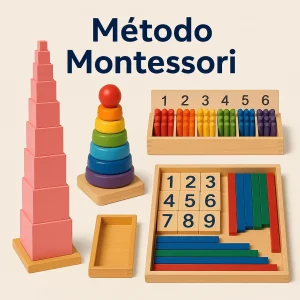
When children transition to a Montessori school, they encounter an environment meticulously designed to promote exploration and independent learning. Classrooms are equipped with materials that are specific to developmental stages, allowing children to engage not only in guided activities but also in self-directed learning that caters to their interests. For example, a teacher might observe that a group of children is fascinated by insects, prompting them to adapt the classroom’s shelves to include hands-on activities such as magnifying glasses and model insect habitats.
Concrete School Examples
One concrete example of adaptation in a Montessori classroom is how teachers implement self-regulated activities. A child engaged in a sensory bin experiment with sand and water is allowed to explore different textures and concepts at their own pace. This freedom in choice encourages students to develop self-regulation and critical thinking skills, as they learn to navigate both successes and challenges during play.
Emotional Development Through Montessori Principles
Emotional development is a crucial aspect of the Montessori approach. Children are encouraged to express themselves freely, develop empathy, and cultivate strong interpersonal skills. A typical setting might include mixed-age groups, where older children mentor younger peers in various activities. This not only fosters cooperation but also enhances emotional understanding and resilience among children.
Real-Life Emotional Learning Examples
In real-life scenarios, think of a situation where a child experiences frustration while learning a new concept. In a Montessori environment, rather than being immediately assisted, they might be guided to reflect on how to solve their problem independently. This practice builds emotional intelligence, as children learn to recognize feelings, seek solutions, and appreciate the learning journey itself. Resources such as Understanding the Montessori Method: A Comprehensive Guide can provide further insights into fostering this emotional development.
Final Thoughts on Montessori Education
Montessori education fosters an environment where children learn to navigate their world with autonomy, grace, and confidence. Parents and educators looking to deepen their understanding of this beloved educational model can consult resources available on our platform, such as the Exploring Montessori: A Practical Guide and insights into A Comprehensive Guide to Montessori Education.
In conclusion, whether you’re a parent seeking guidance for your child’s education or an educator striving to foster an engaging learning environment, the principles of educacion montessori are valuable assets. Embrace this transformative educational approach, and your child will benefit from a lifelong love of learning. Explore our resources and community to start your journey into the wonderful world of Montessori education. Visit the Montessori Maria platform and its AI assistant MarÍA for more information.
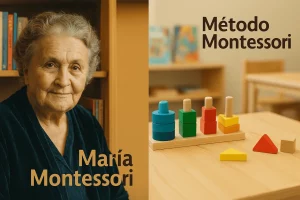
Lastly, don’t forget to check out recent articles such as exploring Discovering Maria Montessori, and Montessori Pedagogy for deeper insights into this enriching educational framework.