Searching for Montessori Education
In today’s world, parents and educators often find themselves asking where they can discover more about educacion montessori. Many start their search with phrases like “Montessori near me” or “Montessori school near me“, hoping to find local resources that align with their educational philosophy. To assist in this endeavor, our website includes a Montessori locator tool that can help families find schools and resources in their area, such as the examples provided.
The Home Environment
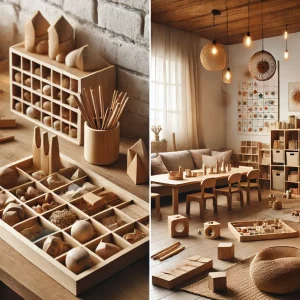
Creating a Montessori-inspired home is a practical way to introduce the philosophy into daily life. One of the core principles of Montessori education is fostering independence and self-directed learning. This can be effectively achieved through thoughtful organization and accessibility. For instance, parents might consider adapting their home environment by setting up a “Montessori-inspired kitchen space.” This can involve using lower shelves to store kitchen supplies, allowing young children to help with cooking or preparing meals.
Practical Examples at Home
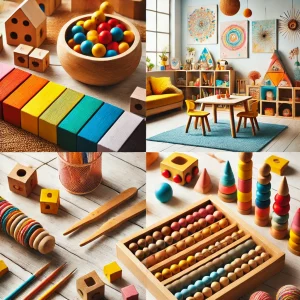
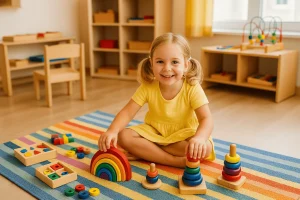
A family could create a small table at kid-height where children can set their own meals or prepare ingredients. Providing tools that are child-sized can empower children, enhancing their confidence and developing essential life skills. Additionally, organizing a dedicated play area with age-appropriate materials encourages creative play and exploration.
The Role of Routines
Establishing routines within a Montessori home is crucial. By allowing children to make their own choices about daily tasks, parents can facilitate learning through practice and repetition. For example, a family might encourage their child to choose their clothes for the day, promoting decision-making skills and a sense of ownership. This aligns wonderfully with the concept of introduction to Montessori pedagogy, which emphasizes autonomy in learning.
The School Environment
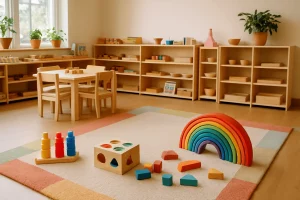
The structure of a Montessori classroom is specifically designed to support self-directed learning. The classroom is divided into distinct areas, each dedicated to different subjects such as art, science, and practical life skills. Teachers play a crucial role in this environment as guides rather than traditional instructors. They observe children’s interests and facilitate learning by presenting materials at opportune moments.
Adapting the Classroom for Independence
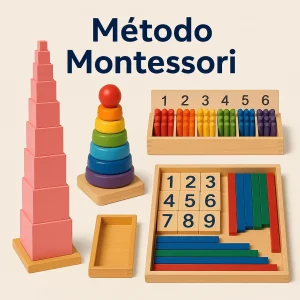
For example, a teacher may adapt classroom shelves to promote independence by ensuring that all materials are accessible. If a child is interested in mathematics, the teacher might provide various materials that stimulate exploration of mathematical concepts. In this way, children can pursue subjects that fascinate them without waiting for instruction, thereby engaging more deeply with the material.
Encouraging Self-Regulation
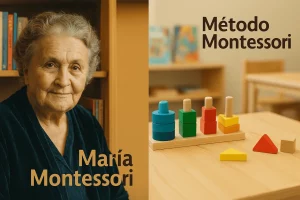
An essential aspect of the Montessori method is encouraging self-regulation among students. A student may benefit from a dedicated ‘calm corner’ equipped with tools for meditation, breathing exercises, or sensory activities. Following María Montessori’s vision, fostering emotional intelligence and self-regulation enables children to thrive academically and socially.
Emotional Development
Emotional development is paramount in Montessori education, allowing children to understand and express their feelings in a healthy way. Within a Montessori setting, the focus is on collaboration and conflict resolution rather than competition. Children learn to communicate their needs and concerns while developing empathy for their peers.
Building Empathy Through Collaboration
For instance, in a mixed-age classroom, younger children often look up to older students, learning from their actions and words. This natural mentoring relationship fosters empathy and enhances the emotional environment of the classroom. By collaborating on projects or activities, children can develop teamwork and mutual respect. Ensure to explore our comprehensive guide to Montessori education for more insights on how emotional development can thrive in a Montessori setting.
Supporting Emotional Intelligence
Additionally, educators can support emotional intelligence by providing discussions around feelings and social skills. A teacher might read a story about emotions and then lead a circle time, encouraging children to discuss how they feel during various parts of the tale. These activities enhance self-awareness and allow children to navigate their feelings effectively.
Conclusion
In conclusion, parents and educators interested in educacion montessori have countless opportunities to incorporate this transformative educational approach into both home and school settings. Making simple adaptations in the environment, fostering independence, and promoting emotional growth are essential pillars of Montessori education.
For those seeking more information, explore our guía completa sobre la pedagogía Montessori. You can also visit the Montessori Maria platform and its AI assistant MarÍA for personalized recommendations and insights. Together, let’s facilitate an enriching and fulfilling learning experience for our children.
Further Reading
If you’re eager to learn more about the Montessori method and how it can benefit your family or classroom, here are some additional articles that may interest you: