Introduction to Montessori Education
Parents and educators are increasingly searching for engaging educational methods for their children. Phrases like “Montessori near me” or “Montessori school near me” pop up in search engines as families seek to uncover the unique benefits of Montessori education. With a philosophy that emphasizes independence, respect, and the natural development of children, it’s no wonder that many are drawn to this approach. To assist parents in finding local Montessori resources, our website offers a handy Montessori locator tool, featuring examples like Montessori near me and Montessori school near me.
Creating a Montessori Home Environment
The journey into Montessori education can begin right at home. By creating a Montessori-inspired environment, parents can foster independence and encourage children to take responsibility for their surroundings. One practical example is establishing a Montessori-inspired kitchen space where children can participate in meal preparation. This could include child-sized utensils, accessible ingredients, and a low countertop. Children learn valuable life skills while feeling empowered.
Adapting Spaces for Independence
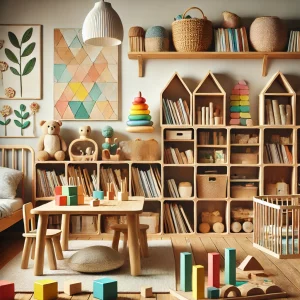
An essential aspect of Montessori education is providing opportunities for independence. In the home environment, parents can adapt spaces to cultivate this. For instance, consider adjusting the height of shelves to be within the child’s reach. A simple wooden shelf filled with books and toys can allow a child to select their play materials independently. One parent’s account describes how they created a reading nook with child-friendly furniture where their child feels confident to choose books that interest them, promoting not only reading skills but also decision-making abilities.
Utilizing Montessori Principles in the School Environment
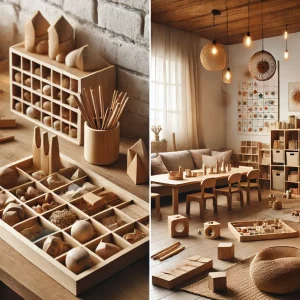
In a school environment, Montessori principles are translated into an interactive and child-centered learning experience. Each classroom is typically rich with resources, allowing children to explore various subjects at their own pace. For educators, adapting materials is critical to addressing the diverse needs of students.
Encouraging Self-Regulation
A fundamental principle of Montessori education is self-regulation. In classrooms, teachers can model this by providing lessons on breathing exercises or setting up “calm corners” for students to regroup when overwhelmed. For instance, one teacher shared her experience of having a quiet space filled with soft cushions and calming visuals, where students could retreat when they felt stressed. By giving children these tools, they learn to manage their emotions and develop resilience.
Emotional Development Through Montessori Practices
Developing emotional intelligence is a significant focus in Montessori education. Using specific strategies, parents and educators can foster this development, aiding children in forming healthy relationships with their emotions and peers.
Building Community and Empathy
In a Montessori classroom, older students often mentor younger peers, creating a sense of community. This practice not only enhances leadership skills but also cultivates empathy and understanding. Through these relationships, children learn to support each other, enhancing their emotional development. One educator recounted how mentoring a younger student helped her own student develop patience and communication skills, demonstrating the profound impacts of such peer interactions.
Practicing Conflict Resolution
Another important aspect of emotional development in a Montessori environment is practicing conflict resolution. In Montessori classrooms, children are encouraged to express their feelings and work through disagreements using collaborative dialogue. For example, when two students have a disagreement, a teacher might guide them through expressing their feelings and brainstorming solutions together. This not only resolves conflicts but also nurtures emotional literacy.
Enhancing the Montessori Experience
The integration of Montessori principles both at home and in school creates a well-rounded educational approach. Families seeking a broader understanding of this methodology should explore resources such as our comprehensive guide on Montessori pedagogy and our introduction to Montessori pedagogy.
The Role of Technology in Montessori Education
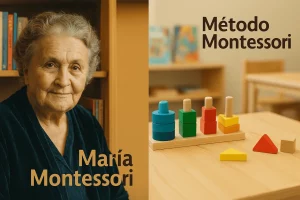
With the evolution of technology, resources like the Montessori Maria platform and its AI assistant MarÍA are emerging to support parents and educators in their Montessori journey. This tool provides a wealth of information and personalized resources beneficial for enhancing both home and school environments. Additionally, utilizing online platforms can help in locating educational resources nearby.
Conclusion
In conclusion, Montessori education is an enriching approach that deeply benefits children’s emotional, social, and cognitive development. It invites parents and educators alike to create environments that foster independence and self-regulation. By taking actionable steps in both home and school environments, we can support our children’s growth in profound ways. For more insights and resources, check our recent posts like Understanding the Montessori Method, Understanding Maria Montessori, Understanding Montessori: A Guide for Parents, Understanding Montessori Pedagogy, and A Comprehensive Guide to Montessori Education.