Introduction to Montessori Education
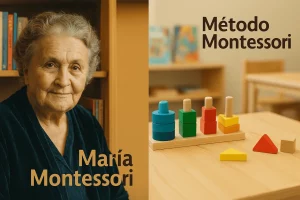
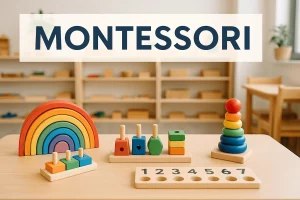
As parents and educators strive to provide the best for children, many find themselves searching for “Montessori near me” or “Montessori school near me” to gain insight into this child-centered educational approach. Montessori education, rooted in the philosophies of María Montessori, emphasizes independence, hands-on learning, and respect for a child’s natural psychological development. For guidance, our website offers a Montessori locator tool that provides valuable resources for families, including examples like Montessori near me and Montessori school near me.
Creating a Montessori Home Environment
A Montessori-inspired home environment encourages independence and learning. Parents can create spaces that promote autonomy and skill-building from a young age. For instance, transforming a kitchen into a Montessori-inspired area helps children engage in everyday tasks like cooking and cleaning, fostering responsibility and self-sufficiency.
Example: Montessori-Inspired Kitchen
Imagine a family who decided to curate their kitchen for their young child’s needs. They placed child-sized utensils and dishes at lower shelves, allowing their child to help with meal preparations. This not only makes the child feel included but also encourages practical life skills. A child engaged in these activities gains confidence, experiences success, and learns valuable lessons about food and nutrition.
Preparing the School Environment
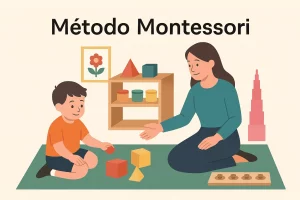
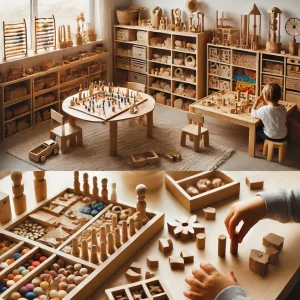
In a Montessori school environment, the arrangement of materials plays a crucial role in fostering a child’s independence. Teachers adapt their classrooms to ensure that children can freely access learning materials and engage in self-directed activities. This thoughtful setup motivates children to explore at their own pace.
Example: Classroom Setup for Independence
Consider a Montessori teacher who regularly assesses the classroom layout to meet the evolving needs of her students. By placing shelves within easy reach and organizing materials by subject area, she empowers her students to choose activities that interest them. This not only cultivates a love for learning but also encourages children to develop decision-making skills.
Fostering Emotional Development
Montessori education is not just about academic knowledge; it plays a significant role in emotional growth. Children learn to regulate their emotions and develop empathy through structured interactions and meaningful social activities.
Example: Developing Self-Regulation Skills
In a Montessori classroom, a child may encounter a conflict with a peer during a group project. Instead of intervening immediately, the teacher guides the children to resolve their disagreement. This approach enables the child to practice conflict resolution, self-regulation, and builds interpersonal skills that are essential for life outside the classroom. The nurturing environment of Montessori education aids in shaping well-rounded individuals.
Conclusion: Embracing Montessori for Lifelong Learning
Incorporating Montessori principles at home and in the classroom is a powerful way to lay a foundation for lifelong learning and emotional intelligence. By understanding the key aspects of Montessori education, parents and educators can provide enriching experiences that nurture children’s overall development. For a more in-depth exploration, consider reading our guía completa sobre la pedagogía Montessori and our introducción a la pedagogía Montessori.
To discover more resources tailored for parents and educators, visit the Montessori Maria platform and its AI assistant MarÍA. The platform offers numerous articles and tools including Understanding María Montessori: A Guide for Parents and Educators, A Parent’s Guide to Transforming Your Child’s Learning Experience, Exploring Montessori Pedagogy, and A Comprehensive Guide to Montessori Education for Parents and Educators. For further insights, check out Understanding Maria Montessori: A Comprehensive Guide.