Introduction to Montessori Education
As parents and educators around the globe search for educational solutions that align with their values, many find themselves typing phrases like “Montessori near me” or “Montessori school near me” into their search engines. This quest for guidance highlights a growing interest in Montessori education, which emphasizes child-led learning, independence, and emotional development. Our website offers a helpful Montessori locator tool to assist you in finding local Montessori environments. For instance, if you’re in Terni, Umbria, you can explore options through this Montessori school near me link.
The Home Environment
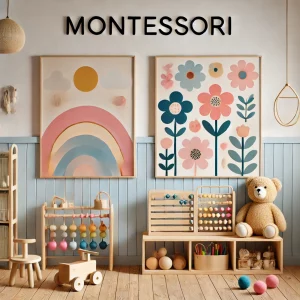
Creating a Montessori-inspired home can significantly enhance your child’s learning and independence. The key is to provide a prepared environment that promotes free exploration and learning. This includes designing spaces that are accessible and inviting for children.
Setting Up Montessori Spaces
Consider transforming your kitchen into a Montessori-inspired space. You can create a low shelf for your child to access age-appropriate kitchen tools. For instance, placing a small set of wooden utensils, a child-sized cutting board, and a bowl at their height encourages them to engage in simple cooking tasks. This not only builds self-confidence but also fosters a sense of responsibility for their surroundings.
Independence Through Accessibility
An essential aspect of Montessori education is fostering independence. A practical example can be observed in a child’s bedroom. By arranging their clothes in a way that they can choose their outfit each morning, you empower them to make decisions. This setup dramatically encourages confidence in their choices and promotes an understanding of organization. For more detailed guidance on how to implement these principles, refer to our guía completa sobre la pedagogía Montessori.
Montessori Principles in Family Life
Engagement in family activities can also reflect Montessori principles. Involve your children in daily tasks such as gardening or cleaning. For instance, giving them responsibilities like watering plants or setting the table helps them understand their contribution to the family unit. These practices align with the idea that learning is a part of everyday life and not confined to a classroom.
The School Environment
The Montessori classroom is distinctly different from traditional setups. It is designed to foster collaboration, creativity, and self-directed learning. Here, multi-age groupings allow younger children to learn from older peers while offering older students opportunities to develop leadership skills.
Material Adaptation for Learning
Teachers play a crucial role in a Montessori environment. One practical example is a teacher adapting classroom shelves to enhance independence. By placing materials within easy reach and categorizing them neatly, students can choose their work and return materials when finished, promoting responsibility. This intentional setup nurtures a sense of order and independence, as children learn to regulate their play and work cycles.
Embracing Self-Regulation and Emotional Development
Montessori education places significant emphasis on emotional development and self-regulation. For instance, within the classroom, you might find a calming corner where children can go to take a break when feeling overwhelmed. This space allows them to learn about their emotions and experience techniques for self-soothing. Such practices facilitate emotional intelligence and resilience.
Emotional Development
Emotional development is intrinsic to the Montessori philosophy. Children are encouraged to express their feelings and learn to navigate social interactions calmly and respectfully.
Cultivating a Sense of Community
A substantial aspect of emotional growth occurs through collaboration and community participation in a Montessori classroom. Students are often found working on group projects or engaging in peer teaching. For example, a child might help a peer understand a math concept, which fosters empathy and enhances communication skills.
The Role of Reflection in Learning
Another important practice within the Montessori framework involves encouraging children to reflect on their actions and feelings. Regular discussions about what they learned or how they interacted with peers can help solidify their understanding of relationships and emotions. This reflection nurtures critical thinking and enables them to build stronger connections with their classmates.
Conclusion: Embracing Montessori in Everyday Life
Montessori education offers a transformative approach that extends beyond the walls of the classroom. For parents and educators interested in pursuing this path, the Montessori Maria platform and its AI assistant MarÍA provides abundant resources, insights, and support. Whether you are searching for a local Montessori school or seeking ways to implement these principles in your home, embracing the Montessori philosophy can foster a richer, more independent learning experience for your child.
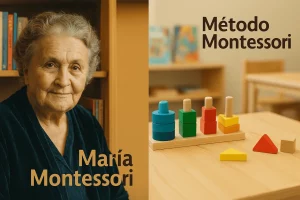
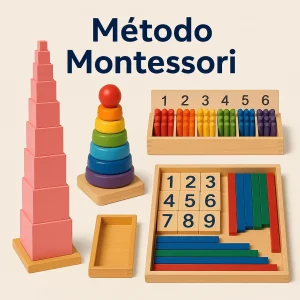
To explore additional resources and articles, visit our site and read about topics such as Understanding the Montessori Method, Understanding Maria Montessori, and Discovering Montessori. For a thorough overview, delve into our Comprehensive Guide to Montessori Education.