The Search for Montessori Education
In today’s fast-paced world, parents are increasingly interested in alternative educational methods, and Montessori education stands out as a popular choice. Many parents globally type phrases such as “Montessori near me” or “Montessori school near me” into search engines, seeking the best resources for their children. Our website features a dedicated Montessori locator tool designed to help you find nearby institutions and programs that embrace the Montessori philosophy.
Creating a Montessori Home Environment
Montessori education begins at home. Parents can create a nurturing environment that fosters independence and curiosity in their children. One way to achieve this is by transforming everyday spaces. For instance, a family might design a Montessori-inspired kitchen. This could include lower shelving where children can easily access utensils, plates, and ingredients, allowing them to take part in meal preparations. This hands-on involvement not only instills a sense of responsibility but also reinforces practical life skills.
Encouraging Independence
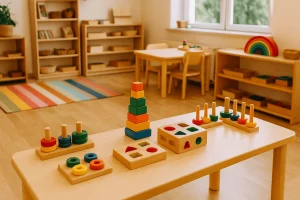
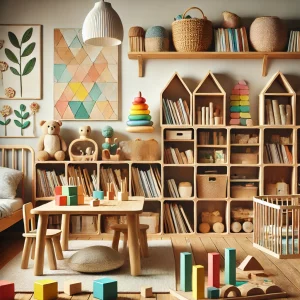
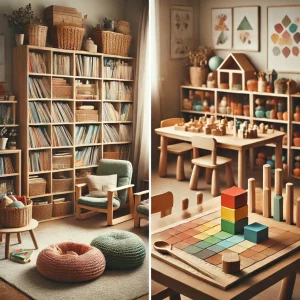
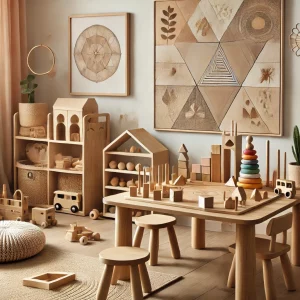
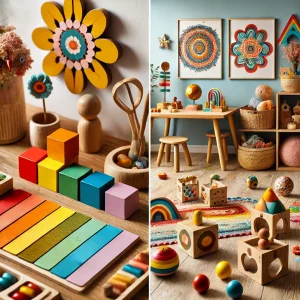
Independence is a cornerstone of the Montessori approach. A great example of this might be observed in a family setting up a classroom-like area in their living room. The area could feature child-sized furniture and materials neatly organized on accessible shelves. Every item should be inviting and suited to the child’s interests, fostering confidence as they choose activities based on their own preferences. This setup encourages children to engage in self-directed learning from an early age, essential for their development.
The Montessori School Environment
In a Montessori school setting, such as those you can find through our locator tool, classrooms are designed to enhance cognitive and social development. Educators play a pivotal role by carefully adapting the learning environment to stimulate curiosity. This can be seen when a teacher modifies available resources, ensuring they are relevant and engaging, thereby catering to each child’s unique learning journey.
Examples of The Montessori Classroom
In a typical Montessori classroom, you might find a teacher who rotates materials on the shelves weekly to capture students’ interest. For instance, if a child shows fascination with marine life, the teacher may then provide books, puzzles, and activities related to oceans and sea creatures. This tailored approach aligns with individual interests, ensuring children are deeply engaged and motivated to learn. Schools that successfully implement such strategies can be found through our Montessori locator tool.
Fostering Emotional Development
Emotional intelligence plays a crucial role in a child’s overall development. Montessori education emphasizes creating an environment dedicated to social and emotional growth alongside academic achievements. Teachers are trained to observe and understand children’s emotional and social needs, facilitating a supportive atmosphere. When conflicts arise during play, instructors guide students in resolving disputes by encouraging communication and empathy.
Self-Regulation in Action
A powerful example of developing self-regulation is found in how teachers respond to disagreements. Instead of stepping in immediately, they encourage children to articulate their feelings and negotiate solutions, fostering a sense of agency and emotional awareness. This method is impactful; students learn to navigate their emotions and build strong interpersonal skills, essential for their future endeavors.
Resources for Montessori Education
For parents seeking to learn more about Montessori education, various resources are available. If you’re looking for a comprehensive overview, consider reading our guía completa sobre la pedagogía Montessori. This guide will provide you with deeper insights into this transformative approach to education.
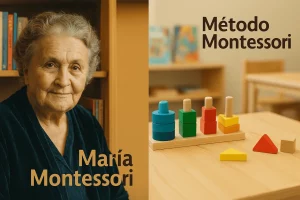
Additionally, understanding Maria Montessori’s philosophy is essential for anyone involved in or considering the method. You can explore further through our article that provides an introducción a la pedagogía Montessori, which is beneficial for both parents and educators looking to adopt these principles.
Conclusion
In summary, Montessori education offers a unique and enriching approach to learning that can benefit both children at home and in school. By fostering environments that encourage independence, emotional growth, and self-directed learning, parents and educators can work together to create well-rounded and confident individuals ready to thrive. To explore more about how to implement Montessori methods or find suitable schools, visit the Montessori Maria platform and its AI assistant MarÍA for personalized guidance throughout your Montessori journey.
For more insights and articles, feel free to check out the following links: Understanding the Montessori Method, Understanding Maria Montessori, A Complete Guide to Montessori for Parents, Exploring Montessori Pedagogy, Understanding Montessori Education.