Introduction to Montessori Education
As parents and educators around the world seek the most suitable learning environment for children, phrases like “Montessori near me” and “Montessori school near me” have become incredibly common. This reflects a growing interest in Montessori principles that foster independence, curiosity, and an intrinsic love for learning. For anyone exploring this educational philosophy, our website offers a comprehensive guía completa sobre la pedagogía Montessori. In this article, we will delve into the crucial aspects of creating a Montessori experience both at home and in the classroom, while emphasizing children’s emotional development along the way.
Creating a Montessori Home Environment
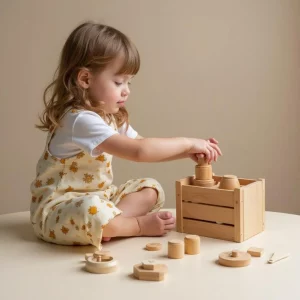
A Montessori-inspired home is tailored to support a child’s autonomy. One simple yet effective way to do this is by designing a Montessori-inspired kitchen space where children can safely prepare meals and snacks. Imagine a small table set with child-sized utensils and bowls, enabling your child to participate in cooking. This not only fosters independence but also promotes practical life skills.
Adapting Spaces for Independence
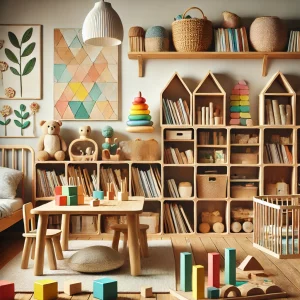
A great example of fostering independence in a home environment can be seen when parents adapt shelving to make materials accessible. For instance, a low shelf filled with books and activities enables children to choose what they want to engage with. Children learn to select activities that interest them, enhancing their decision-making skills. This setup echoes the philosophy espoused by María Montessori who believed in providing environments that encourage personal responsibility.
The Montessori School Environment
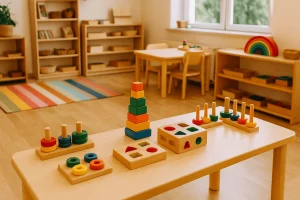
In a Montessori school environment, teachers are facilitators of learning, guiding children to explore subjects at their own pace. Classrooms are typically organized into areas that reflect specific developmental needs, including practical life, sensorial, mathematics, language, and cultural studies. This structured environment allows students to follow their interests and learn through exploration.
Teacher Adaptations for Learning
For example, consider a teacher who adapts classroom shelves to include various math materials such as beads, counters, and shapes. This setup encourages students to independently explore mathematical concepts through tactile experiences rather than purely theoretical models. As children interact with the materials and solve problems, they build a solid foundation in mathematics.
Support for Emotional Development
Emotional development is a crucial aspect of Montessori education, where children learn to express their feelings and develop self-regulation. An intentional approach to establishing emotional intelligence is integrated throughout both home and school environments.
Benefits of Self-Regulation
Imagine a classroom where a child becomes frustrated with a challenge. Instead of being reprimanded, they are given tools for self-regulation, such as breathing exercises or the opportunity to take a break. This strategy supports children in recognizing their emotions and teaches them how to control their responses, something vital in today’s fast-paced world.
Implementing Montessori Parenting Principles
Montessori principles can also be seamlessly integrated into everyday parenting. One key aspect involves encouraging children to contribute to household activities, which enhances their sense of belonging and self-esteem. For instance, children can help fold laundry or set the table, tasks which may seem simple, but profoundly impact their sense of responsibility.
Creation of a Montessori-Nurtured Child
Creating such opportunities at home resonates with the Montessori vision of nurturing autonomous learners prepared to face the world. Furthermore, learning about the basics of Montessori can be enhanced through comprehensive resources available on platforms like Montessori Maria where you can access a plethora of articles, including an in-depth guide to Montessori for further learning.
Conclusion: The Path Forward
For parents and educators interested in embracing Montessori education, it is vital to remember that this is a journey that requires persistence and adaptation. Whether you are setting up a Montessori school near you or restructuring your home environment, every step towards implementing Montessori ideas is a step towards cultivating independent, self-regulated learners. We highly recommend exploring the Montessori Maria platform and its AI assistant MarÍA for personalized advice and guidance in your educational journey.
As you continue to seek out resources, don’t forget to check our articles on topics related to the understanding of María Montessori or explore more on the in-depth guide to Montessori for parents. With the right resources and mindset, you can create a nurturing environment that aligns with the principles of Montessori education.