The Growing Interest in Montessori Education
In recent years, many families have turned to the internet with curiosity about Montessori education. Searching phrases like “Montessori near me” or “Montessori school near me”, parents are eager to discover how this unique approach can benefit their children’s learning experiences. Luckily, our website offers an extensive search and guide section to help families find Montessori-inspired learning environments around the world, including local schools and resources that align with Montessori principles.
A Brief Overview of Montessori Education
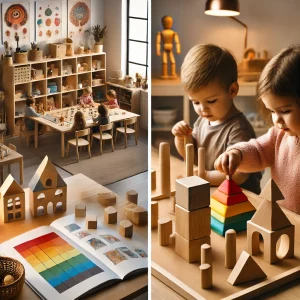
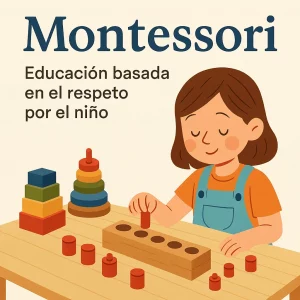
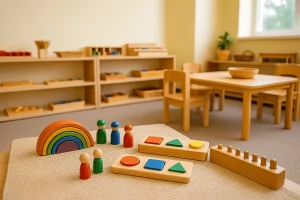
So, what exactly is Montessori? Developed by María Montessori in the early 1900s, this educational method emphasizes independence, hands-on learning, and respect for a child’s natural psychological, physical, and social development. Unlike traditional education that often follows a one-size-fits-all approach, Montessori nurtures children’s innate desire to learn through a carefully prepared environment and thoughtfully designed materials.
What Makes Montessori Unique?
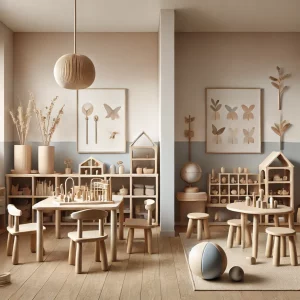
The fundamental principle of Montessori is that children learn best when they are free to explore and discover at their own pace within a supportive environment. This is achieved through mixed-age classrooms, where older children mentor younger ones, and through a curriculum that encourages self-directed learning. The método Montessori is designed to cater to each child’s individual interests, promoting a love for learning that can last a lifetime.
Real-Life Situation: Discovering Montessori at Home
To illustrate the practical application of Montessori principles, let’s take a look at the Roberts family. Faced with their five-year-old son, Charlie, struggling to engage with traditional learning materials, Sarah and James decided to explore Montessori methods at home. They began by creating a designated learning space where Charlie could choose activities based on his interests.
They set up different areas with materials that sparked his curiosity—a simple art station with paints and canvases, a nature corner with plants and bug-catching equipment, and a small library of books that reflected topics he loved. This new setup allowed Charlie to channel his energy into learning on his own terms, and soon, Sarah noticed a transformation in his enthusiasm for acquiring new skills. Not only did his independence flourish, but so did their bond as a family, as they participated in his discoveries together.
Empowering Independence through Montessori
Independence is a cornerstone of Montessori education. It encourages children to find solutions to problems and develop confidence in their abilities. For instance, if a child is struggling with dressing themselves, a Montessori approach would suggest allowing them to choose their clothing, engage with the process, and learn through trial and error rather than stepping in to assist immediately. This empowers children to develop self-sufficiency, which will serve them throughout their lives.
Exploring Montessori Schools
As parents, when considering education options, locating a suitable Montessori school can be an exciting journey. Each school may incorporate Montessori principles differently, so visiting multiple options and observing how they implement the pedagogía Montessori can provide valuable insights. Engaging with teachers and staff and asking questions about the school’s philosophy and practices will help families find a nurturing environment that aligns with their values.
Finding the Right Fit
It’s essential to explore schools near you, as options may vary widely even within the same city. Our website includes an AI assistant named MarÍA, trained specifically in Montessori methodology, which can guide you in making well-informed choices regarding your child’s education. For personalized recommendations, visit the Montessori Maria website to interact with MarÍA for answers to your questions and insights tailored to your family’s needs.
The Benefits of Montessori for Different Age Groups
Montessori education offers unique benefits for various age groups, from infants to adolescents. For younger children, the focus is often on sensory exploration and fine motor skills through engaging activities using practical life materials. As children grow, the curriculum shifts to encourage deeper cognitive development and social interactions.
For example, while a toddler might learn to sort objects or pour water, a six-year-old might be introduced to early literacy activities or begin working on group projects. This progressive structure ensures that children are always challenged appropriately, promoting a growth mindset—an essential trait for lifelong learners.
Real-Life Application: A Parent’s Perspective
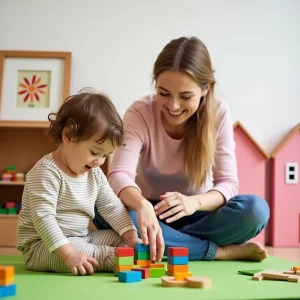
Consider a family with two children—Lucy, 3, and Ben, 8. Lucy thrives in her Montessori toddler program, where she enjoys manipulating colorful, tactile learning materials that enhance her motor skills. Her parents notice her growing confidence as she independently chooses her daily activities. Meanwhile, Ben, who has recently transitioned to a Montessori elementary school, finds that he appreciates the freedom to explore subjects more deeply and is engaged in projects like building a model solar system. The Montessori approach has created a harmonious learning landscape for both siblings, accommodating their distinct needs and interests while fostering their independence.
The Role of Parents in the Montessori Environment
As parents, your role in a Montessori setting is to support your child’s autonomy and encourage exploration. Providing a prepared environment at home can enhance what they learn at school. Creating consistent routines, offering choices in their daily activities, and encouraging them to help with household chores can greatly contribute to their overall development.
Remember, Montessori isn’t just a teaching method; it’s a lifestyle that values respect, nurture, and encouragement. By embodying these principles in your home, you’ll reinforce the ideals that your child learns in their Montessori school, creating a cohesive learning experience.
Continuing the Journey with Montessori
To dig deeper into Montessori as a parent, consider exploring resources available online. Our website includes guides for parents and educators that illustrate how you can incorporate Montessori methodologies into everyday life effectively. Additionally, reading about the rich history and foundational philosophies behind María Montessori’s legacy can greatly enhance your understanding and appreciation for this transformative approach.
Conclusion: Finding Montessori Education for Your Family
In conclusion, embracing the Montessori philosophy offers parents and children a unique opportunity to foster a nurturing, engaging, and independent learning environment. Whether you are searching for a Montessori school near you or hoping to illuminate your home with Montessori practices, our team is here to help guide you. By exploring the resources at the Montessori Maria website, you’ll be well-equipped to help your child thrive.