The Montessori Approach: An Overview
As parents explore various educational philosophies for their children, many find themselves searching online for phrases like “Montessori near me” or “Montessori school near me.” These queries reflect a growing interest in a method that emphasizes child-led learning and independence. If you’re one of those parents, you’ve landed in the right place! Our website offers a helpful search and guide section that assists families in locating Montessori-inspired learning environments around the world.
What is Montessori?
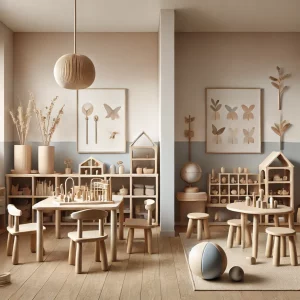
The Montessori method was developed by Dr. María Montessori, whose innovative techniques revolutionized traditional education. The pedagogía Montessori is designed to nurture a child’s natural desire to learn, allowing them to explore and develop at their own pace. In Montessori environments, materials are specifically designed to encourage exploration and learning through play.
A Parent’s Discovery of Montessori
Imagine a family, the Johnsons, who recently began their journey into the world of Montessori. Initially, they decided to try it at home after their five-year-old son, Alex, started exhibiting signs of frustration and resistance concerning independence. They often found themselves battling him over daily tasks, such as dressing himself or tidying up his toys. When Alex began to feel overwhelmed, his parents turned to Montessori principles for guidance.
After researching online, they encountered the Montessori Maria website. They also discovered that by incorporating Montessori strategies, Alex could gain confidence. They shifted from a directive approach to one that encouraged Alex’s autonomy. Rather than dressing him, they laid out clothes he could choose from, allowing him to feel empowered in his choices. The Johnsons’ home environment began to transform into a mini-Montessori classroom. The frustrations eased as they embraced the philosophy, encouraging independence without overwhelming Alex.
The Core Principles of Montessori
At the heart of the Montessori method lies a few key principles:
- Independence: Children are encouraged to take charge of their learning experiences.
- Respect for a Child’s Natural Development: The method emphasizes that children learn at their own pace and through their interests.
- Hands-On Learning: Montessori classrooms often include materials that children can manipulate to deepen their understanding.
Real-Life Examples of Montessori in Action
In another real-world scenario, the Hernandez family faced difficulties when their daughter, Sofia, began nursery school. She often cried and resisted going. Feeling uncertain, her parents searched for a solution and discovered a Montessori school nearby. Unlike traditional settings where children are often directed on what and how to learn, this Montessori environment allowed children to choose their activities according to their interests.
Sofia’s parents were relieved upon seeing her in school. Instead of strict routines, children engaged in meaningful work, from pouring activities to building with blocks. This hands-on experiential learning resonated with Sofia, and gradually her fears subsided. The Montessori approach enabled her to feel a sense of belonging and autonomy, pivotal for her emotional development.
How to Choose a Montessori School
When searching for a Montessori environment for your child, it’s crucial to understand their foundational principles. Look for schools that focus on:
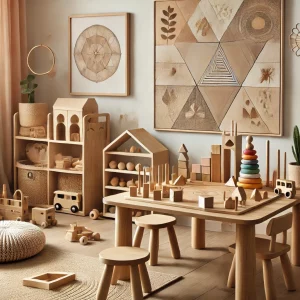
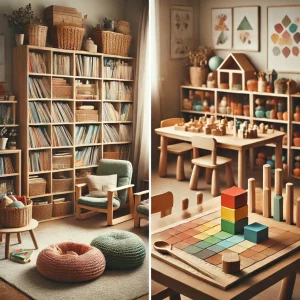
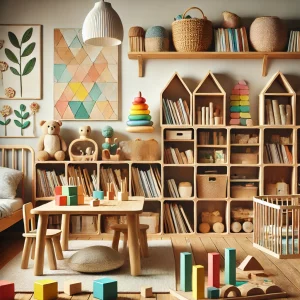
- A prepared environment that invites exploration
- Observation over direct instruction by teachers
- Teacher training and certifications in Montessori pedagogy
You can start your journey by visiting our Montessori near me page to find quality schools in your area.
Understanding Montessori Materials
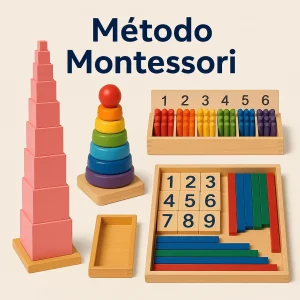
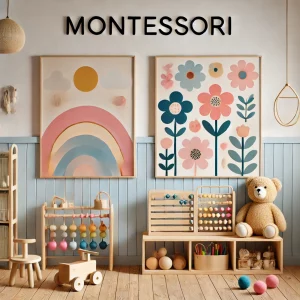
One of the fascinating aspects of Montessori is the use of specific learning materials designed to develop various skills. For instance, the pink tower teaches concepts of size and spatial relationships, while the sensor materials refine tactile senses through exploration. The right tools can spark a joy for learning, stimulating curiosity and engagement.
The Role of the Teacher in Montessori
In a Montessori classroom, teachers serve as guides rather than traditional instructors. They carefully observe children, noting interests and developmental stages. This observation allows them to tailor lessons that nurture each child’s growth. Parents often wonder, “How is this different from conventional education?” Well, in the Montessori method, learning is individualized, supporting children’s unique academic journeys.
Technology and Montessori
In today’s world, technology’s integration into education raises questions. Montessori philosophy encourages fewer screen-based activities to prioritize hands-on learning experiences. However, some modern Montessori programs thoughtfully incorporate technology, focusing on its role as a tool rather than the main attraction.
The Johnsons, inspired by their discoveries, began incorporating educational apps at home that aligned with Montessori principles. They found that using interactive learning technologies encouraged Alex’s independence while respecting his need for engagement. This balanced integration proved beneficial.
Support and Resources for Montessori Families
It can be overwhelming for parents to navigate the Montessori world alone. The Montessori Maria website offers resources, articles, and a community of parents who share their experiences and insights. If you have specific questions or need guidance, you can access MarÍA, our AI assistant trained in Montessori methodology, ready to assist you with information tailored to your needs!
Conclusion: Embracing Montessori at Home and Beyond
Montessori education isn’t just confined to the classroom; its principles can be seamlessly integrated into family life. By fostering independence, nurturing a child’s inherent curiosity, and surrounding them with thoughtfully curated environments, parents can apply Montessori principles in everyday situations. Remember to seek out resources and people sharing your love for this approach. Simply ask yourself, how can we incorporate the essence of Montessori in our lives today?
If you’re keen to know more, check out our latest articles, including Understanding Montessori Pedagogy and Embracing Montessori Education. Together, let’s explore the transformative power of Montessori education for our children!