Introduction to Montessori
In today’s digital age, many families find themselves searching online for phrases like “Montessori near me” or “Montessori school near me.” The quest for quality education that respects a child’s individuality can be daunting. Fortunately, our website offers a comprehensive search and guide section to locate Montessori-inspired learning environments around the world. If you’re curious about how to introduce Montessori principles into your life, feel free to check out our helpful tools, including Montessori near me.
Unpacking the Montessori Method
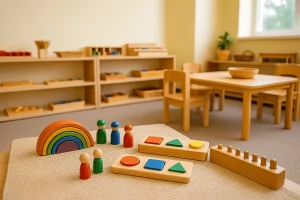
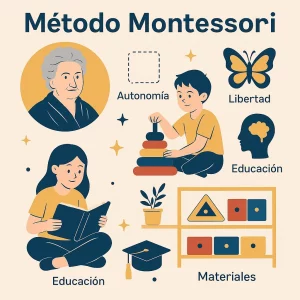
The roots of the Montessori method can be traced back to its founder, María Montessori. She believed that education should be a nurturing process that emphasizes respect for the child’s natural development. As she observed children in her first school, she noted that children thrive when they are given freedom within a structured environment. A key aspect of this is the prepared environment, which includes materials and activities that promote independence, creativity, and a love for learning.
The Importance of Environment
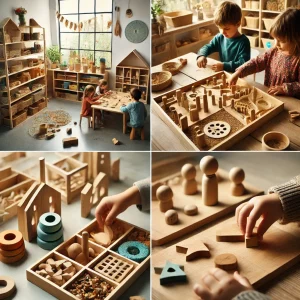
In Montessori education, the environment plays a significant role. For example, imagine a parent named Sarah who is overwhelmed by her toddler’s need for independence. Each time Sarah tries to help her son, he insists, “I can do it!” Inspired after finding understanding Montessori methodologies, Sarah decides to rearrange their living space. She creates a small kitchen area where her son can safely pour water, mix ingredients, and even use utensils. By setting up this environment, Sarah observed her son not only becoming more self-sufficient but also developing a sense of responsibility.
Real-life Application of Montessori
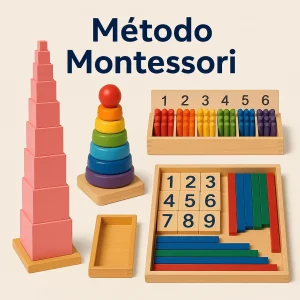
Another example involves a family new to Montessori education. The Johnsons were struggling with their daughter, Lily, who found it hard to adapt to structured schooling. They started exploring the Montessori method and realized they could apply its principles at home. They introduced Montessori materials like sorting games and sensory bins, offering Lily tactile experiences that captured her interest. As a result, Lily began to engage more deeply with learning activities, often asking if she could “work” with her materials.
How Does Montessori Help in Developing Independence?
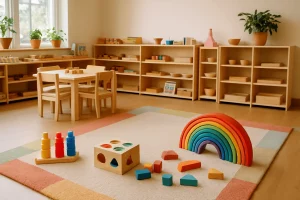
Central to the Montessori philosophy is the emphasis on fostering independence. Through Montessori activities, children learn to trust their instincts, make decisions, and solve problems on their own. The prepared environment helps eliminate unnecessary frustrations. For instance, a Montessori classroom often features child-sized furniture and tools, empowering children to carry out tasks independently. This helps break the dependency cycle, enabling them to approach challenges confidently.
The Role of the Educator
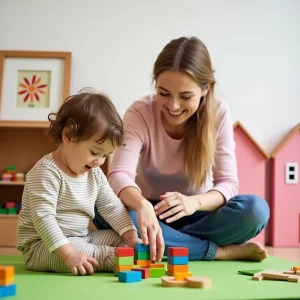
In a Montessori setting, teachers act as guides rather than traditional instructors. They observe the children and step in only when necessary, allowing the child to lead their own learning journey. This respect for the child’s pace can be liberating not just for the child, but for the entire family. Once again, the Johnsons found that their previous stress around homework melted away as they embraced this approach. They began to see Lily as an active participant in her learning rather than someone simply following instructions.
Understanding Montessori Pedagogy
The pedagogía Montessori is designed to nurture a child’s natural curiosity and passion for knowledge. Each educational activity is carefully tailored to meet various developmental stages, focusing on physical, emotional, and cognitive growth. This individualized approach benefits all types of learners, helping them to become confident, self-motivated, and socially aware individuals.
Integrating Montessori at Home
Parents looking to integrate Montessori at home often start by observing their children and understanding their interests. They might introduce simple activities, such as allowing their child to help with baking or gardening. Moreover, parents may want to explore more structured resources, such as workbooks or educational kits that align with Montessori principles. You can find numerous articles like Montessori pedagogy to get further insights on how to create that nurturing environment.
Cuing Family Resources and Support
Not all families may have access to a Montessori school nearby. That’s where resources like our AI assistant, MarÍA, come into play. This friendly guide, specifically trained in Montessori methodology, can be accessed on the Montessori Maria website. MarÍA can provide answers, suggest activities, or help parents find local resources to support family endeavors in introducing Montessori principles.
Finding the Right Montessori Environment
Whether you are seeking a Montessori school for your child or looking to set up a Montessori-inspired learning environment at home, it’s essential to align your values with the approaches taken by the institution. Many families utilize our Montessori near me tool to find schools that resonate with their educational philosophy and desires for their children.
Conclusion: The Journey Towards a Montessori Lifestyle
Undertaking the journey towards a Montessori lifestyle can be incredibly rewarding. It encourages children to cultivate a love for learning while fostering independence and resilience. As you begin to search for local Montessori options or implement principles at home, remember that the process is as important as the destination. Every small step counts, and with the right guidance and resources, you will be amazed by the growth you will witness in your child.
Stay Informed and Inspired
For more information on the Montessori approach and additional resources, feel free to browse through our recent articles. You might find valuable insights in pieces like Exploring the World of María Montessori and Understanding Montessori Pedagogy. Embrace this exciting journey and cherish the moments of discovery and growth that await your family!