Introduction: The Search for Montessori
In today’s digital age, many families are eager to provide their children with the best possible educational experience. It’s common for parents to search online with phrases like “Montessori near me” or “Montessori school near me.” These terms reflect a growing interest in Montessori education, which emphasizes independence, respect, and hands-on learning. To help families locate Montessori-inspired learning opportunities around the world, our website offers a comprehensive guide, featuring resources to help you find Montessori schools and activities in your area, such as the Montessori school in Terni, Umbria.
What is Montessori Education?
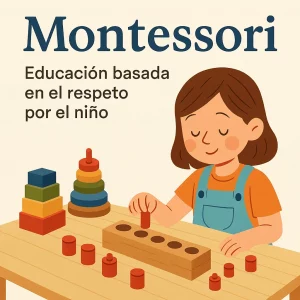
At its core, the Montessori method was founded by Dr. María Montessori, an Italian physician and educator, in the early 20th century. With a profound understanding of child development, she created an educational framework that allows children to learn at their own pace, fostering a sense of curiosity and independence. Montessori education encourages children to engage in self-directed learning with hands-on activities and collaborative play, which promotes a love for learning that lasts a lifetime.
The Montessori Method in Practice
When families first discover Montessori, it can feel like a breath of fresh air. For instance, the Johnson family was struggling with their son, Ethan, who was constantly frustrated with traditional learning methods. While researching alternatives, they stumbled upon Montessori. Intrigued by its principles, they began incorporating Montessori practices at home, providing Ethan with materials that catered to his interests and allowing him to choose activities that captivated him. This newfound independence not only reduced Ethan’s frustration but also nurtured his love for learning.
A Closer Look at the Montessori Classroom
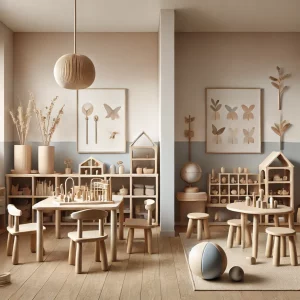
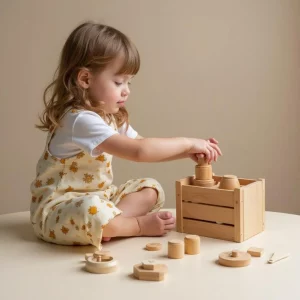
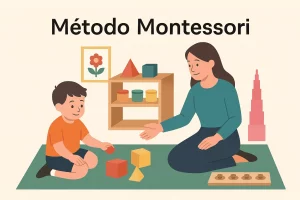
In a Montessori classroom, you’ll find a prepared environment, designed to encourage exploration. Children move freely between activities, which are often child-sized and inviting. This means that whether they’re pouring water, building with blocks, or exploring nature, they’re engaged in the process of learning through their own discovery. The role of the teacher shifts to that of a guide, supporting each child’s unique interests and helping them learn at their own pace. You can learn more about this transformative approach to education in our guide on Montessori pedagogy.
Building Independence Through Montessori
One of the most compelling aspects of the Montessori method is its focus on fostering independence. For example, Sarah, a mother of two, found herself overwhelmed when her daughter, Lily, began asserting her independence—often with tantrums. After researching Montessori, Sarah decided to implement its principles at home. She created a small kitchen area where Lily could prepare simple snacks, which not only satisfied Lily’s desires but also empowered her to make choices and develop skills.
Overcoming Common Parenting Challenges
Parents often grapple with challenges surrounding their children’s behavior and learning styles. The Montessori approach offers insights into these common issues. For instance, children who seem unmotivated or disengaged might be expressing a need to explore subjects that spark their interest. By respecting their choices and allowing them to lead their learning journey, parents can cultivate a positive educational experience.
Maria Montessori: The Pioneer of Child-Centered Education
To truly understand the Montessori approach, it’s essential to know more about its founder. Who was María Montessori? As a groundbreaking educator, she believed in the potential of every child and dedicated her life to studying education and child development. Her legacy continues to inspire educators and parents alike, making her an integral part of the conversation around modern pedagogy.
Implementing Montessori at Home
You don’t have to be a Montessori teacher to bring its principles into your home. Simple changes can make a significant impact. Consider creating a space where your child can access their learning materials independently. Using open shelves filled with engaging, age-appropriate activities can encourage exploration. Remember that the focus is on the process of learning, not just achieving an end result.
Engaging with Your Child’s Interests
Observe your child’s interests and provide materials related to them. If they love animals, create a corner with books, puzzles, and art supplies centered around wildlife. This aligns with the Montessori principle of learning being self-directed and driven by the child’s curiosity. Children thrive when they’re engaged, and by following their interests, you’re fostering a more enriching learning environment.
The Role of Social Interaction in Montessori Education
Montessori education doesn’t just focus on individual learning; it also nurtures social skills. In a Montessori classroom, children learn to collaborate with their peers, negotiate, and resolve conflicts. It’s an environment that allows them to learn from one another while developing essential life skills. Parents can replicate this at home by encouraging group activities or playdates, fostering teamwork and communication.
Using Technology Wisely in Montessori Environments
While Montessori emphasizes hands-on experience, technology plays a role in modern education. The key is to use it mindfully. Educational apps that promote problem-solving, creativity, and collaboration can be valuable tools. However, they should complement not replace traditional learning experiences. Engaging with your child about their screen time choices can help instill a sense of responsibility and self-control.
Creating a Montessori Community
Finding other like-minded families can enhance your Montessori journey. Engaging with a community can provide support and share resources. Whether through local meetups, online forums, or social media groups, connecting with other parents can lead to shared discoveries and valuable insights. Our Montessori near me section can help you locate resources and communities in your area.
The Future of Montessori Education
As more parents seek alternatives to traditional education, the Montessori method remains relevant. By focusing on holistic child development, fostering independence, and enhancing social skills, Montessori education offers a well-rounded approach to learning. Understanding the principles of the methodology allows parents to tailor their home environments to reflect the values of Montessori, which can lead to happier, more engaged children.
Conclusion: The Montessori Journey
Embarking on the Montessori path can be rewarding, both for parents and children. The journey is filled with discovery, empowerment, and joy. If you’re interested in learning more about how to navigate this educational landscape, our site features an AI assistant named MarÍA, designed specifically to provide guidance based on Montessori principles. Explore the Montessori Maria website for more information and resources. Your child’s educational adventure awaits!
Further Reading and Resources
If you want to delve deeper into Montessori education, consider exploring articles such as Understanding Montessori Pedagogy, Comprehensive Guide to Montessori Education, and Understanding Maria Montessori. These resources provide valuable insights and practical tips for integrating Montessori principles into everyday life.
Whether you are starting your Montessori journey or looking to enhance your understanding of this transformative approach, the world of Montessori is rich with opportunity. With the right resources and community support, you can create a nurturing environment that fosters your child’s love for learning.