What is Montessori?
Many families today are on the search for educational options that resonate with their parenting philosophies. As a result, phrases like “Montessori near me” and “Montessori school near me” have become increasingly popular online search queries. This is where the Montessori Maria website becomes an invaluable resource, featuring a search and guide section to help families locate Montessori-inspired learning environments throughout the world. If you’re curious about a Montessori school in your area, check out our Montessori near me directory for more information.
The Foundations of Montessori Education
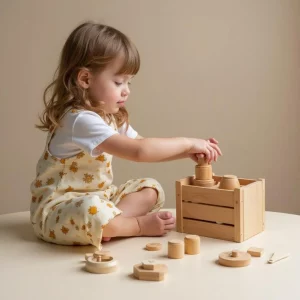
At its core, the Montessori method is centered around the understanding that children learn best in environments that promote independence, freedom within limits, and respect for a child’s natural psychological, physical, and social development. Developed by María Montessori, this educational approach emphasizes hands-on learning and collaborative play, allowing children to explore and engage with their surroundings at their own pace.
A Family’s Journey into Montessori
Consider a family named the Johnsons, who had been struggling with their five-year-old son, Tom, who seemed to resist independent tasks like dressing himself or tidying up his toys. Frustrated and feeling lost, they stumbled upon the Montessori philosophy, which led them to explore its core principles. They learned that the focus on fostering independence in Montessori education could offer solutions to their challenges.
With newfound inspiration, they implemented simple Montessori practices at home by creating a space where Tom could choose his own clothes and decide how to organize his toys. Over time, he became more confident and independent, showing a desire to tackle challenges instead of avoiding them. The change was remarkable, thanks to the seven guiding principles of Montessori, which they discovered were not limited to formal education settings.
How Does Montessori Work?
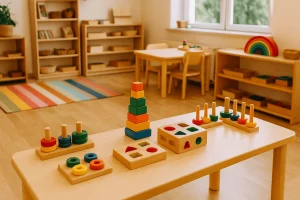
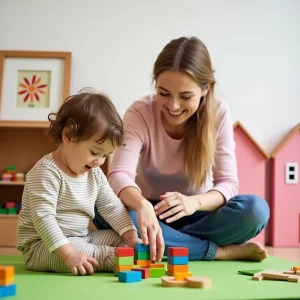
In a Montessori classroom, children are given the freedom to choose their work and are encouraged to explore activities that interest them. The role of the educator, often referred to as a “guide,” is to observe the children closely, understand their unique needs, and provide support and resources as necessary. This environment is designed to be culturally rich and stimulating, promoting real-world learning experiences.
Core Montessori Principles
1. Respect for the Child: Every child is seen as an individual with unique interests and capabilities.
2. Independence: Encouraging children to take initiative fosters self-sufficiency and confidence.
3. Hands-On Learning: Children learn best through interaction and exploration with their environment.
4. Mixed Age Classrooms: Children of different ages learn from one another, promoting community and leadership skills.
5. Learning at One’s Own Pace: Children are not rushed to meet arbitrary milestones. Instead, they progress through the curriculum as they master each concept.
6. Intrinsic Motivation: Montessori environments encourage children to be motivated from within rather than seeking external approval.
7. Real-World Skills: Activities aim to prepare children for the real world by incorporating practical life skills into their learning journey.
Implementing Montessori at Home
As the Johnsons became more familiar with the Montessori method, they realized that they could implement these principles beyond school settings. This led to the creation of a dedicated space in their home where Tom could freely engage with toys and learning materials. They introduced practical life activities like pouring, buttoning, and sweeping, which not only enhanced his motor skills but also gave him a sense of accomplishment.
Furthermore, the Johnson family joined local groups and workshops focused on parenting through the lens of Montessori education. They discovered valuable resources and support that deepened their understanding of pedagogía Montessori and how it could provide clarity in their parenting approach.
Real-Life Implications of Montessori Principles
Another family, the Martins, recently moved to a new city and were searching for a Montessori school. As they navigated this transition, they felt anxious about their three children adapting to new environments. Through a thorough search on the Montessori Maria website and the Montessori near me resource, they found a school that aligned with their values. This helped mitigate their stress and offered them reassurances of continuity for their children’s education.
At the school, the Martins discovered that their children thrived in an environment that prioritized self-directed learning. Their son turned out to be a natural leader, guiding younger peers, while their daughter developed a passion for gardening through hands-on activities. By embracing the método Montessori, the Martins witnessed a profound transformation in their children’s engagement and interest in learning.
Benefits of Montessori Education
Research in Montessori education supports numerous benefits. Studies indicate that children in Montessori schools tend to perform well academically, develop strong social skills, and exhibit creativity and critical thinking abilities. Children learn valuable collaboration and communication skills from working in mixed-age classrooms, where older children often assist younger ones, promoting kindness and respect among peers.
The Montessori Maria Website: Your Go-To Resource
For parents interested in exploring Montessori education further, the Montessori Maria website serves as a helpful hub. The site features an AI assistant named MarÍA, designed specifically to assist families in navigating Montessori principles and practices. Whether you are looking for tips on implementing Montessori at home or seeking local schools, MarÍA is there to guide you through the wealth of information available. You can explore resources at the Montessori Maria website today!
Frequently Asked Questions About Montessori
1. Is Montessori suitable for all children? Montessori education benefits various learning styles, focusing on individual strengths and interests.
2. How do I know if a Montessori school is right for my child? Visit the school, observe the classrooms, and speak with educators to find out if the environment aligns with your values.
3. What resources can I access for further learning? Parents can refer to our comprehensive guides such as the Comprehensive Guide to Montessori Education for Parents and Educators or the Understanding María Montessori guide for deeper insights into the method.
Conclusion
Montessori education offers a unique and enriching approach to learning that encourages independence, curiosity, and respect. As countless families like the Johnsons and the Martins have discovered, embarking on your Montessori journey can have profound impacts on both children and parents alike. If you’re interested in finding Montessori options near you or want to learn more, visit Montessori Maria for resources to guide you along the way!