What is Montessori?
In today’s fast-paced world, many parents find themselves searching online for educational options that align with their values and their children’s unique needs. Phrases like “Montessori near me” or “Montessori school near me” have become common as families look for learning environments that foster independence and inspire a love of learning. If you’re among those searching for the right educational path for your child, you might find that our Montessori near me guide is a valuable resource, helping you locate Montessori-inspired learning worldwide.
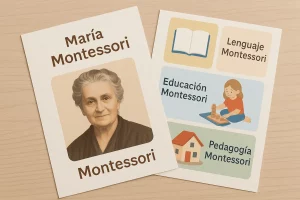
The Vision of María Montessori
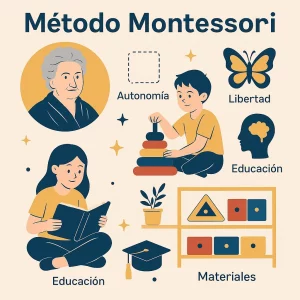
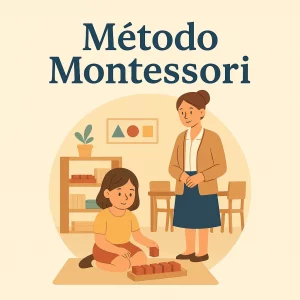
One of the pivotal figures in education, María Montessori developed a revolutionary approach to learning that emphasizes the natural curiosity of children. Her method, known as the método Montessori, is based on the observation that children learn best when they are allowed to explore their interests at their own pace in a prepared environment.
A Real-Life Example: Discovering Montessori at Home
Consider the Smith family, who stumbled upon Montessori principles while searching for ways to support their son, Lucas, who was resisting learning activities at home. Feeling overwhelmed by the traditional methods they had been using, they resisted the urges to force Lucas to focus on tasks that seemed tedious to him. Instead, they opted to explore Montessori strategies as they sought to help him develop his independence. They set up a simple learning area at home with accessible materials and let Lucas choose what he wanted to work on each day. Over time, they noticed Lucas beginning to engage more with his work, and his love of learning blossomed. By implementing pedagogía Montessori at home, they created an environment that spoke to his needs, resulting in a happy and motivated learner.
Understanding the Principles of Montessori
The essence of Montessori education lies in the belief that children are naturally eager for knowledge and capable of initiating their own learning process. When looking for a school, you may want to evaluate whether its curriculum reflects this belief. Montessori classrooms prioritize hands-on learning experiences and activities designed to help children develop crucial life skills.
Freedom within Limits
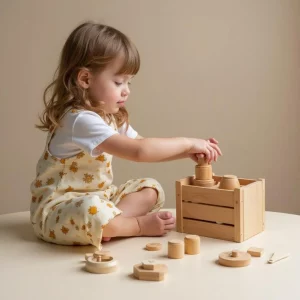
Freedom is central to the Montessori approach. Children are given the liberty to choose their activities, but this freedom is balanced by structure to help them understand the world around them. For example, a child may choose to work on a practical life activity, such as pouring water from one container to another, to develop coordination and concentration. Parents often find that providing their kids with a safe space to explore allows their natural inclinations to flourish.
Finding Montessori Options Near You
As you dive deeper into understanding the Montessori philosophy, your next step might be finding an appropriate learning environment for your child. Our Montessori near me section offers an array of resources to help parents locate Montessori schools or programs tailored to their geographical needs. For example, families residing in Terni, Italy, can check out our Montessori schools in Terni, where they encourage exploration and support children’s learning journeys.
A Parent’s Dialogue: Searching for Independence
Another family, the Johnsons, sought help through the Montessori framework when their daughter, Mia, faced challenges with independence. Mia often relied heavily on her parents for basic tasks, leading to frustration during daily routines. After learning about the Montessori method, they began integrating principles at home by offering Mia the choice to dress herself and make simple snacks. They discovered that by giving her the space to accomplish these tasks on her own, she blossomed into a more confident and self-sufficient child.
The Role of Prepared Environments in Montessori Education
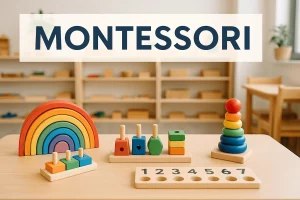
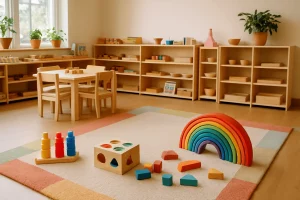
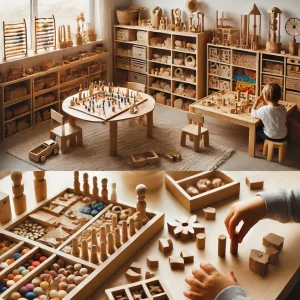
In Montessori classrooms, the environment is meticulously prepared to cater to the child’s developmental needs. It’s not just a space to learn; it’s a learning tool in itself. Shelves stocked with appropriately sized materials provide children with opportunities to engage in meaningful, self-directed work. This organized and clutter-free space becomes a stage for exploration and discovery, reinforcing the idea that education is all around us, waiting to be engaged with actively.
Benefits of Montessori Education
Research shows that Montessori students tend to be more creative, independent thinkers and exhibit higher levels of motivation and social skills compared to their traditional schooling counterparts. This is rooted in the philosophy that education should be tailored to fit each child’s individual abilities and interests. While some may still find it challenging to meet the traditional expectations of schooling, a Montessori approach allows children to thrive in their unique ways and at their own pace.
Supporting Montessori Principles at Home
Montessori education doesn’t have to be limited to school. It can be seamlessly integrated into everyday family life. Simple actions such as allowing children to help with meal preparations, set the table, or choose their clothes from a curated selection foster independence and confidence. The principles of the Montessori approach can be easily adapted at home, providing parents with tools to create supportive learning environments.
Challenges and Misconceptions
Although the Montessori method offers numerous benefits, there can be misconceptions about what it entails. Some parents believe that Montessori means a lack of structure or that it’s entirely child-led without any guidance. However, it’s crucial to realize that teachers serve not only as guides but as integral parts of the learning process. Parents may also worry about their children developing social skills in less structured environments. However, Montessori classrooms foster community and teamwork, and children are taught how to interact positively with their peers.
Finding Help with Montessori Resources
If you’re feeling overwhelmed with how to implement Montessori principles at home or need further guidance, our website features an AI assistant named MarÍA, who is trained specifically in Montessori methodology. This resource can provide useful tips and suggestions to help parents navigate their Montessori journey. You can visit the Montessori Maria website to learn more.
Continuing Your Montessori Journey
As you embark on this educational journey, remember that Montessori is not just a method used in classrooms; it’s a philosophy that recognizes the potential in every child. With resources available online, including a wealth of articles on understanding the Montessori education and the Montessori method, you’re not alone. Families have successfully embraced Montessori principles in various ways, and those successful stories inspire many more to join in.
Your Child’s Future Awaits
As you strive to align your educational choices with your family’s values, the Montessori method can be a transformative journey for both you and your child. By incorporating Montessori principles at home, exploring local resources such as schools and communities, and embracing the philosophy of independent learning, you can help create a nurturing environment where your child can develop not just academically, but also socially and emotionally. For more information and guidance on implementing Montessori in your everyday life, be sure to check out our latest articles and resources available on Montessori Maria’s website.