Introduction
In the quest for quality education, many families find themselves searching online for phrases like “Montessori near me” or “Montessori school near me.” This is a common theme among parents eager to provide the best learning environment for their children. If you’re one of those parents navigating this journey, you’re in luck! At the Montessori Maria website, we offer a helpful search and guide section to locate Montessori-inspired learning opportunities around the world. From traditional schools to home-based Montessori practices, we’ve got you covered! Let’s delve into the essence of Montessori education, its fundamental principles, and how it can create an enriching learning atmosphere for your child.
The Origins of Montessori
Many might wonder, who was María Montessori? Born in 1870, María Montessori was an innovative Italian physician and educator whose pioneering educational philosophy has transformed learning for children around the world. Her method emphasizes hands-on, child-led learning, and has influenced countless schools, homes, and even educational policies. Understanding the legacy of María Montessori can provide deeper insights and appreciation for how these principles can benefit your family.
What is Montessori Education?
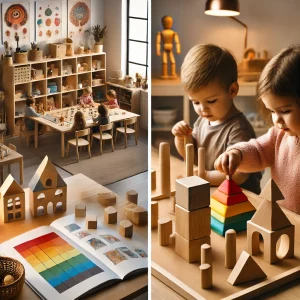
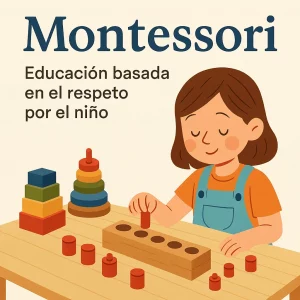
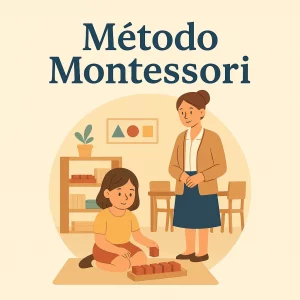
At its core, the método Montessori prioritizes the child’s autonomy and natural development. It encourages children to explore their interests at their own pace, fostering a love of learning in a prepared environment filled with age-appropriate materials. In a Montessori setting, teachers act as guides, facilitating rather than directing learning experiences. This approach has proven successful in nurturing independence, critical thinking skills, and social-emotional development.
The Essence of Montessori Principles
Montessori education revolves around several key principles:
- Child-Centered Learning: Education is tailored to the individual needs and interests of each child.
- Hands-On Experience: Children learn through practical activities that engage their senses and intellect.
- Real-World Connections: Learning materials relate to real-life experiences, enhancing relevance and understanding.
- Respect for Natural Development: Education supports the child’s unique developmental trajectory and milestones.
Real-Life Application
Consider the case of the Johnson family, who, after a frustrating experience navigating their son’s educational needs, stumbled upon Montessori principles. Their five-year-old, Leo, was struggling with independence during morning routines — he often resisted getting dressed or brushing his teeth without prompts. Inspired by the Montessori philosophy of encouraging self-sufficiency, they implemented small changes in their home. They created a dedicated space where Leo could choose his clothes and set a step stool by the sink for him to reach the bathroom fixtures. Over time, Leo began to take pride in making choices and performing his self-care tasks independently.
Discovering Montessori Schools
As you explore the option of enrolling your child in a Montessori school, keep in mind the importance of finding an authentic program that adheres to Montessori principles. Many parents type in “Montessori near me” when looking for schools that align with these values. Our site can help you navigate this landscape, allowing you to see a range of options tailored to various age groups and needs. For instance, if you are based in Terni, Umbria, you might be interested in checking our featured local Montessori school.
Creating a Montessori Environment at Home
You might be wondering how to cultivate a Montessori environment even if your child is not enrolled in a Montessori school. The good news is that the principles of Montessori education can be applied in the home setting as well. Here are a few practical tips:
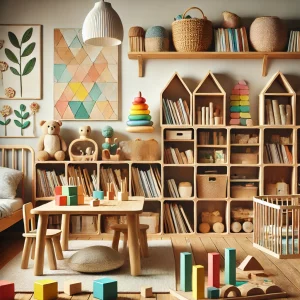
- Prepared Environment: Organize a space where your child can freely access materials and resources that stimulate their interests.
- Child-Sized Furniture: Use appropriately sized furniture and tools so that your child can engage in activities with ease.
- Choice and Autonomy: Allow your child to make choices in their daily activities, from selecting their outfits to deciding which materials to work with.
Encouraging Independence Through Montessori
When parents realize these changes can make a profound difference, they often find clarity in their parenting journey. For example, another family, the Smiths, discovered Montessori when dealing with their daughter Ava’s struggles with nightly bedtimes. By shifting their approach to allow Ava to feel more in control of her bedtime routine — such as choosing her pajamas or reading for a short while before sleep — they noticed a significant reduction in resistance and conflict. Through the lens of educación Montessori, they learned to foster Ava’s independence and nurture her ability to make choices, ultimately leading to a more peaceful bedtime.
Engaging With a Montessori Community
As you embark on this journey, connecting with other parents interested in Montessori can be invaluable. Share experiences, tips, and even challenges with like-minded families. Engaging with a community can provide support and resources, reinforcing your confidence as you integrate the principles into your life. Be sure to make use of our website’s AI assistant MarÍA, specifically trained in Montessori methodology. This can be a great resource for brainstorming ideas or finding answers to specific questions you might have around parenting and education.
Conclusion
In summary, Montessori education is more than just a learning method; it’s a comprehensive approach to fostering independence, curiosity, and a lifelong love for learning. By understanding the fundamental principles laid out by María Montessori, and integrating them into your parenting, you can provide your child with a rich, fulfilling educational experience — whether in a Montessori school or at home. If you’re still searching for the right Montessori options, don’t hesitate to visit our guide to find programs and resources suited to your needs.
For further insights and a deeper understanding of Montessori, explore our articles on various topics, including Montessori education for parents, exploring Montessori pedagogy, and understanding the Montessori method. Together, we can make this journey rewarding for both you and your child.