What is Montessori and Why Are So Many Families Searching for It?
As parents embark on the journey of raising their children, many find themselves searching online with phrases like “Montessori near me” or “Montessori school near me“. These searches often reflect a desire to explore educational alternatives that align with their parenting philosophies and their child’s unique needs. Montessori education, developed by María Montessori, emphasizes independence, hands-on learning, and respect for a child’s natural psychological development.
The Basics of Montessori
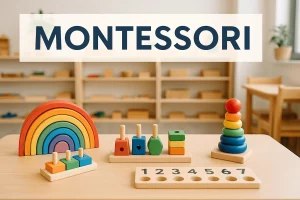
So, what exactly does “Montessori” mean? At its core, it is a child-centered educational approach that fosters a love for learning through discovery and exploration. The método Montessori is based on the understanding that children learn best in environments that are prepared to support their natural curiosity and interests. Educators, or “guides,” in Montessori settings facilitate rather than direct learning, encouraging children to embark on their educational journeys.
Why Families Choose Montessori
Families choose Montessori for various reasons. A common motivation is the desire to foster independence in their children. For instance, let’s consider the story of the Johnson family. After struggling with their five-year-old son Max’s reluctance to dress himself or take responsibility for his toys, they discovered Montessori principles through an online search.
After immersing themselves in educación Montessori, they decided to implement some ideas at home. They created a space where Max could choose his clothing and put away his toys independently. To their delight, Max began to flourish, enjoying the autonomy and gaining confidence in his abilities.
Creating a Montessori Environment at Home
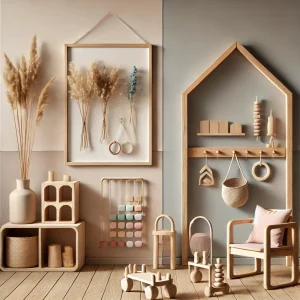
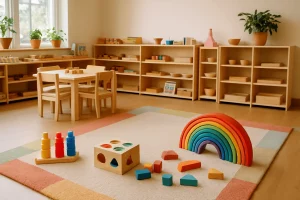
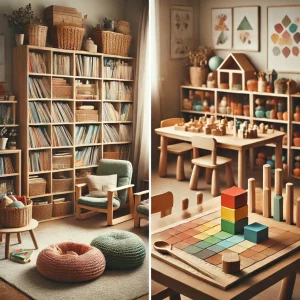
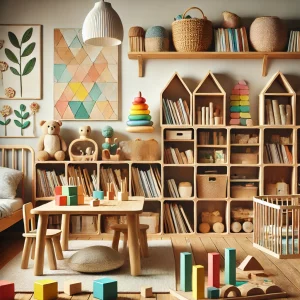
Establishing a Montessori environment at home can seem daunting, but it is simpler than you might think. Start by organizing your space to promote independence. This can include:
- Creating accessible shelves with toys and learning materials.
- Providing child-sized furniture and tools.
- Designating specific areas for different activities—like reading, arts and crafts, and sensory play.
For example, Sarah, a single mother from California, introduced Montessori principles in her tiny apartment. She used baskets and trays to organize her daughter’s art supplies, making them easy for her little one to access. Instead of an art table, she set up a corner with a low table and chairs to encourage creativity while allowing her daughter to explore materials independently.
The Role of the Montessori Guide
In a traditional classroom setup, teachers take the center stage and deliver knowledge. In contrast, the role of the Montessori guide is fundamentally different. Guides observe children, assessing their interests and developmental stages. They then curate activities that align with each child’s learning style. This allows children to learn at their own pace, fostering a deep understanding and love for learning.
Real-Life Experiences with Montessori
Many families report transformative experiences after adopting Montessori methods. Consider the tale of the Smiths, who faced challenges with their daughter Lily’s attention span. Lily had always struggled in a traditional preschool environment, often overwhelmed by noise and activities happening simultaneously. After some research on the Montessori method, they enrolled her in a nearby Montessori school.
Immediately, they noticed a difference. The calm classroom environment allowed Lily to focus deeply on her chosen activities. She thrived on the freedom to choose her work and was genuinely excited about learning. The experience confirmed for the Smiths the importance of a learning environment that catered to their child’s unique needs.
Finding Montessori Schools Nearby
With the internet as a resource, locating a Montessori school has never been easier. Utilizing online resources can help parents find nearby schools or learning centers. For families wanting to find local Montessori options, the Montessori Maria website provides an excellent search and guide section to help you locate Montessori-inspired education in your area. For example, if you’re specifically located in Terni, Umbria, you can explore options like this Montessori school.
Exploring Montessori for Different Age Groups
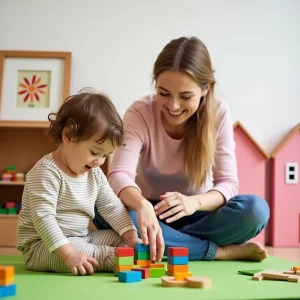
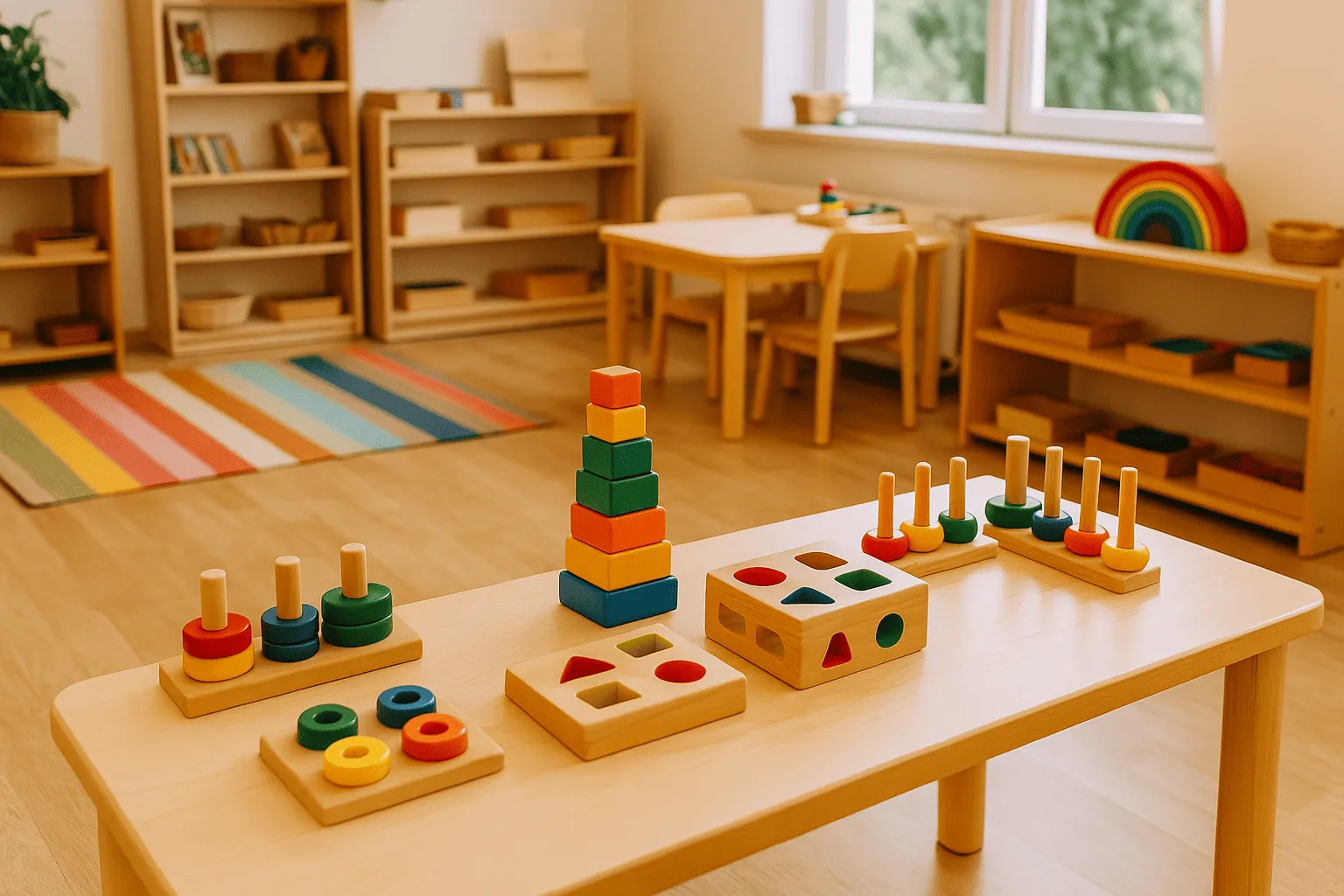
Montessori is adaptable for various age groups, from infants to adolescents. The approach emphasizes developmental readiness and aligns activities with children’s natural growth stages. For instance, toddlers may engage in practical life activities, like pouring or sorting, while preschoolers may explore phonics and math concepts through hands-on materials.
As children transition to elementary and middle school, the focus shifts to developing critical thinking and collaborative skills, supported by the guidance of trained educators. Parents can learn more about this at the Montessori Maria website and discover further resources in articles like Understanding Montessori Pedagogy.
The Impact of Montessori on Child Development
Research consistently shows that children who learn in Montessori environments often exhibit higher levels of creativity, problem-solving skills, and social awareness. The emphasis on mixed-age classrooms allows older children to mentor younger ones, promoting empathy and cooperation. This environment also allows for self-directed learning, where children become active participants in their education.
Conclusion: The Montessori Journey
Exploring Montessori can be an enriching journey for both parents and children. If you’re intrigued by the principles of Montessori, consider reaching out to educators and communities that embrace this approach. Remember, the Montessori method is not just about what happens in the classroom; it’s about fostering a way of life that prioritizes lifelong learning and respect for children’s natural developmental paths.
As you take the first steps on this journey, don’t hesitate to consult resources like the Montessori Maria website, where you can also find our AI assistant, MarÍA. The assistant is specifically trained in Montessori methodology, ready to answer any questions you may have and guide you through your Montessori journey. Happy exploring!