What is Montessori?
As more and more families look for effective educational methods, the term “Montessori” has gained popularity. Parents often type phrases like “Montessori near me” or “Montessori school near me” into search engines, hoping to find local schools or resources that align with this unique educational approach. The good news is that our Montessori Maria website offers a helpful search and guide section for locating Montessori-inspired learning opportunities worldwide. For instance, if you’re in Terni, Umbria, you can directly explore Montessori schools in Terni.
A Brief History
The Montessori method was founded by Dr. María Montessori, an Italian physician and educator. In the early 1900s, she developed this innovative approach focusing on child-led learning. Today, Montessori principles are applied in schools and homes around the world, making education a personalized journey for each child.
Key Principles of Montessori Education
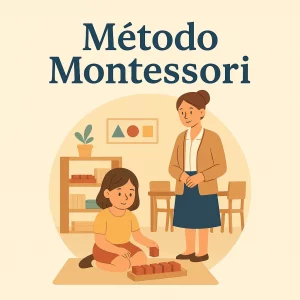
At the heart of the Método Montessori are several key principles that distinguish it from traditional educational systems:
Child-Centered Learning
One of the core Montessori principles is child-centered learning, which means that education is tailored to each child’s unique interests and abilities. Within a Montessori environment, children are encouraged to pursue their passions, whether it’s art, science, or literature, enabling them to learn at their own pace.
Independence and Responsibility
Montessori places a strong emphasis on fostering independence and helping children take responsibility for their learning journey. In a typical Montessori classroom, children are given the freedom to choose their activities, which helps them develop problem-solving skills and self-discipline.
Real-Life Montessori Experience
Consider the story of the Johnson family, who discovered Montessori for the first time when their son, Lucas, started exhibiting significant independence struggles around the age of four. Frustrated with traditional approaches and eager to support his growth, Lucas’ parents began exploring Montessori resources. They found stories of success in Montessori methodologies, and this led them to implement small changes at home.
The Transition to Montessori at Home
Integrating Montessori principles at home, the Johnsons transformed their living space into a child-friendly environment. They allowed Lucas to tackle simple tasks like dressing himself and pouring his own cereal. At first, it was chaotic, with spills and mismatched socks, but soon enough, Lucas began to thrive. The Johnsons found that the more they stepped back, the more confident and capable Lucas became, validating Montessori’s emphasis on independence.
Montessori at School vs. at Home
While Montessori is often associated with schools, the principles can easily be adapted for home environments. There are several resources available for parents who want to incorporate educación Montessori into their daily routines.
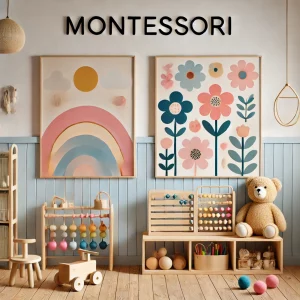
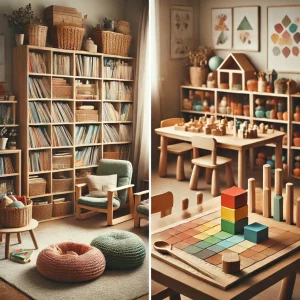
Creating a Montessori Space at Home
To create a Montessori-inspired space at home, consider these simple steps:
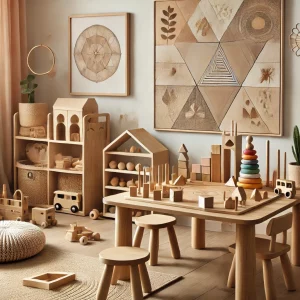
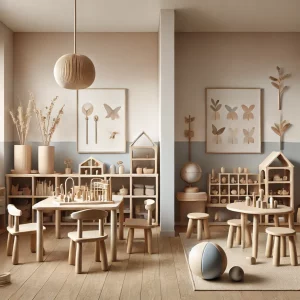
- Utilize child-sized furniture and tools so that children can reach and use items independently.
- Organize materials in a way that encourages exploration and minimizes distractions.
- Rotate toys and activities regularly to maintain interest and stimulate engagement.
- Set boundaries regarding screen time to promote hands-on, constructive play.
Supporting Independence
Equip your child with skills that promote autonomy. For instance, give them tasks appropriate for their age—like watering plants or cleaning up after play. Understand that mistakes are a crucial part of the learning process. Celebrating their successes and gently guiding them through their challenges is the Montessori way.
Finding Montessori Resources
There are a plethora of resources available for parents who wish to dive deeper into the world of Montessori. From books to online forums, many options can enlighten you about the various methodologies. For structured support, check our guides on understanding Montessori pedagogy.
The Role of Educators
If you’re interested in enrolling your child in a Montessori school, knowing what to look for in an educator is crucial. Teachers should be trained in Montessori methods and embrace the philosophy of child-led learning. Visit our comprehensive guide on the Montessori method to find out more about what makes a great Montessori educator.
Using Technology Wisely
In our increasingly digital world, you may wonder how technology fits into a Montessori lifestyle. While it’s essential to limit screen time, educational tools can enhance learning when used appropriately. Consider incorporating learning apps that emphasize exploration and creativity. There are a variety of Montessori-aligned resources available, from apps to websites, but always prioritize hands-on experiences.
The Role of the AI Assistant MarÍA
In addition to traditional resources, parents can also benefit from emerging technology. Our Montessori Maria website includes an AI assistant named MarÍA, designed specifically to answer your questions about Montessori methodology. MarÍA can provide personalized advice, helping you navigate the world of Montessori more effectively.
Conclusion: Embracing Montessori Principles
In summary, the Montessori approach offers a transformative way to foster independence and a love of learning in children. Whether you choose to pursue Montessori education in a school setting or embrace it at home, understanding its core principles can pave the way for a fulfilling educational experience. Don’t hesitate to explore our website for more resources, tips, and guides. With a wealth of information at your fingertips, you’re well on your way to making informed decisions about your child’s education.
By tapping into Montessori resources and learning from real-life experiences, you can confidently support your child’s growth, learning, and independence within the framework of this beautiful, child-centered educational philosophy. Happy learning!