Introduction to Montessori
In today’s fast-paced world, many families often find themselves Googling phrases like “Montessori near me” or “Montessori school near me.” This quest for a nurturing, educational environment for their children leads them to discover the transformative power of the Montessori approach. Fortunately, our website offers a helpful guide and search section to locate Montessori-inspired learning spaces around the globe, making the journey easier for families eager to embrace this child-centered philosophy. You can start your search here: Montessori near me.
The Essence of Montessori Education
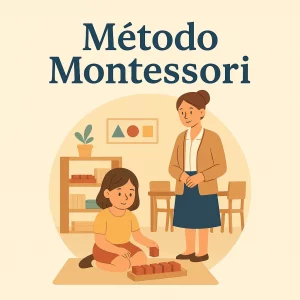
At the heart of Montessori education is the belief that children learn best through exploration and self-directed activity. Developed by Dr. María Montessori, this method emphasizes hands-on learning experiences that foster a child’s natural curiosity and inherent desire to learn. Many parents are drawn to this approach because it nurtures independence and critical thinking skills, allowing children to flourish at their own pace.
Real-Life Situation: Discovering Montessori at Home
Consider the story of the Garcia family. They recently moved to a new city and were searching for learning environments that aligned with their educational values. While exploring options, they stumbled upon the concept of Montessori. Intrigued, they began to implement Montessori principles at home, setting up a learning space where their children could choose activities that interested them. This approach not only enriched their children’s educational experience but also helped their eldest child, Sofia, to embrace independence. Initially, Sofia struggled with asking for help, feeling overwhelmed by her tasks. However, through the Montessori philosophy of encouraging self-sufficiency, she learned to approach challenges with confidence, asking for assistance only when necessary.
Key Principles of the Montessori Method
The Montessori method is founded on several core principles:
- Child-Led Learning: Children are encouraged to choose their activities, fostering a sense of ownership over their learning journey.
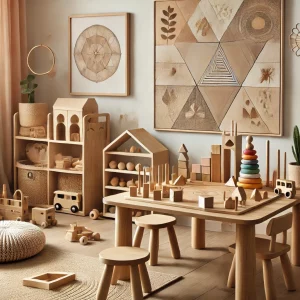
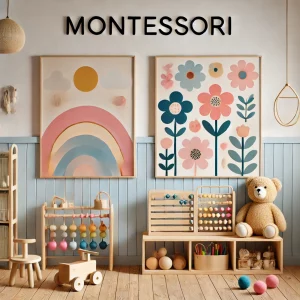
- Prepared Environment: Classrooms and home learning spaces are designed to be inviting and accessible, enabling children to explore freely.
- Mixed-Age Groups: This promotes peer learning and mentorship, as older children take on leadership roles while younger ones benefit from seeing the progress of their peers.
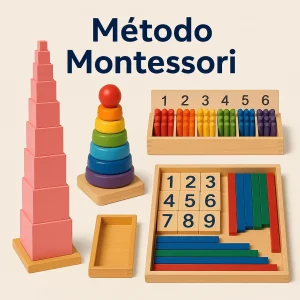
- Hands-On Learning: Activities are designed to be tactile and engaging, ensuring that children can learn through practical experiences.
The Role of Parents in Montessori Education
Parents play a crucial part in implementing Montessori education at home. Communication and collaboration between parents and educators fortify children’s learning experiences. For instance, if a parent notices their child is fascinated by nature, they can create a Montessori-inspired activity by taking a nature walk, exploring plants, and discussing their findings. This real-world application of knowledge enriches the child’s understanding and keeps their attention focused.
Finding a Montessori School
With the rise of interest in Montessori education, many parents find themselves searching extensively for a suitable school. If you’re in a similar situation, explore our website’s Montessori near me section for a tailored search of available Montessori programs near you. There, you can discover schools that embody the essence of método Montessori and resonate with your family’s values.
Real-Life Situation: Navigating Independence Struggles
Another real-life example is that of the Thompson family, who faced challenges with their four-year-old son, Ben. He often resisted attempts to tidy up his toys or dress himself. After learning about the pedagogía Montessori, they decided to implement its principles. They created a designated space for his toys to ensure that tidying up felt less oppressive and more like an engaging game. They used child-sized furniture to encourage Ben’s independence in dressing, reminding him that it’s perfectly okay to ask for help, which he quickly learned to do when needed. The transformation not only empowered Ben but also brought about a sense of joy and accomplishment in his daily routines.
Benefits of Montessori Education
The benefits of Montessori education extend beyond academic achievement. Children who experience this approach often show remarkable independence, self-discipline, and a love for learning. They develop strong social skills, learning to collaborate with peers and respect differences from an early age. And as they encounter challenges, they cultivate resilience, which prepares them for the journey ahead in life.
Resources for Parents
For parents eager to dive deeper into the Montessori philosophy, our website offers various resources including articles and guides. One of the highlights is our AI assistant, MarÍA, designed specifically to support users in understanding the Montessori methodology. You can visit the Montessori Maria website to access MarÍA and explore the wealth of information that can be found there.
Conclusion
In conclusion, Montessori education presents a nurturing and empowering way to facilitate a child’s learning journey. Families searching for programs or techniques that resonate with Montessori principles can turn to our guides and resources for support. Whether it’s exploring schools or embedding Montessori practices at home, the essence of this approach cultivates lifelong learners. Your family’s journey in discovering and embracing Montessori can be transformative, filled with joy and learning.
If you would like more information on the understanding Montessori education or other effective resources, feel free to browse our recent articles such as A Comprehensive Guide to Montessori for Parents and others which explore various aspects of Montessori education, including guidelines and insights for an enriching experience.