What is Montessori?
As families around the world seek educational solutions for their children, many find themselves typing phrases like “Montessori near me” or “Montessori school near me” into search engines. If you’re one of those parents exploring the idea of Montessori education, you’ll be pleased to discover that our website provides a valuable search and guide section for locating Montessori-inspired learning environments across the globe. You can start your journey by visiting Montessori near me to uncover options available in your area, like the wonderful Montessori school in Terni, Umbria.
The Roots of Montessori Philosophy
Montessori education is based on the innovative principles established by María Montessori, an Italian physician and educator. She believed in nurturing a child’s natural desire to learn through hands-on activities and a prepared environment that encourages exploration. The método Montessori emphasizes independence, respect, and a sense of community, creating a holistic approach to education. It is designed to cater to the individual learning pace and style of each child.
The Benefits of Montessori Education
Several studies have shown that children educated under the Montessori system develop strong social skills, self-discipline, and enhanced critical thinking abilities. One of the key aspects of Montessori is that it helps children become autonomous learners. This autonomy is not just about completing tasks; it’s about thinking critically and taking charge of one’s own learning journey.
Real-Life Situations: Discovering Montessori at Home
Consider the Johnson family, who, during the pandemic, found themselves at home educating their three children. Initially struggling to maintain a structured learning environment, they discovered Montessori principles through online resources. They began by setting up a designated learning space filled with a mix of educational toys and materials that stimulated their children’s curiosity. By allowing their kids to choose activities, whether it be pouring water from one container to another or constructing with building blocks, the Johnsons witnessed remarkable improvements in their children’s focus and independence.
Dealing with Independence Struggles
Challenges around independence are common among children. For instance, Emma, a five-year-old, often struggled with her desire to dress herself. After learning about Montessori principles, her parents realized that stepping back and allowing Emma to make decisions about her clothing would encourage her independence. They created a space where Emma could choose her outfits, which not only boosted her confidence but also alleviated a source of morning stress.
Key Principles of Montessori Education
Understanding the core principles of pedagogía Montessori can help parents like you create an effective learning environment at home. Here are a few key principles:
- Child-Centered Learning: Children learn best when they are allowed the freedom to choose their activities.
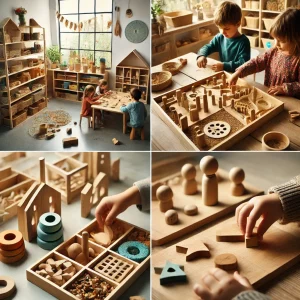
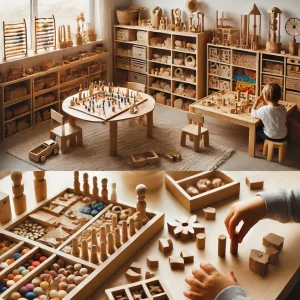
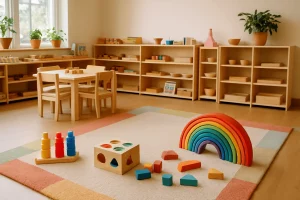
- Prepared Environment: A well-organized space filled with age-appropriate materials supports independent learning.
- Respect for the Child: Every child is unique and should be treated with respect and understanding.
- Collaborative Play: Encouraging children to work together fosters social development and teamwork.
Crafting a Montessori Environment at Home
Adapting your home to align with Montessori principles doesn’t have to be an expensive or complicated process. Here are simple steps you can take:
- Rearrange furniture to create a dedicated learning space.
- Introduce open shelves to display learning materials within easy reach.
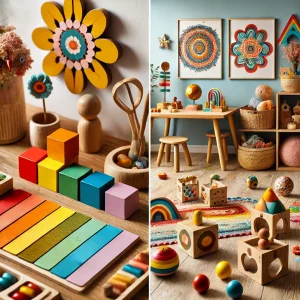
- Use natural materials whenever possible, as they are more engaging for children.
- Minimize distractions to allow for focused periods of exploration.
The Role of the Educator in Montessori
In Montessori settings, educators play a crucial role, acting more as guides rather than traditional teachers. Their responsibilities include observing children’s interests, facilitating learning without directly instructing, and ensuring children are occupied with engaging, meaningful tasks. This approach allows children to learn at their own pace in a nurturing environment.
Finding Montessori Schools
If you are ready to explore formal Montessori education for your child, finding a school is your next step. Many parents look up “Montessori near me” to locate local options. It’s essential to visit schools, ask questions about their philosophy, and observe a class in action. Prospective parents should seek schools that emphasize authentic Montessori pedagogy and have a well-prepared environment.
Practical Montessori Activities for Home
Incorporating Montessori principles at home doesn’t mean reinventing your family life; instead, it’s about integrating learning into everyday activities. Some practical activities to consider include:
- Involving your child in meal preparation to teach life skills.
- Creating a garden space where children can learn about nature and biology.
- Offering materials that promote math and literacy through play, such as puzzles and counting games.
Engaging with Your Child
Engagement is key in Montessori. Talk with your child about their interests and facilitate opportunities for them to explore those areas. If your child shows an interest in animals, for example, create activities focused on animal care, habitat exploration, or storytelling about their favorite animals. This tailored approach keeps children excited about learning.
Support and Resources for Parents
As you embark on your Montessori journey, remember that you are not alone. The Montessori Maria website offers a wealth of resources, articles, and guides that dive deeper into Montessori education. Additionally, our AI assistant, MarÍA, is specially designed to support parents navigating Montessori principles, providing tailored advice and support.
Final Thoughts
Embracing Montessori principles can profoundly impact your child’s educational experience. Whether you choose to implement these ideas at home or find a nearby Montessori school, remember that the goal is to support your child’s natural development. By fostering a sense of independence, curiosity, and respect for learning, you’re laying the foundation for a lifetime of knowledge and joy. If you’re curious to learn more about Montessori education, we encourage you to explore our resources and find the best paths for your family.
Every step you take towards understanding Montessori opens up a world of possibilities for your child. Start by visiting this comprehensive overview to guide you further. With the right information and support, you can create an enriching learning adventure for your little ones.