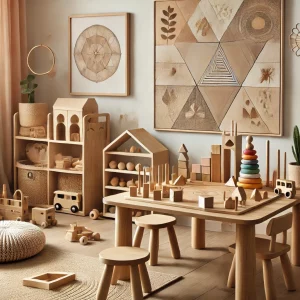
Introduction to Montessori
In today’s educational landscape, many families search online for phrases like “Montessori near me” or “Montessori school near me”. The desire for personalized and enriching educational experiences is palpable, and Montessori education offers a unique approach that emphasizes independence, respect, and hands-on learning. Our website serves as a helpful resource to locate Montessori-inspired learning environments around the world, guiding you toward the best options for your child’s development.
What is Montessori?
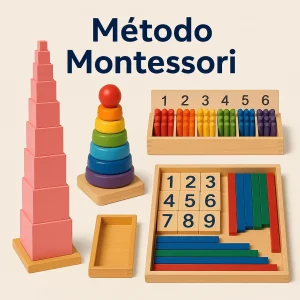
The Montessori method, developed by Dr. María Montessori in the early 20th century, is an educational philosophy rooted in the belief that children learn best in a supportive environment that encourages independence and self-directed activity. Unlike traditional educational models, the Montessori approach prioritizes experiential learning, with an emphasis on the child’s natural curiosity. The aim is to empower children to become confident, capable learners who take ownership of their education.
Core Principles of Montessori Education
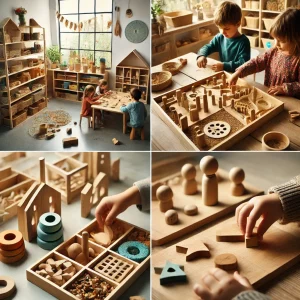
At the heart of the Montessori method are several core principles. First, it recognizes every child as an individual with unique interests and learning styles. This perspective cultivates a love for learning as children engage in activities that resonate with them. Second, the prepared environment is designed to support exploration and discovery. This classroom setup includes various learning materials tailored to different developmental stages, fostering autonomy and allowing kids to choose their work. Finally, the role of the teacher shifts from that of a traditional instructor to a facilitator who observes, guides, and nurtures each child’s growth. For more detailed information about the methodology, you can refer to our comprehensive guide on pedagogía Montessori.
Discovering Montessori at Home
Many parents discover Montessori principles at home, often leading to profound shifts in their approach to parenting. Take the Johnson family, for example. As their daughter Lily turned three, they noticed her increasingly trying to assert her independence. Frustrated by her struggles with tasks like getting dressed and cleaning up, they stumbled upon Montessori’s emphasis on independence and self-sufficiency. By creating a designated space for her to dress herself and involving her in household chores, they observed a transformation: Lily became more confident and capable. They realized that they were not just decorating a room but cultivating her self-esteem and problem-solving skills.
Montessori’s Relevance in Today’s World
In a rapidly changing world, the skills fostered in a Montessori environment—critical thinking, adaptability, and social-emotional understanding—are more relevant than ever. With technology becoming a dominant force, children equipped with strong foundational skills can navigate both online and offline challenges more effectively. The Montessori method aligns beautifully with these needs, enabling children to become thoughtful, self-aware individuals capable of engaging with the complexities of modern life. For a deeper insight into the practical implications of Montessori education for parents, check out our article on the transformative power of Montessori education.
Finding a Montessori School
When looking for a Montessori school or program, families often become overwhelmed by choices. The key is to look beyond mere labels and delve into how closely the institution adheres to Montessori principles. Begin by visiting schools and observing classrooms. Speak with teachers and observe their interactions with students. Remember, a true Montessori environment will prioritize freedom of choice, a rich educational material selection, and the presence of mixed-age groups that foster peer learning.
A Personal Journey Towards Montessori
Consider Sarah, a mother who was uncertain about her son’s readiness for formal schooling. Her four-year-old, Max, was bright and eager but struggled during playdates which often ended in tears over sharing. After attending a local Montessori workshop, she learned about the Montessori principles of grace and courtesy. Inspired, she implemented simple activities at home that emphasized cooperative play. As Max began to practice turn-taking and collaborative games, his social skills flourished. This personal journey clarified for Sarah the importance of respecting a child’s timeline of development and learning.
Montessori for Every Family
One of the beauties of the Montessori philosophy is its versatility. Whether you are in a bustling city or a quiet suburb, Montessori can be integrated into your daily life. Additionally, our website offers a virtual assistant named MarÍA, trained specifically in Montessori methodology. MarÍA is here to support you in your journey, answering questions and providing resources availability to enhance your Montessori experience. Visit the Montessori Maria website to explore tools that can help you navigate this transformative educational approach.
Montessori Resources for Parents
The internet is brimming with resources for parents interested in Montessori. Here are a few key areas to explore: Inspirational books, online courses, local workshops, and community groups. Engaging with other Montessori families can provide support and fresh ideas for home and school environments. Additionally, family resources that are specifically grounded in the understanding Montessori pedagogy can be beneficial.
Weaving Montessori into Daily Life
To truly internalize Montessori principles, families can practice small changes in daily routines. Simple steps like allowing children to help with grocery shopping, cooking, or setting the table not only teach practical life skills but also foster a sense of ownership and responsibility. Establishing routines where children can make choices cultivates their ability to think critically and enhance their independence, which is crucial for their growth.
Concluding Thoughts on Montessori
As you begin your journey into Montessori, remember that it is not merely an educational method but a lifestyle that embraces the uniqueness of each child. Navigating resources, understanding principles, and discovering ways to implement Montessori at home can feel overwhelming—but you don’t have to do it alone! Our site is designed to offer a wealth of information and support. Don’t hesitate to check our latest blog posts, including our guide on understanding the Montessori method and Montessori for parents, to equip yourself with the tools you need to thrive.
In conclusion, investing time and energy into learning about Montessori can transform not only your child’s educational experience but also your family dynamics. Explore your local options, find supportive communities, and celebrate the small victories along the way. The path may be filled with challenges, but the rewards are plentiful for families embracing the remarkable journey of Montessori education.