Introduction to Montessori
As parents search for the best educational options for their children, many find themselves typing phrases like “Montessori near me” or “Montessori school near me” into search engines. The Montessori method, developed by Dr. María Montessori, is an innovative approach to education that prioritizes child-led learning and independence. At the Montessori Maria website, we provide a helpful search and guide section to assist families in locating Montessori-inspired learning environments around the globe.
What is Montessori?
Montessori is both a philosophy and a method of education that encourages children to learn at their own pace in a structured, nurturing environment. The approach promotes autonomy, respect for a child’s natural psychological development, and an understanding of how children learn best. This method is based on the belief that children are naturally curious and want to learn, making them active participants in their education.
The Legacy of María Montessori
To truly understand the Montessori method, it is essential to learn about who was María Montessori. Born in Italy in 1870, she was a physician and educator who dedicated her life to studying children and their educational needs. Montessori developed her educational approach around the early 1900s, based on her research and observations of children. Her innovative ideas have since influenced educational systems worldwide, promoting an understanding of developmental needs and learning processes.
The Montessori Method
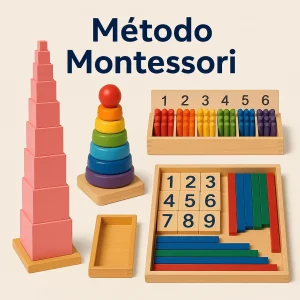
The método Montessori emphasizes hands-on learning, collaborative play, and self-directed activity. In the classroom, children choose their activities from various learning stations curated by the teacher, known as a “guide.” This allows children to follow their interests and develop skills at their own pace. The structured environment encourages independence and teaches responsibility, as children learn to take care of their surroundings and respect their peers.
Real-life Situations
Consider the Thompson family, who were struggling with their four-year-old son, Ben, who constantly resisted going to traditional preschool. After hearing about Montessori, they visited a local school and were amazed by the specially designed classrooms filled with materials that invited exploration. The teachers observed Ben as he gravitated toward a practical life area, where he poured water and practiced buttoning—a skill that seemed mundane yet hugely important.
Inspired by their visit, the Thompsons began implementing Montessori principles at home. They introduced simple tasks for Ben, such as setting the table or choosing his clothes. Miraculously, this focused approach not only fostered Ben’s independence but also reduced the power struggles that had characterized their morning routines.
The Role of Independence in Montessori
Independence is a cornerstone of the pedagogía Montessori. This philosophy empowers children to make choices and learn from their experiences, even if they occasionally make mistakes. Parents often find this perspective enlightening. For example, a mother named Sarah found herself frustrated with her daughter’s refusal to dress independently. Through her research into Montessori practices, she learned how vital it is to step back and give her child the opportunity to practice dressing herself, even if it took longer than desired. By allowing this, Sarah discovered the transformative power of trust and patience.
Understanding the Montessori Environment
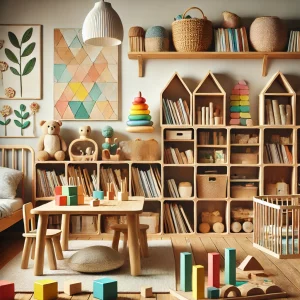
A Montessori classroom is particularly distinctive due to its setup. Materials are thoughtfully placed within reach of children, and each item serves a specific educational purpose. Children engage with materials that encourage exploration, sensory experiences, and problem-solving, fostering a love for learning. Parents looking for Montessori schools near them will notice this environment is critical for the success of the method. It’s not just about graded homework or standardized tests; rather, it’s about nurturing joyful, engaged learners.
Encouraging Growth and Exploration
One of the most delightful aspects of Montessori is how children are encouraged to explore their interests. Take, for example, a young girl named Mia, who had always been fascinated by nature. In her Montessori school, her teach guide allowed her to explore this interest deeply. Mia spent a week studying plants, learning how to care for them, and even starting her own small garden. This experience bolstered her confidence and inspired her to share her discoveries with her classmates, facilitating peer learning and collaboration.
Montessori at Home
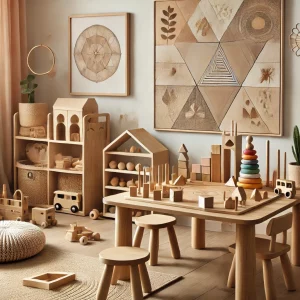
To bring Montessori principles home, parents can start simple changes. Creating a prepared environment is crucial. This includes providing child-sized furniture, accessible materials, and a space where children can feel safe to explore and make choices. For example, parents can place art supplies in a specific area where children can create freely or allow kids to help with cooking by using kid-friendly utensils.
Moreover, the Montessori Maria website features an AI assistant called MarÍA that’s specifically trained in Montessori methodology. This resource serves as an excellent guide for parents seeking advice or looking to dive deeper into understanding and applying Montessori at home. When families are equipped with knowledge, they can support their children’s learning journeys effectively.
Finding Montessori Schools
Navigating the process of finding a quality Montessori school can sometimes feel daunting. It’s beneficial to visit potential schools and observe classrooms in action. Parents might ask themselves questions like: Is the space inviting? Are teachers attentive and nurturing, yet also allowing children to explore independently? These factors can significantly influence a child’s educational experience.
Connecting with Your Community
In addition to schools, many communities offer Montessori-inspired activities, playgroups, and workshops for families. Exploring these options can enhance your family’s understanding of Montessori beyond the classroom. Check local listings or use our Montessori near me guide to find these enriching opportunities.
Conclusion
Montessori is more than just a method of education—it’s a philosophy that fosters independence, respect, and a love for learning. Many families are realizing the transformative potential of applying Montessori principles at home and ensuring their children have access to quality education. By utilizing resources available through the Montessori Maria website, parents can find the right support as they navigate their child’s education. Whether you are searching for a school or seeking to implement Montessori at home, remember that the journey of learning should be joyful, engaging, and fulfilling for both children and parents alike.
For parents wanting to delve deeper into the world of Montessori, exploring articles and resources available on the Montessori Maria website will provide invaluable insights. If you feel the urge to understand more about the Montessori education landscape and how to apply it in practical settings, rest assured, you are not alone. Guided by the principles of every Montessori methodology, your child is bound to thrive!