Introduction to Montessori
Many families today find themselves searching for educational alternatives online, often typing phrases like “Montessori near me” or “Montessori school near me.” This growing interest stems from a desire to provide children with a nurturing learning environment that fosters independence, creativity, and critical thinking. At Montessori Maria, we offer a helpful search and guide section to assist you in locating Montessori-inspired learning opportunities worldwide, including options in your local area.
The Foundations of Montessori Education
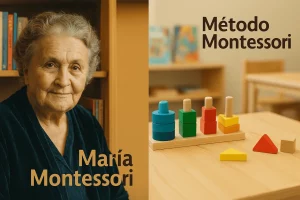
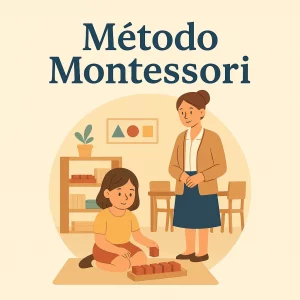
Montessori education, developed by María Montessori, emphasizes learning through a child’s natural curiosity and interests. It promotes self-directed activity, hands-on learning, and collaborative play. In Montessori environments, children are encouraged to explore, experiment, and engage with materials in ways that resonate with their individual learning styles.
The Montessori Method Explained
The método Montessori prioritizes mixed-age classrooms, allowing younger children to learn from their older peers and fostering leadership skills in older students. Learning is often child-led, which means that educators guide rather than direct, creating a respectful and encouraging environment for learning.
Real-Life Situations: Montessori at Home
Let’s consider a family that recently discovered Montessori education while searching for alternatives to traditional schooling. Jennifer and Tom were concerned about their son, Ethan, who seemed less enthusiastic about his schoolwork and more interested in playing outside. After researching Montessori, they decided to implement some principles at home.
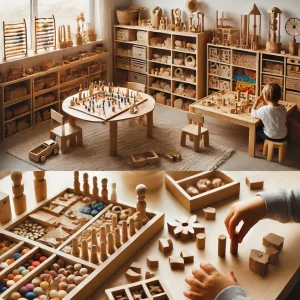
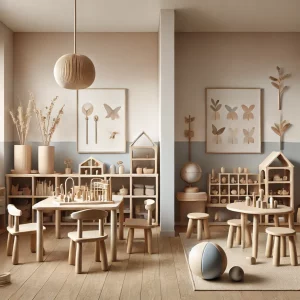
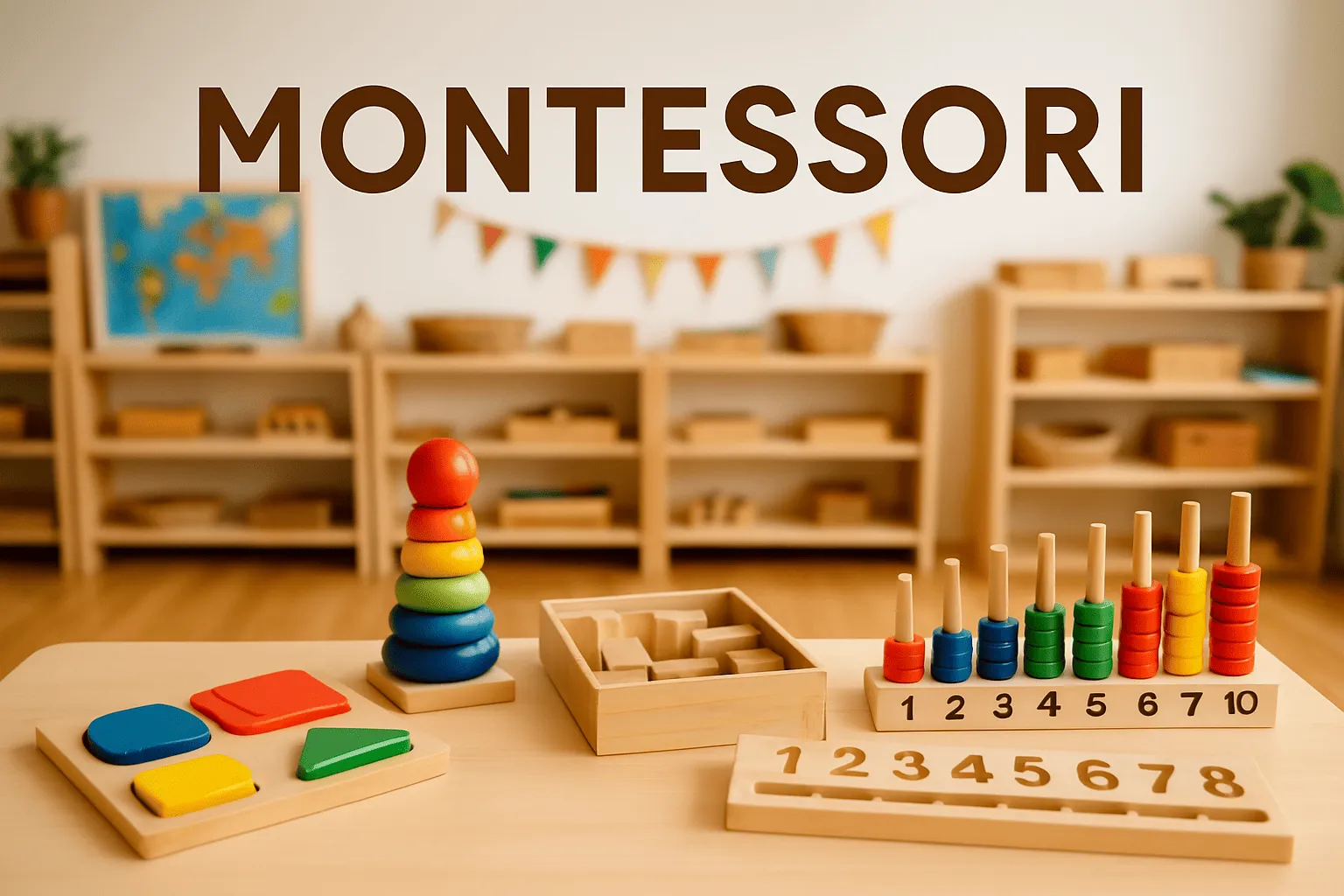
They created a structured yet flexible environment for Ethan, filled with learning materials that engaged him in practical life skills, like pouring, sorting, and cleaning. They noticed that Ethan became more independent, tackling tasks by himself. Their dining room turned into a mini-Montessori classroom, complete with a small table and chair set just for him. This simple change ignited a passion for learning and exploration.
Encouraging Independence
Many parents struggle with fostering independence in their children. Take the case of Sarah, who faced daily battles with her daughter, Mia, over getting dressed in the morning. After learning about Montessori principles, Sarah took a new approach. She arranged Mia’s clothes in a way that allowed her to choose what to wear. This small change empowered Mia to make decisions, significantly reducing the morning chaos.
Key Principles of Montessori Education
Understanding the core principles of pedagogía Montessori can help parents implement them effectively at home. These principles include:
- Respect for the child: Acknowledge each child’s pace of development and interests.
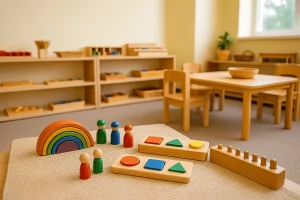
- Prepared environment: Create spaces that promote exploration and learning.
- Child-led learning: Allow children to pursue their interests and passions.
- Hands-on activities: Foster physical engagement with learning materials.
Finding Montessori Resources
At Montessori Maria, we make it easy to find Montessori resources and schools in your area. Our page features a search tool that highlights available Montessori schools tailored to your geographic region. For example, if you’re in Terni, Umbria, you can find specific options by visiting our page dedicated to Montessori schools in Terni.
Utilizing the Montessori AI Assistant
To further support your journey into Montessori education, the Montessori Maria website offers an unique AI assistant named MarÍA. This virtual guide is specifically trained in Montessori methodology and can provide you with insights and suggestions based on your specific needs and circumstances. Whether you’re a parent exploring Montessori for the first time or someone looking to deepen their understanding, MarÍA can help demystify the process.
Benefits of Montessori Education
Montessori education has numerous benefits, some of which include:
- Enhanced concentration and focus: Children learn to engage deeply in tasks.
- Improved social skills: Working in mixed-age groups encourages collaboration and mentorship.
- Stronger problem-solving abilities: The hands-on approach fosters critical thinking.
- Fostering a love of learning: Children are more likely to pursue learning actively.
Educational Alternatives and Resources
If you’re considering alternatives to traditional schooling, explore further resources available on our website. Recent articles, such as Understanding the Montessori Method and Understanding Montessori, provide helpful insights into what to expect and how to implement these educational methods.
The Role of the Educator
In a Montessori environment, educators take on a different role compared to traditional classrooms. They act as facilitators, observing children rather than dictating learning. They prepare the environment, provide resources, and support each child’s individual journey. This approach requires patience and a deep understanding of the Montessori philosophy.
Conclusion: Unlock Your Child’s Potential with Montessori
In conclusion, Montessori education offers a transformative approach to learning, one that prioritizes the child’s natural development and interests. If you’re a parent seeking to empower your child, consider exploring the Montessori method further. Utilize resources like Montessori Pedagogy and connect to local options for schools. Start your journey toward a more enriching educational experience today!