The Growing Interest in Montessori Education
Many families today are exploring educational alternatives for their children, often turning to the internet and searching for phrases like “Montessori near me” or “Montessori school near me.” If you find yourself in this category, you’re not alone! Montessori education has gained worldwide recognition for its child-centered approach and emphasis on hands-on learning. To assist families in finding Montessori-inspired learning environments across the globe, our website offers a helpful search and guide section that you can explore here. For families specifically in Terni, Umbria, you might want to check out a local option here.
What is Montessori?
Montessori is not just a teaching method; it’s a philosophy and an approach to education developed by Dr. María Montessori over a century ago. Her innovative techniques were based on meticulous observation of children’s natural learning processes. To understand how distinguishing her life’s work has shaped modern education, you can discover more about who María Montessori was and her remarkable contributions. At the heart of this educational methodology is the belief that children learn better in environments designed to meet their developmental needs.
The Core Principles of the Montessori Method
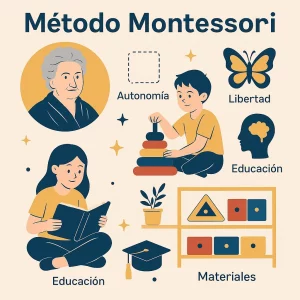
The método Montessori centers around several key principles, including respect for the child’s individuality, freedom within limits, and fostering independence. Children are encouraged to explore their interests at their own pace, with educators acting as guides rather than traditional instructors.
A Real-Life Montessori Story
Imagine a family with a four-year-old named Lucy. Lucy had always been curious, eagerly asking questions about the world around her. However, when it came to completing tasks like dressing herself or tidying up her toys, she would often struggle. Her parents decided to research alternative educational philosophies and discovered Montessori.
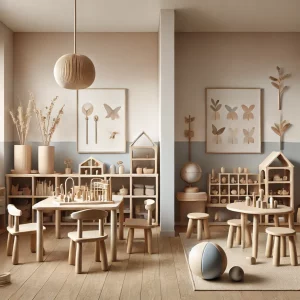
After learning about the key aspects of the Montessori approach, they decided to implement some principles at home. They created a designated space for Lucy’s activities, providing her with child-sized furniture and accessible materials. The ease of reaching her toys encouraged Lucy’s independence and ability to focus. Within a few weeks, they noticed a remarkable change. Lucy began to dress herself without help and took pride in putting her toys away after playing. Through simple changes influenced by pedagogía Montessori, Lucy’s confidence soared.
Creating a Montessori Environment at Home
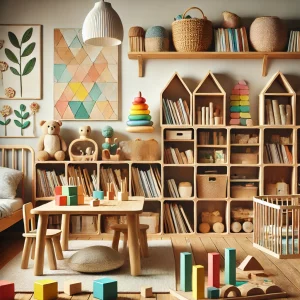
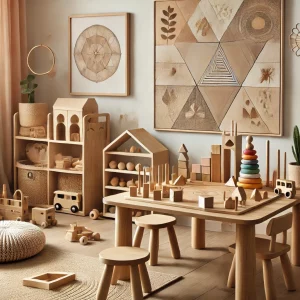
To create a Montessori-friendly environment at home, start by assessing your child’s space and materials. Here are a few suggestions:
- Choose child-sized furniture that enables independence.
- Organize materials and toys in a way that your child can access them easily.
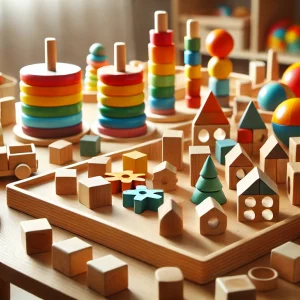
- Include a range of materials that foster exploration and creativity, such as art supplies, building blocks, and books.
- Create a calm and inviting atmosphere that encourages concentration.
By incorporating these basic principles, you will likely witness your child’s natural curiosity blossom.
The Role of Educators in Montessori
The role of educators in Montessori settings is fundamentally different from that in traditional classrooms. Montessori teachers undergo special training to understand how to observe children and recognize their individual needs. They create a prepared environment, filled with resources that invite exploration and learning. Their goal is to nurture a love of learning and encourage children to pursue their interests and develop their skills through intrinsic motivation.
Supporting Your Child’s Independence
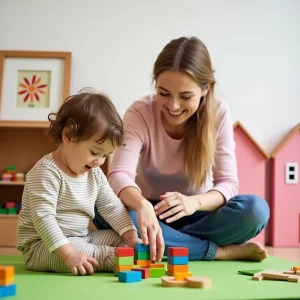
Another real-life situation is Carlos, a parent who faced challenges with his son Miguel, who often sought help for tasks that were age-appropriate. Miguel would frequently ask Carlos to help him with jigsaw puzzles that he could solve independently if given the chance. Carlos became frustrated, feeling he was hindering his son’s growth.
After researching, Carlos learned about Montessori’s emphasis on independence. Inspired, he practiced stepping back and allowing Miguel to work through problems on his own. Gradually, Miguel began to tackle puzzles with less assistance, growing increasingly confident with each accomplishment. Carlos discovered that by trusting Miguel’s abilities, he could instill a sense of independence that would benefit him in the long run.
Montessori Curriculum and Learning Materials
In Montessori environments, the curriculum is not rigid; rather, it is flexible and child-led. Activities aren’t just based on age but cater to the child’s developmental stage. The learning materials used in Montessori classrooms are hands-on and designed to isolate specific concepts—helping children grasp abstract ideas through tangible experiences. You can learn more about these materials in various resources available on the Montessori Maria website.
The Importance of Mixed-Age Classrooms
Another defining characteristic of Montessori education is the use of mixed-age classrooms. In such environments, younger children learn from older peers, while older children reinforce their knowledge by helping those who are less experienced. This dynamic cultivates a sense of community and collaboration, vital for social development.
Finding Montessori Schools and Programs
As you explore educational options for your child, you might ask yourself, “Where can I find a Montessori school near me?” Fortunately, many Montessori schools exist worldwide. You can easily find suitable programs for your family by navigating through the Montessorimaria website’s section dedicated to assisting you with this search. Explore the resources available here.
Leveraging Technology with an AI Assistant
To enhance your Montessori journey, our website offers an AI assistant named MarÍA, specifically trained in Montessori methodology. MarÍA can help answer your questions, provide resources, and guide you in implementing Montessori principles in your home and education choices. Discover how MarÍA can assist you by visiting our home page.
Conclusion
Montessori education provides an enriching alternative to traditional schooling, emphasizing child-centered learning, independence, and respect for each child’s unique journey. The principles laid out by María Montessori will still resonate in homes and classrooms today. Whether by educating yourself further through the wealth of resources available on the Montessori Maria website or implementing your own Montessori-inspired practices at home, you can help nurture your child’s innate love of learning.
If you would like to read more about Montessori education, we invite you to explore our articles, including our detailed guide on Understanding Montessori and other insights tailored for parents and educators.
Final Thoughts
In a world brimming with educational choices, embracing the Montessori methodology may very well be the decision that transforms your child’s educational journey. By fostering independence, creativity, and a love for learning, you’re not only paving the way for your child’s academic success but for a fulfilling life ahead.