Introduction
In today’s fast-paced world, many families often find themselves searching for “Montessori near me” or “Montessori school near me” as they seek guidance on educational choices for their children. Montessori education has gained significant traction, resonating with parents and educators who wish to adopt a more personalized and effective teaching approach. Our website offers a comprehensive Montessori locator and helpful guides for families looking to navigate this journey. You can explore these resources further at Montessori near me and visit Montessori schools in Terni, Umbria.
Who Was Maria Montessori?
Maria Montessori, born on August 31, 1870, in Chiaravalle, Italy, was a pioneering educator and physician. She is best known for developing the Montessori method, a child-centered educational approach that emphasizes independence, respect, and hands-on learning. Montessori’s work began in the early 20th century when she established the first Casa dei Bambini (Children’s House) in Rome. Her innovative methods focused on creating an environment where children could learn at their own pace, igniting a spark of curiosity and a lifelong love of learning.
Throughout her career, Montessori faced numerous challenges, including societal norms that underestimated children’s capabilities. However, her belief in the potential of every child led her to travel the world, sharing her methods and beliefs, which have since transformed education in countless schools. Today, her legacy continues to guide educators and parents alike seeking to nurture their children’s natural abilities and interests. To delve deeper into her life and influence, check out María Montessori y su legado.
The Core Principles of Montessori Education
At the heart of the método Montessori lies a fundamental understanding of how children learn. Montessori education recognizes that each child is unique and develops at their own pace. The core principles of Montessori include:
- Child-led learning: Children are encouraged to choose their activities based on their interests and stage of development.
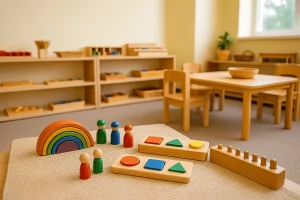
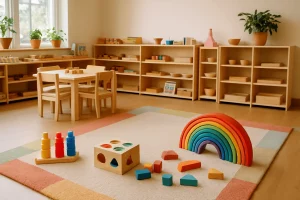
- Prepared environment: Classrooms are designed to be inviting and accessible, filled with materials that promote exploration and learning.
- Mixed-age classrooms: Children learn from each other, fostering collaboration, empathy, and social skills.
- Respect for the child: Educators observe and guide without direct interference, trusting that children will take ownership of their learning.
Real-Life Applications of Montessori Principles
Parents and educators can incorporate Montessori principles into their homes and classrooms in various ways. A notable example includes a teacher who decided to reorganize their classroom to reflect Montessori principles. Instead of traditional rows of desks, the teacher created designated areas for different subjects, filled with engaging materials that children could explore independently. This not only transformed the classroom dynamic but also empowered students to take charge of their learning.
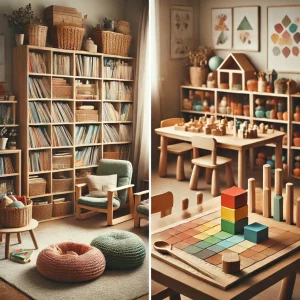
On the home front, parents can prepare their child’s room to encourage independence. For instance, they can simplify the space by making toys and materials easily accessible. Low shelving, small furniture, and a designated work area can help children feel more in control of their environment, fostering their decision-making and organizational skills. Such changes embody the essence of Montessori education, allowing children to thrive.
Benefits of Montessori Education
The impacts of Montessori education extend far beyond academic success. Research has shown that children educated through this approach demonstrate greater social-emotional skills, improved problem-solving abilities, and a heightened sense of responsibility. As they engage in hands-on activities, they develop a deep understanding of the concepts they encounter, enhancing their learning experience.
Moreover, Montessori students often show greater curiosity and a stronger intrinsic motivation to learn compared to those in traditional educational settings. The focus on collaboration and respect fosters a nurturing community, allowing children to learn from one another and celebrate individual differences.
Embracing Montessori at Home
For parents seeking to incorporate Montessori principles into their own practices, several strategies can be employed. Designating a specific area for your child to work on projects, providing them with self-correcting materials, and allowing them to participate in daily household tasks can empower them to take ownership of their environment and education. Families can explore these techniques further and transform their home into a Montessori-friendly space by visiting Understanding Montessori: A Guide for Parents.
Montessori Schools: What to Look For
When searching for a Montessori school, such as those found at Montessori near me, parents should consider a few key factors. Ensure the school adheres to authentic Montessori practices, including mixed-age classrooms and a well-prepared environment. It’s essential to visit the school, meet the educators, and observe classroom activities to determine if it aligns with your educational philosophy.
In addition, look for a school that fosters a strong sense of community and family involvement. Open communication between parents and educators is vital for supporting children’s growth and learning. Explore the resources available on the Montessori Maria website to empower yourself during this important decision-making process.
The Role of Technology in Montessori Education
In recent years, technology has become an integral part of education. Montessori educators are increasingly integrating technology in ways that align with Montessori principles. When used thoughtfully, technology can serve as an engaging tool for exploration and discovery. For instance, virtual field trips and interactive applications can complement hands-on activities, providing students with a broader perspective of the world around them.
However, it’s crucial to strike a balance between technology use and hands-on experiences. Montessori education emphasizes sensory experiences and real-world interactions, which can be compromised by excessive screen time. Therefore, parents and educators should consider how best to utilize technology as a supportive resource within the Montessori framework.
Challenges and Considerations
Despite the numerous benefits of Montessori education, challenges may arise for both parents and educators. The transition to a Montessori approach can be daunting, particularly if one is accustomed to traditional teaching methods. Educators may require substantial training to implement Montessori principles effectively, and parents might struggle to relinquish control over the learning process. To help navigate these challenges, resources, such as the Understanding Montessori Pedagogy guide, can provide valuable insights and support.
Conclusion
Maria Montessori’s revolutionary educational approach continues to inspire countless families and educators worldwide. By understanding and embracing her principles, parents can foster a nurturing environment that promotes independence, curiosity, and a love for learning in their children. Whether you’re searching for a Montessori school or simply looking to integrate Montessori methods at home, resources such as Understanding Maria Montessori can support your journey. Additionally, our AI assistant, MarÍA, is available on the Montessori Maria website to provide you with personalized assistance as you explore these transformative practices.