María Montessori: A Revolutionary Educator
In today’s fast-paced world, many families find themselves searching for “Montessori near me” or “Montessori school near me” as they seek educational solutions that cater to their child’s unique development. For parents and educators looking to embrace this child-centered approach, our website provides a comprehensive Montessori locator and helpful guides to assist you in finding the right environment for fostering your child’s learning.
A Brief Biography of María Montessori
Born in 1870 in Italy, María Montessori became one of the first female doctors in her country. Her early work with children with disabilities laid the foundation for her groundbreaking educational philosophy. Unlike traditional schools that often imposed rigid structures, Montessori advocated for a learning environment that nurtured a child’s natural curiosity and independence. The legacy of María Montessori endures today, influencing countless schools and educational methods worldwide.
The Montessori Method: Empowering Children to Learn Independently
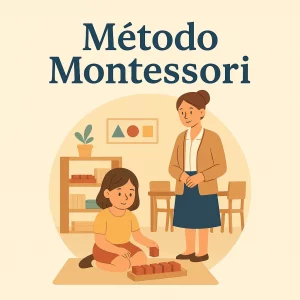
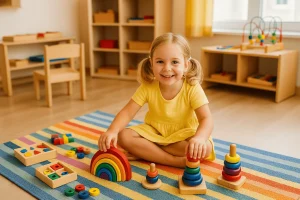
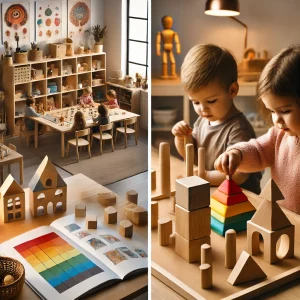
The Montessori method is built on the belief that children learn best when they are active participants in their education. Rather than adhering to a strict curriculum, educators provide a prepared environment filled with materials that cater to diverse learning styles. This approach allows children to choose their activities, fostering a sense of ownership and encouraging them to pursue their interests.
Classroom Transformation
Consider the example of a teacher named Ms. Roberts, who decided to reorganize her classroom according to Montessori principles. Instead of traditional desks lined up in rows, she arranged tables in small groups with various learning stations. Each station was designed to promote different skills – practical life skills, sensory exploration, and creative expression. As a result, her students became more engaged and took greater responsibility for their learning, demonstrating a marked improvement in both academic performance and social interaction.
Creating an Independent Learning Environment at Home
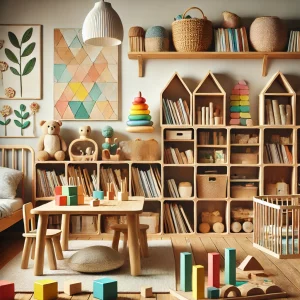
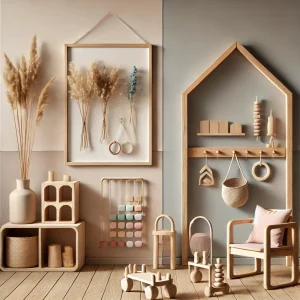
For parents, applying Montessori principles at home can also be a transformative experience. Imagine a child’s room designed with independence in mind. Instead of conventional furniture, parents can opt for child-sized tables and shelves that allow easy access to toys and books. By setting up a space where the child can explore freely, parents encourage decision-making and problem-solving skills, essential elements of the Montessori philosophy.
Real-Life Examples of Montessori in Action
One parent, Sarah, shared her experience of transforming her kitchen into a Montessori-inspired environment. She placed a small step stool beside the counter, empowering her young daughter to help with cooking and preparing meals. By involving her child in everyday tasks, Sarah fostered a sense of accomplishment and independence, allowing her daughter to learn practical life skills while enjoying quality time together.
The Montessori Approach Today
As the demand for personalized education grows, many families are discovering the spark of curiosity ignited by the Montessori approach. Schools worldwide are adopting Montessori principles, encouraging not just academic learning, but also emotional and social development. This transformation can lead parents to seek more information about the pedagogía Montessori, which emphasizes learning through play, exploration, and collaboration.
Finding Montessori Resources
To support your journey, our AI assistant, MarÍA, provides tailored information on the Montessori Maria website. Whether you are looking for activities to implement at home or searching for a Montessori school, MarÍA can guide you through your options and help you make the best choices for your child’s education.
The Benefits of Montessori Education
Educators and parents alike are witnessing remarkable results from adopting Montessori methods. Children in Montessori settings exhibit increased motivation, improved concentration, and enhanced social skills. The collaborative and respectful learning environment cultivates a community where children learn to value diversity and develop empathy.
Preparing for Change
Transitioning to Montessori can seem daunting at first, especially for educators used to traditional teaching methods. A great starting point is professional development training focused on the Montessori method. Teachers can participate in workshops or online courses to deepen their understanding and refine their teaching strategies.
Sustaining Montessori Values in Daily Life
For families, integrating Montessori values into daily life can provide consistency between home and school environments. Encouraging independence, fostering curiosity, and recognizing children’s choices are essential components that families can embrace. Simple habits like allowing extra time for tasks or offering choices for activities can reinforce a child’s confidence and self-direction.
Building a Support Network
Joining local parenting groups that focus on Montessori practices can be invaluable for sharing resources and experiences. Families may also look for playgroups or meet-ups that center around the principles of Montessori education. This shared commitment to child-led learning creates a community dedicated to fostering growth and discovery.
Conclusion: The Future of Montessori Education
María Montessori’s vision for education continues to evolve and inspire new generations of learners. With the constant search for “Montessori near me,” it’s evident that parents increasingly value the principles of independence, respect, and a love for learning. By utilizing our Montessori locator, educators and parents can help nurture a world where every child has the opportunity to learn, explore, and thrive.
As you embark on this journey toward Montessori education, remember that resources such as the Understanding Montessori guide can help you navigate the broader context and enrich your understanding of this transformative approach. Each small change you make can create lasting impacts on your child’s life, laying the foundation for a brighter, more independent future.