Introduction to Montessori Education
In today’s fast-paced world, many families find themselves searching for “Montessori near me” or “Montessori school near me” as they seek educational guidance and support. With an increasing number of parents and educators looking to embrace Montessori principles, it’s vital to understand what the Montessori approach entails. Our website offers a dedicated Montessori locator and helpful guides to assist those interested in this transformative educational philosophy.
A Brief Biography of María Montessori
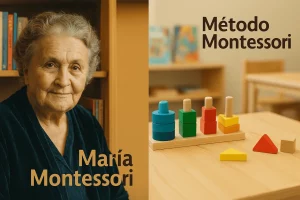
María Montessori was an Italian physician and educator born in 1870. She was a pioneer in the field of child development and education, best known for designing an innovative educational method that encourages self-directed learning. Montessori’s approach is grounded in respect for the child as an individual and emphasizes hands-on learning and collaborative play, allowing children to explore their interests and develop natural talents. Her work has inspired countless educators and parents worldwide, leading to the establishment of Montessori schools and programs across the globe. For more insight into her life and impact, check out María Montessori y su legado.
The Core Principles of the Montessori Method
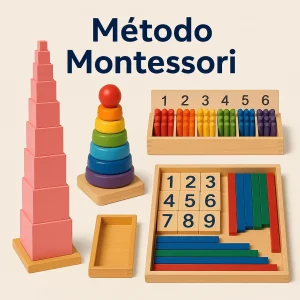
At the heart of the método Montessori are several key principles: child-centric learning, mixed-age classrooms, hands-on activities, and the role of the teacher as a facilitator. This approach contrasts sharply with traditional educational systems, which often prioritize a one-size-fits-all curriculum and rigid structures. By creating a nurturing environment that allows children to learn at their own pace, Montessori education fosters independence, self-esteem, and critical thinking.
Child-Centric Learning
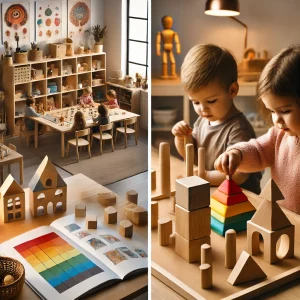
In a Montessori classroom, children are encouraged to follow their interests and choose their learning activities. For example, a child who enjoys building could spend more time with construction materials, exploring principles of engineering, while another may gravitate towards a language activity. This individualized approach empowers children by giving them the freedom to guide their own learning journey.
Mixed-Age Classrooms
Montessori classrooms typically include children of varying ages. This setup allows younger children to learn from older peers while fostering leadership skills in the older students. An example can be seen in a classroom where a ten-year-old teaches a five-year-old how to tie his shoes, promoting a sense of community and collaboration.
Practical Examples of Montessori Principles
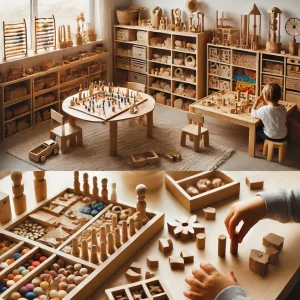
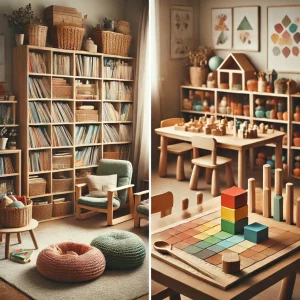
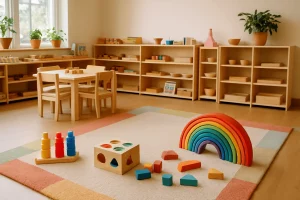
To illustrate how these principles manifest in the real world, let’s explore a couple of practical examples. One case involves a teacher who reorganizes their classroom based on Montessori principles. Instead of traditional rows of desks, the classroom is arranged into different learning stations filled with engaging materials. Students move freely between these spaces, selecting activities that pique their interest. This layout encourages autonomy and responsibility as students manage their own time and resources.
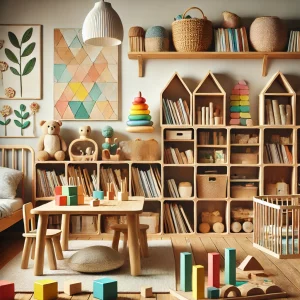
Another example involves parents preparing a child’s room to foster independence. By incorporating child-sized furniture, such as a low table and chairs, as well as accessible storage for toys and books, parents can create an environment where their child feels empowered to choose activities and engage in independent play. This setup echoes the essence of the pedagogía Montessori, which encourages children to develop self-sufficiency early on.
The Impact of Montessori Education
Research shows that students educated in Montessori environments often demonstrate strong academic performance alongside enhanced social and emotional skills. These students typically excel in problem-solving, collaboration, and creativity—traits that are invaluable in today’s complex world. The long-term benefits of Montessori education extend well beyond the classroom, helping children to become confident, capable individuals.
Incorporating Montessori at Home
For parents who wish to incorporate Montessori principles at home, several strategies can be adopted. For instance, setting aside a designated learning space where children can explore independently is crucial. Parents can fill this space with diverse materials that cater to various interests—from art supplies to scientific experiments. The key is to foster an environment where children feel safe to explore and make decisions about their learning.
Utilizing Online Resources
In this digital age, an abundance of online resources can facilitate parents’ and educators’ understanding of Montessori practices. Our website features a comprehensive guide for parents and educators interested in learning more about the Montessori method, including resources to find local schools and activities. You can access this information easily on our website.
Meet MarÍA: Your Virtual Montessori Assistant
Our AI assistant, MarÍA, is here to guide you through your Montessori journey. Whether you’re a parent looking for tips or an educator seeking curriculum ideas, MarÍA can provide personalized suggestions and resources that align with your needs. Engage with MarÍA on the Montessori Maria website to enhance your understanding of Montessori principles and practices.
Conclusion: The Future of Montessori Education
As more parents and educators embrace the Montessori philosophy, it is clear that this educational approach offers valuable insights and strategies that can transform how we view learning. Whether you search for “Montessori near me” or seek to implement Montessori principles in your home, it’s essential to understand the core tenets of this innovative method. From encouraging independence to fostering a love of learning, María Montessori’s legacy continues to influence generations. Explore more about Montessori education and find the right resources to support your journey, whether through our website or local communities.
Dive deeper into Montessori education by reading our latest articles, including a comprehensive guide to understanding the Montessori method here, and discover the implications of Montessori pedagogy on educational practices here. Educators and parents alike can benefit from a thorough understanding of Montessori principles, making it easier to support the unique learning paths of children in our care.