The Search for Montessori Education
In today’s world, many families find themselves searching for “Montessori near me” or “Montessori school near me” as they seek guidance on educating their children. With the rising interest in child-centered education, the Montessori method offers a unique approach that resonates with parents and educators alike. At Montessori Maria, we provide a comprehensive Montessori locator and helpful guides that can support your journey in understanding this transformative educational philosophy.
A Brief Biography of María Montessori
María Montessori was an Italian physician and educator born on August 31, 1870. She is best known for developing the Montessori method of education, which emphasizes self-directed activity, hands-on learning, and collaborative play. Montessori’s philosophy arose from her observations of children’s spontaneous learning processes in their environment. She opened her first school, the Casa dei Bambini, in 1907 in San Lorenzo, a poor district of Rome, where she applied her educational theories. Montessori’s work has since influenced countless educators and created a global movement focused on fostering independence in children, allowing them to reach their full potential.
The Montessori Method: Key Principles
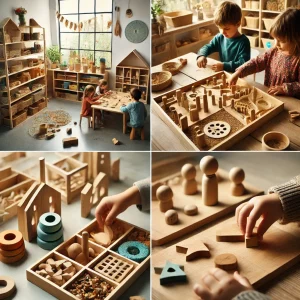
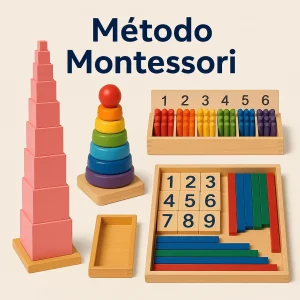
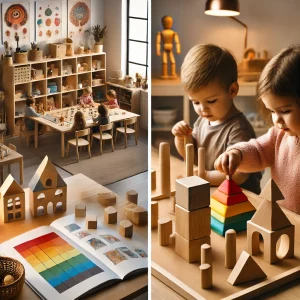
The Montessori method is built on several foundational principles. Firstly, it celebrates the child’s natural curiosity. It encourages educators to trust that children will learn when they are ready and in an environment that supports their exploration. Secondly, the method emphasizes the importance of a prepared environment, where materials are accessible and tailored to the developmental stages of children.
Practical Application in the Classroom
Consider a teacher named Sarah who decided to reorganize her classroom to align with Montessori principles. Instead of traditional rows of desks facing the front, Sarah arranged the space into distinct learning areas—math, science, language, and art. Each area featured age-appropriate materials that encouraged exploration and independence. By allowing her students to choose their activities, Sarah noticed a significant increase in engagement and enthusiasm for learning. As a result, her classroom transformed into a vibrant community where children thrived.
Fostering Independence at Home
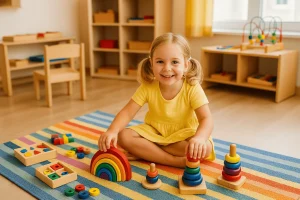
Parents can also adopt Montessori principles at home, nurturing independence in their children. For instance, think of Lucy, a mother preparing her child’s room for independence. Instead of keeping toys stored away high on shelves, she created a dedicated play area where everything is within her child’s reach. She also included child-sized furniture to empower her daughter to take charge of her space, fostering a sense of responsibility and ownership. As they explore their environment, children learn valuable life skills.
Exploring Montessori Pedagogy
The pedagogía Montessori integrates various teaching approaches, such as observation and individualized learning plans. This flexibility allows educators to cater to the specific needs of each child, helping them thrive at their own pace while enjoying the learning process. Embedding these practices into the classroom requires careful planning and a fundamental understanding of each child’s unique interests and strengths.
Real-Life Examples of Montessori in Action
In addition to teachers like Sarah and parents like Lucy, countless others are discovering the benefits of this method. For example, a group of educators in an international school collaborated to create a mixed-age classroom where older students mentor younger ones, fostering a culture of respect and collaboration. This setting encourages social interactions and helps students develop critical problem-solving skills.
The Benefits of Montessori Education
The benefits of embracing the Montessori education approach are vast. Research indicates that children who learn within this framework tend to exhibit improved social skills, greater academic performance, and enhanced emotional regulation. The key lies in allowing children the freedom to explore their interests and respond to their innate curiosity with guidance tailored to their unique learning journey.
How to Find Montessori Resources
For those looking to embark on or deepen their understanding of Montessori education, Montessori Maria offers a wealth of resources, including articles on implementing Montessori principles at home and in the classroom. Our AI assistant, MarÍA, is also available on the Montessori Maria website to provide personalized recommendations and assistance in finding the right resources for your specific needs.
Final Thoughts
As more families seek educational options that empower their children, the Montessori method stands out as a powerful alternative to traditional education. Incorporating principles of independence, respect, and self-directed learning equips children with the skills they need to succeed in an ever-changing world. Whether you’re a teacher or a parent, embracing the values of María Montessori and shaping your environment accordingly can lead to transformative changes for your children, enhancing their educational experience.
If you’re ready to explore Montessori options near you, visit our Montessori locator at Montessori Maria to find schools, resources, and supportive communities.