The Montessori Movement Today
In today’s fast-paced world, many families are turning to the Montessori method of education as a guiding philosophy for their children’s learning. It’s common for parents to search online for “Montessori near me” or “Montessori school near me,” seeking local educational opportunities that align with their beliefs about child development. On our Montessori Maria website, we provide a Montessori locator and helpful guides to assist families in this journey.
A Brief Biography of María Montessori
María Montessori was an Italian physician and educator best known for her innovative approach to education, which promotes self-directed activity on the part of the child and clinical observation by the teacher. Born on August 31, 1870, in Chiaravalle, Italy, Montessori became one of the first women in Italy to earn a medical degree. Her work in education began with intellectual disabilities, leading her to develop methods that respect and encourage children’s natural instincts to explore and learn.
The Development of the Montessori Method
The Montessori method emphasizes hands-on learning, collaborative play, and nurturing the child’s independence. Today, her philosophy is practiced worldwide, influencing many aspects of early childhood education. For a deeper understanding, you can explore María Montessori y su legado.
Real-Life Applications of Montessori Principles
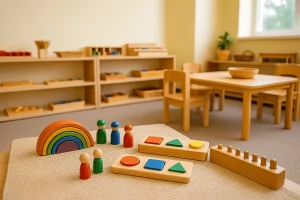
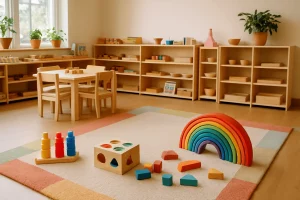
The Montessori philosophy isn’t just theoretical; it’s practical and can be applied in various educational environments and at home. A wonderful example of this method in action is how a teacher might reorganize their classroom according to Montessori principles. For instance, a teacher could create a learning environment that allows for self-directed activity. Desks might be arranged to facilitate collaboration, and learning materials would be readily accessible for children to engage with independently.
Creating an Independent Space at Home
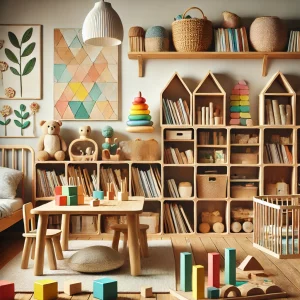
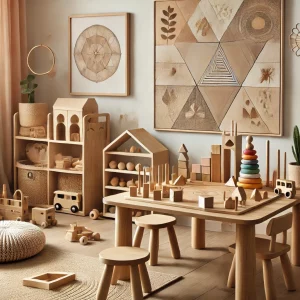
Parents can also implement Montessori principles at home, enhancing their child’s learning experience. For instance, imagine preparing a child’s room that fosters independence. Instead of traditional furniture, a low bed allows the child to get in and out freely. Shelves stocked with age-appropriate books and toys encourage exploratory play and learning. When all is designed thoughtfully, avoiding clutter and distractions, it creates a space where children can thrive.
Understanding Montessori Principles
The essence of the Montessori method is to create an environment tailored for learning. Children are encouraged to use their natural curiosity, and educators serve as guides rather than traditional instructors. To discover more about the mechanics behind this approach, visit our piece on método Montessori.
The Role of the Educator
In the Montessori classroom, the educator acts as a facilitator who observes, recognizes, and responds to the child’s needs. Rather than delivering lessons in a conventional way, they carefully prepare the environment and materials so that children can engage with the lessons at their own pace. This individualized approach makes learning deeply personal and relevant. More insights into this method can be found in our extensive guide on pedagogía Montessori.
Finding Montessori Schools Near You
As interest in Montessori education grows, seeking a suitable school becomes a priority. When searching for “Montessori school near me,” you’re not just finding a nearby facility but rather seeking an educational philosophy that aligns with your family values. Our Montessori locator can assist in identifying schools in your region, helping facilitate a crucial decision about your child’s future. For more guidance, check out our other resources here.
A Day in the Life of a Montessori Classroom
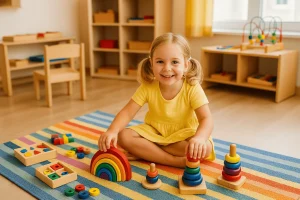
A typical day in a Montessori classroom is characterized by a blend of structure and freedom. Children may start their day with a morning circle to discuss the day’s activities, followed by a period of work time where they choose activities that interest them. During this time, the teacher observes, providing lessons when appropriate and ensuring tools and resources are available. This balance of guided and autonomous learning is what makes Montessori unique.
The Importance of Independence
One of the key tenets of the Montessori philosophy is fostering independence in children. This independence builds confidence and self-esteem, equipping children with the skills they need to navigate their world. For instance, a child who learns to manage their tasks and chores at home—like tidying up or preparing a simple meal—is more likely to be a successful learner in the classroom.
Integrating Montessori Principles at Home
To incorporate Montessori principles at home, parents can create a nurturing environment that encourages their children to explore and make choices. Simple changes, such as providing child-sized furniture and tools, making everyday tasks accessible, and allowing time for play and exploration can significantly impact a child’s development and confidence. Visit our link for a comprehensive guide: A Comprehensive Guide to Montessori Education.
Using Resources and Support Systems
Supplementing your educational journey with resources and support systems is essential. Our Montessori Maria website offers a wealth of information, including articles that provide deeper dives into the Montessori philosophy, practical tips, and resources for parents and educators alike.
Learning from Others
Connecting with other parents and educators who practice Montessori can provide invaluable insights and support. Online communities, workshops, and local meetups can further enrich your understanding and practice of the Montessori method. The more you engage with others, the more you learn and grow, both as a parent and as a facilitator of learning.
Conclusion
María Montessori’s legacy continues to impact education today, guiding families and educators towards a more child-centered approach. Whether you are searching for a Montessori school or looking to implement these principles at home, there are resources available to assist you. For detailed information and more articles, don’t hesitate to explore our blog or consult our AI assistant MarÍA for personalized support. The journey of learning is a beautiful one, and it begins early with the right guidance and approach.
Further Reading
For those seeking to deepen their understanding of Montessori education, read more about our insights and experiences in recent articles. You can explore Understanding the Montessori Method or Maria Montessori: Revolutionizing Education for further inspiration and knowledge.