The Rise of the Montessori Movement
In today’s fast-paced world, many families are searching for the best educational methods for their children, leading to frequent online searches such as “Montessori near me” or “Montessori school near me.” The Montessori approach to education has gained significant popularity among parents and educators alike, thanks to its child-centered philosophy that fosters independence, curiosity, and a love for learning. Our website offers a Montessori locator and helpful guides to assist families in finding nearby Montessori schools that align with their educational values.
A Brief Biography of Maria Montessori
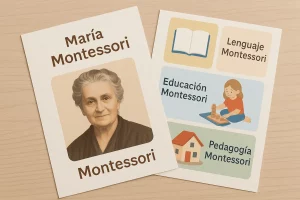
Maria Montessori was born on August 31, 1870, in Chiaravalle, Italy. She was a pioneering physician and educator who founded the Montessori method of education, which emphasizes hands-on, child-led learning. Montessori’s work was influenced by her experiences in medical school and her observations of children, leading her to create learning environments that encourage exploration and discovery. Over her lifetime, she published numerous books outlining her educational philosophy and opened several schools around the world. Her legacy continues to thrive today, as the legacy of Maria Montessori inspires educators and parents to prioritize children’s natural instincts and individuality.
Implementing Montessori Principles in Real Life
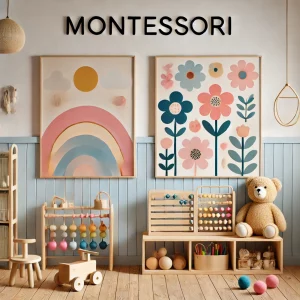
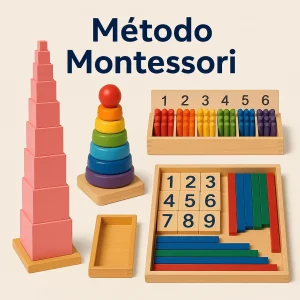
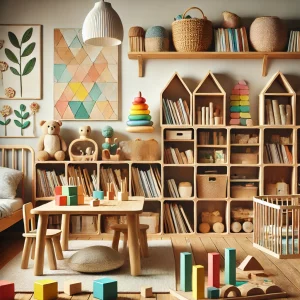
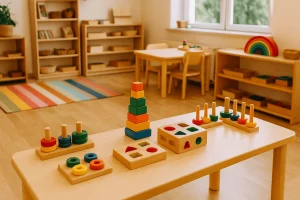
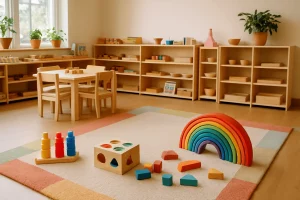
The Montessori method encourages educators to create environments that support children’s independence and learning autonomy. For instance, consider a teacher who decides to reorganize their classroom based on Montessori principles. They might create designated areas for various subjects, such as a reading corner with books at children’s eye level and math materials that are easily accessible for exploration. This layout encourages students to engage with the materials and take charge of their learning, embodying the core tenets of the Montessori method.
Creating a Montessori-inspired Home
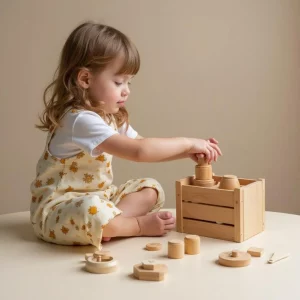
Parents can also adapt Montessori principles at home by preparing their child’s living space to promote independence. For example, organizing a child’s room with accessible shelves, low hooks for clothing, and child-sized furniture allows them to make choices and manage personal tasks. This setup not only fosters a sense of responsibility but also encourages children to be active participants in their day-to-day lives. By arranging their environments intentionally, parents empower children to explore and learn through everyday activities.
Exploring Montessori Pedagogy
The pedagogía Montessori stands out because it respects children’s developmental needs and natural curiosity. Integral to this approach is the concept of “freedom within limits.” Children are given choices, but these choices are guided by educators who facilitate their learning processes. For example, a teacher might observe that a child is fascinated by nature. In response, the teacher may provide resources related to plants and animals, allowing the child to delve into their interests in a structured yet flexible manner.
The Role of the Educator
In the Montessori classroom, the educator acts as a guide rather than a traditional instructor. Instead of delivering lectures, the teacher observes children, recognizing when to intervene and when to allow independent exploration. This role requires a deep understanding of each child’s interests and developmental stage. For instance, if a child demonstrates a strong interest in building structures, the educator may introduce geometry materials that challenge and expand the child’s understanding in a hands-on way.
The Importance of Community
Community engagement is another vital aspect of the Montessori philosophy. By fostering connections between families and schools, educators create a supportive network that reinforces learning outside the classroom. Parents can engage in parent-teacher meetings or volunteer opportunities that strengthen community ties and enhance their children’s educational experience. Moreover, when searching for resources, families can find additional tools and support on the Montessori Maria website.
Utilizing Modern Technology
With advancements in technology, Montessori education continues to evolve. Our AI assistant, MarÍA, provides personalized guidance for parents and educators, offering insights into the Montessori method and resources for implementation. This blend of technology and traditional pedagogy enriches the Montessori experience, making it more accessible for families seeking quality education.
Finding Montessori Resources
For those interested in exploring Montessori education further, it’s essential to connect with reliable resources. Our website is a treasure trove of information, including articles on understanding the Montessori method, practical guides for parents and educators, and insights into how to implement Montessori strategies effectively. Consider visiting this comprehensive guide, which outlines the principles and practices of Montessori education.
The Future of Montessori Education
As our understanding of child development evolves, so too does the Montessori method. Today’s educators and parents are discovering innovative approaches to integrate Montessori principles with modern educational demands. By focusing on the holistic development of the child and fostering a lifelong love for learning, the future of Montessori education remains bright. Parents and educators alike can explore the concepts and background of Montessori education in-depth here.
Conclusion: Making Montessori Accessible
In summary, the Montessori method offers a unique and enriching perspective on education for both parents and educators. Its principles can be applied not just in schools but also in homes, creating a cohesive learning environment that promotes independence and creativity. With the help of resources available on the Montessori Maria website, families can find guidance and support tailored to their needs. Whether you’re searching for “Montessori near me” or wanting to learn more about changing your approach to education, we invite you to explore all the materials and information we have to offer.