Introduction: The Growing Interest in Montessori Education
In today’s fast-paced world, more and more families are searching for the best educational options for their children. A frequent query is “Montessori near me” or “Montessori school near me.” This reflects a growing interest in the Montessori method, which emphasizes child-centered learning. At our website, we provide a Montessori locator and helpful guides to assist parents and educators in finding the right resources and opportunities for their children.
A Brief Biography of María Montessori
María Montessori was an Italian physician and educator born on August 31, 1870, in Chiaravalle, Italy. She was the first woman to graduate from the University of Rome’s medical school and quickly became interested in child education. Her experiences with children, especially those with disabilities, led her to develop a new educational approach that focused on the needs and interests of the child.
In 1907, Montessori opened the first Casa dei Bambini (Children’s House) in the San Lorenzo district of Rome, where she implemented her innovative educational methods. Montessori believed that children learn best in a nurturing environment that fosters independence, curiosity, and creativity. Today, her legacy lives on through the many Montessori schools and programs worldwide. To learn more about her life and contributions, refer to our article on María Montessori y su legado.
The Montessori Method: Core Principles
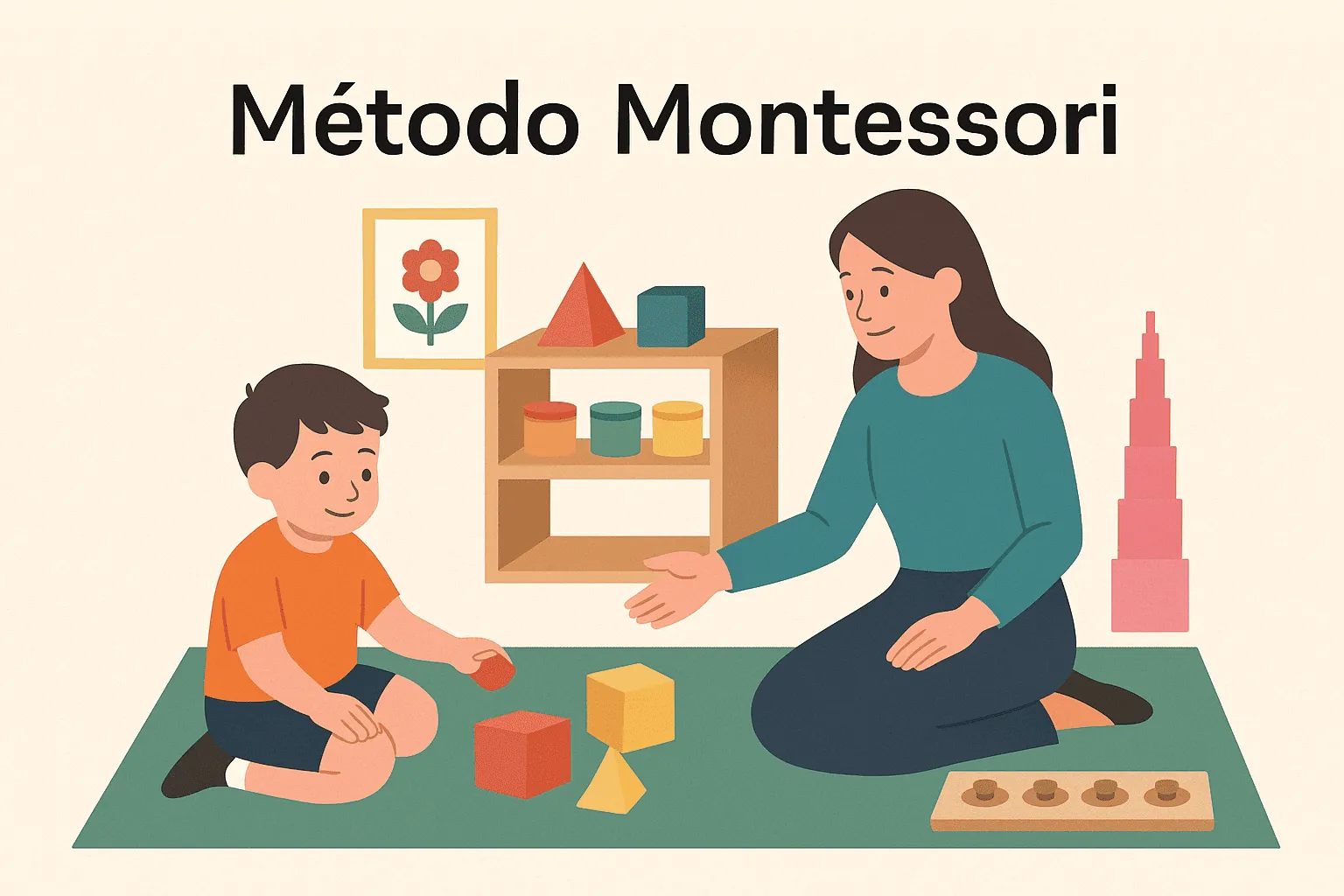
The método Montessori is built upon key principles designed to support the natural development of children. Here are some fundamentals:
- Child-Centered Learning: Education should revolve around the child’s interests and pace.
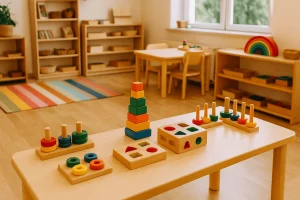
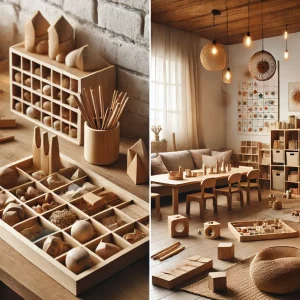
- Learning Environments: Classrooms are designed to be inviting and ordered, promoting independent exploration.
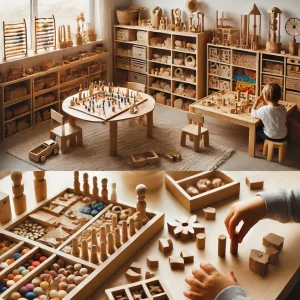
- Hands-On Learning: Children engage with materials that stimulate their senses and develop their cognitive skills.
- Freedom and Responsibility: Students are encouraged to make choices and take responsibility for their own learning.
Reorganizing the Classroom: A Practical Example
Consider a teacher, Ms. Smith, who decides to reorganize her first-grade classroom based on Montessori principles. Instead of traditional desks, she creates learning stations where students can engage with different activities—working with materials related to math, language, and sensory experiences. By providing a variety of resources, Ms. Smith encourages the children to explore their interests independently rather than through conventional direct instruction. This not only fosters a love for learning but cultivates life skills such as decision-making and problem-solving.
Preparing a Child’s Room for Independence
Similarly, parents can apply Montessori principles at home to prepare their child’s room for independence. For instance, the Johnsons decide to adapt their 3-year-old’s bedroom. They remove the crib and replace it with a low bed, allowing their child easy access. They also create a dressing area with clothes placed within reach. This setup encourages the child to dress independently and feel confident in making choices about their attire.
For those interested in delving into Montessori practices, our website offers a comprehensive guide to help parents and educators understand the philosophy behind Montessori education better.
Implementing Montessori Pedagogy in Schools
Implementing pedagogía Montessori in schools involves training educators who are aligned with its principles. These teachers become facilitators in the learning process, providing support and guidance when necessary, but primarily allowing children to drive their learning experiences. This shift transforms the educator’s role from a traditional authoritative figure to a mentor who nurtures curiosity.
Examples of Montessori in Action
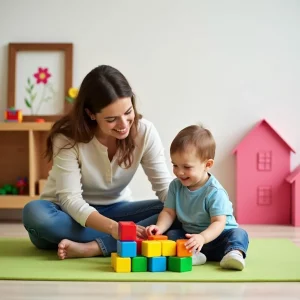
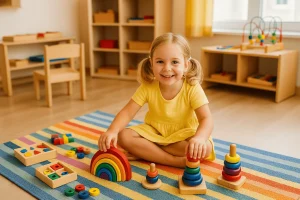
Around the world, Montessori schools have adopted these principles with remarkable success. For instance, a Montessori school in Terni, Umbria, has created an environment where children as young as two years old learn through play. The classrooms feature a variety of materials that appeal to different senses and abilities. Children can choose what they want to work on, whether it’s building with blocks or learning to care for plants. To see more about such institutions, check out this Montessori school in Italy.
Parental Involvement in Montessori Education
Another key element of Montessori education extends to family involvement. Parents play a vital role in reinforcing Montessori principles at home. Simple actions can have a significant impact, such as allowing children to assist with cooking, creating a space for them to organize their toys, or providing them with tasks that promote responsibility. The collaboration between home and school strengthens the child’s learning experience and mimics the natural way of acquiring knowledge.
Conclusion: Embracing Montessori Principles
As educational landscapes continue to evolve, the Montessori method offers valuable insights into fostering developmentally appropriate educational practices. By providing children with an environment that encourages independence and respects their natural curiosity, we prepare them for a future filled with learning. Parents and educators alike are recognizing this approach, leading to increased searches for “Montessori near me” as they seek resources that align with these values.
If you want personalized assistance in navigating Montessori options, our AI assistant, MarÍA, is available on the Montessori Maria website. MarÍA can guide you through choosing the best Montessori resources for your family or classroom.
To explore more about Montessori education, consider checking out our latest articles, including Understanding Montessori Pedagogy and Discovering María Montessori. They are filled with insights and practical tips for parents and educators who want to implement Montessori principles effectively.