María Montessori: A Pioneer in Education
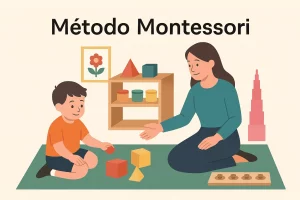
In today’s fast-paced world, many families are eager to provide their children with the best education possible. A growing number find themselves searching for “Montessori near me” or “Montessori school near me” in hopes of discovering a teaching method that aligns with their values and aspirations for their kids. As parents and educators, understanding the *método Montessori* is essential for fostering an environment where children can thrive.
To aid families in this journey, our website offers a range of resources including a comprehensive Montessori locator and helpful guides. You can begin exploring these resources today at Montessori near me and learn about our Montessori school located in Terni, Umbria, at Montessori School Terni.
A Glimpse into María Montessori’s Life
María Montessori was born on August 31, 1870, in Chiaravalle, Italy. She became one of Italy’s first female physicians, but her groundbreaking work in education would outshine her medical career. Experiencing a range of teaching methods, she became fascinated by the idea of allowing children to learn at their own pace in an environment tailored to promote independence.
In 1907, Montessori opened the first Casa dei Bambini (Children’s House) in San Lorenzo, a poor district in Rome. The success of her approach attracted attention worldwide, leading to the establishment of Montessori schools all over the globe. Her legacy continues today as educators embrace her methods and philosophies that encourage learning through exploration, hands-on experience, and respect for a child’s natural development.
The Core Principles of Montessori Education
To understand how to implement Montessori principles at home or in a classroom, it’s vital to comprehend a few key concepts:
- Child-Centered Learning: Montessori education prioritizes the interests and pace of each child, fostering a love for learning.
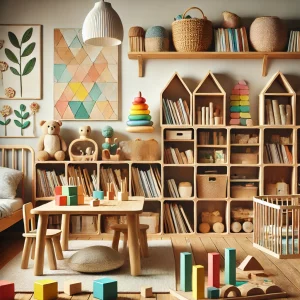
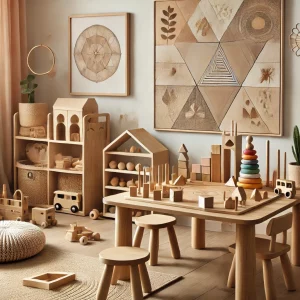
- Prepared Environment: The learning space is intentionally designed to support exploration and independence.
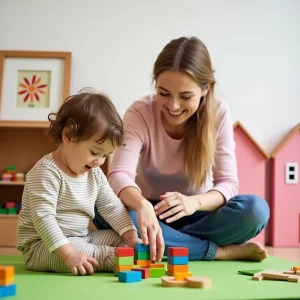
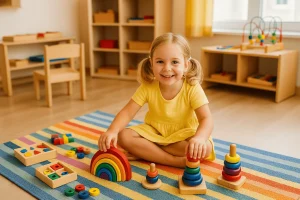
- Hands-on Learning: Children engage with materials to develop cognitive skills and understanding through direct experience.
Practical Application in Daily Life
Let’s explore how these principles can be implemented in real-life situations.
Reorganizing a Classroom
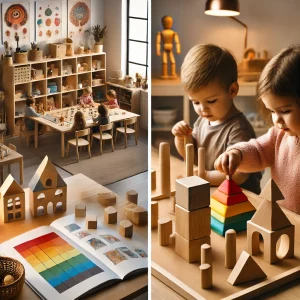
Imagine a teacher redesigning her classroom to adhere to Montessori principles. Instead of traditional rows of desks, she opts for soft, inviting spaces for individual or group work. Each learning area is stocked with simple, accessible materials that cater to various subjects: science, art, and language. Children are permitted to choose their activities within set boundaries, fostering independence and decision-making skills.
Preparing a Child’s Room for Independence
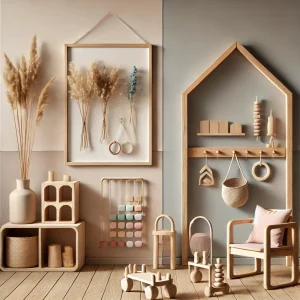
Parents can implement Montessori principles by creating an environment in the home that encourages independence. For instance, consider setting up a child’s room where essentials like clothing and tools are within easy reach. A low closet with accessible hooks for clothes, bins for toys, and a small table for art projects provide children with control over their space. They become self-sufficient learners and are more likely to engage in constructive play without constant adult intervention.
Expanding Knowledge on Montessori’s Legacy
For those keen to delve deeper into the life of this extraordinary educator, you can explore our detailed section on María Montessori y su legado. It outlines her significant contributions to education and how her work continues to influence teaching practices worldwide.
Montessori in Action
There’s no better way to understand Montessori than to see it in action. Real stories from teachers implementing Montessori principles can illuminate the effectiveness of this approach.
One teacher, for instance, began a project where students researched local wildlife and designed their own exhibits using natural materials found outdoors. This project integrated art, science, and language skills while allowing the children to express their understanding creatively. The result? A buzzing classroom where debates flourished over the best way to represent what they learned.
The Role of Educational Guides
To assist with this approach, parents and educators should seek educational resources and guides tailored to Montessori principles. An excellent starting point is on the Montessori Maria website, where you can find an array of guides that emphasize both theory and practice. Our AI assistant, MarÍA, can provide additional insights and assistance as you navigate this educational journey.
The Educational Philosophy Behind Montessori
Montessori’s pedagogical approach focuses significantly on the holistic development of a child—intellectually, socially, and emotionally. This falls in line with the current understanding of child development. For further reading on this transformative approach, visit pedagogía Montessori, where we discuss the deeper implications of this educational philosophy.
Connecting with Your Community
As you embark on this journey, connecting with other parents, educators, and Montessori communities can provide invaluable support. Our Montessori locator can facilitate this by helping you find nearby schools or community centers that embrace traditional Montessori methods. Remember, whether you’re a parent exploring how to structure a child’s playroom or an educator reorganizing a classroom, you have a wealth of resources available.
Wrapping Up: A Call to Action for Parents and Educators
As the education landscape continues to evolve, the demand for Montessori approaches remains strong. Understanding how to implement the *método Montessori* at home and in educational settings is essential for guiding our children toward a successful future. Turn to our articles for more insights, such as Montessori Education: A Path to Independence and Discovering María Montessori. Your journey into the world of Montessori starts here. Embrace the change and allow your child to flourish!
Finally, to continue exploring the transformative power of Montessori education, look at our comprehensive guide available at Understanding Montessori. Here’s to the future of education—may we guide our children, reflective of María Montessori’s spirit!