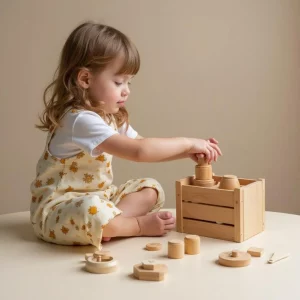
Introduction to Montessori Education
In today’s fast-paced world, many families are increasingly searching for “Montessori near me” or “Montessori school near me” as they seek guidance for their children’s education. The Montessori method—developed by Dr. María Montessori—has become a popular alternative to traditional schooling, emphasizing child-led learning in a prepared environment. At Montessori Maria, we provide a Montessori locator and helpful guides to assist families in finding the right learning environment for their children.
A Brief Biography of María Montessori
María Montessori was an Italian physician and educator best known for creating the Montessori method of education. Born on August 31, 1870, in Chinotto, Italy, she was one of the first female graduates from the University of Rome. Montessori’s fascination with the learning process began while working with children with disabilities. She observed that these children excelled when given freedom in their learning environments, prompting her to develop her own educational philosophy.
In 1907, she opened the first Montessori school, Casa dei Bambini, in a poor neighborhood of Rome, marking the beginning of her revolutionary approach to education. Today, her legacy can be seen in schools around the globe, where educators implement her principles to foster independence, creativity, and a love for learning in children.
The Core Principles of Montessori Education
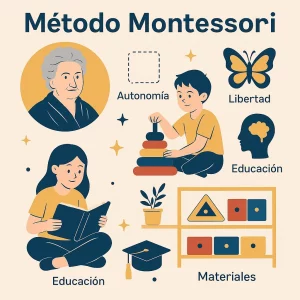
At the heart of the método Montessori are several key principles aimed at nurturing the whole child. These include:
- Child-Centered Learning: Children lead their education, choosing activities that interest them within a structured environment.
- Independence: Montessori encourages children to be responsible for their own learning, developing critical life skills.
- Respect for the Child: Teachers treat each child as an individual, recognizing their unique needs and abilities.
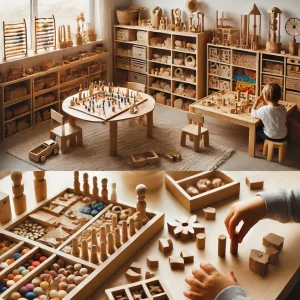
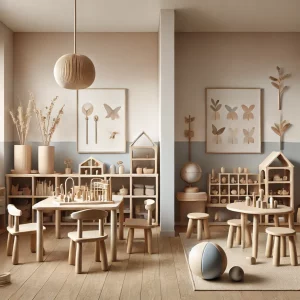
- Prepared Environment: Classrooms are thoughtfully organized to promote exploration and learning at the child’s own pace.
These principles create a nurturing space where children feel safe and encouraged to explore their interests while educators guide their development.
Practical Applications of Montessori Principles
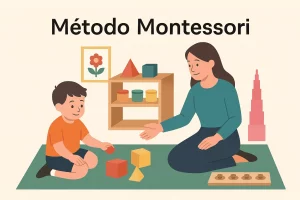
Applying Montessori principles can be transformative for both educators and parents. For instance, a teacher might reorganize their classroom to allow for more open spaces where children can move freely between learning areas. Instead of traditional desks, the teacher could implement low tables and floor cushions that promote comfort and engagement, reflecting the Montessori belief in fostering independence and choice.
Similarly, parents can prepare their homes for their children’s independence by creating a child-friendly space. This might involve setting up low shelves with accessible books and toys, organizing materials into labeled baskets, or allowing children to choose their clothing for the day. Such adjustments empower children to make decisions and engage in self-directed learning.
Resources for Montessori Learning
For those seeking resources to better understand Montessori education, we at Montessori Maria offer an array of helpful guides and articles. One of our recently published articles, Understanding Montessori Education: A Comprehensive Guide for Parents and Educators, dives deep into what makes the Montessori approach unique and effective.
Additionally, many parents turn to our AI assistant, MarÍA, for personalized assistance regarding Montessori practices and to better understand how to implement these methods at home.
Success Stories of Montessori in Action
Consider the story of a parent who applied Montessori techniques in their home. By setting up a designated “work area” with art supplies, books, and other educational materials, the parent created a space for their child to explore their creativity and learn at their own pace. They noticed an increase in focus and enthusiasm for learning, as their child engaged with the materials independently rather than relying on structured guidance.
In another instance, a group of educators revamped their teaching methodologies by incorporating the pedagogía Montessori into their curriculum. They began allowing students to collaborate on projects of their choice, fostering an environment that encouraged teamwork and communication. The result was a more engaged group of students who took pride in their work and demonstrated remarkable growth in social skills.
Finding a Montessori School Near You
As inquiries for “Montessori near me” increase, more families are eager to find schools that adhere to Montessori teachings. For parents who are interested in making the switch, we recommend utilizing our Montessori locator, which provides a comprehensive list of schools tailored to your location and needs. It’s crucial to visit potential schools and observe their environments to ensure they align with the Montessori principles that support child development.
Conclusion: The Legacy of María Montessori
The teachings of María Montessori continue to inspire educators and parents alike. From her belief in fostering independence to her emphasis on respecting the child’s natural desire to learn, her legacy lives on through the many schools and families adopting her principles today. For a deeper understanding and more resources on Montessori education, feel free to explore our latest articles, such as Exploring the Montessori Method: A Comprehensive Guide for Parents and Educators. Embracing Montessori practices can significantly impact a child’s educational journey, one that celebrates curiosity, exploration, and self-discovery.