Introduction
In recent years, many families have begun searching for “Montessori near me” or “Montessori school near me” as they look for educational guidance for their children. This growing interest reflects a desire to provide children with a learning environment that nurtures their natural tendencies and inclinations. Our website offers a Montessori locator and helpful guides, making it easier for parents and educators to find the resources they need.
Who is María Montessori?
Born in 1870 in Italy, María Montessori was a physician and educator who developed an innovative educational approach that emphasizes child-led learning. She became the first woman to graduate from medical school in Italy, and her experiences working with children with disabilities led her to explore the potential of all children. This exploration culminated in the creation of the Montessori method, which focuses on fostering independence and self-directed learning.
Throughout her life, María Montessori championed the idea that children are naturally active learners. Her educational approach, rooted in observation and respect for the child, laid the foundation for the modern Montessori movement. Today, her legacy continues to inspire countless educators and parents worldwide, making resources about María Montessori y su legado widely sought after.
Practical Applications of Montessori Principles
Implementing Montessori principles can transform both classrooms and home environments. Educators often find themselves reorganizing classroom spaces to better facilitate independent learning, while parents may prepare their child’s room to encourage exploration and autonomy.
Transforming Classroom Spaces
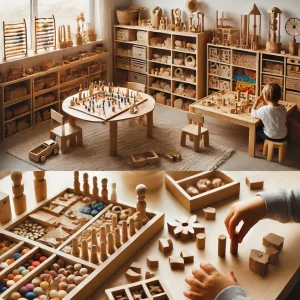
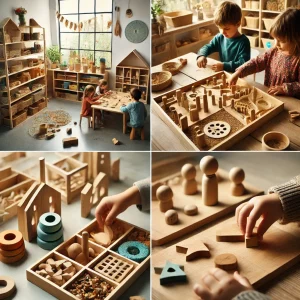
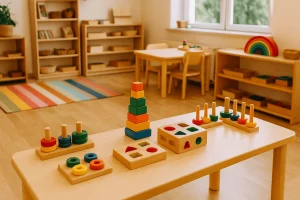
A primary teacher, inspired by the Montessori method, decides to redesign her classroom. Instead of traditional desks in rows, she creates diverse learning stations equipped with various materials that cater to different subjects and learning styles. Each station fosters a unique skill set—whether it be reading, math, or science—and is filled with engaging, hands-on activities that encourage collaboration and exploration among students.
For instance, one corner might be dedicated to sensory play, featuring tactile materials that promote fine motor skills, while another could have bookshelves filled with carefully selected literature to spark a love for reading. The classroom organization promotes students’ choices, allowing them to develop at their own pace and encourages them to pursue their interests—an essential component of the método Montessori.
Preparing a Child’s Room for Independence
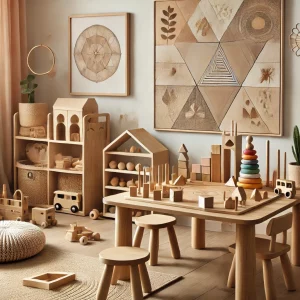
At home, parents can also embrace Montessori philosophies by adjusting their child’s environment. One mother, noticing her toddler’s growing interests and abilities, decides to design a space that reflects Montessori principles. She decides to lower the clothing rods in the closet, allowing her child to choose outfits independently. This simple adjustment fosters self-sufficiency and decision-making skills.
Additionally, she arranges a small bookshelf filled with accessible books and learning materials, encouraging her child to engage in meaningful activities. This setup not only supports her child’s curiosity but also cultivates a sense of ownership over their learning journey. As they grow, these children can learn to manage their space and belongings more effectively, embodying the essence of pedagogía Montessori.
Montessori Resources for Parents and Educators
If you’re interested in learning more about how Montessori principles can benefit your child or classroom, numerous resources are available online. Our AI assistant, MarÍA, can provide guidance and answer specific questions you have about implementing Montessori practices. You can find more information and access MarÍA on the Montessori Maria website.
Understanding the Montessori Method
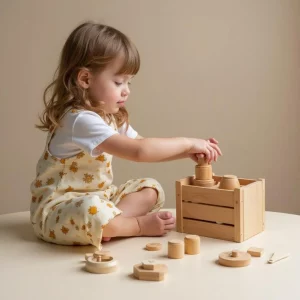
The Montessori method is characterized by its focus on child-directed activity, hands-on learning, and collaborative play. The teacher’s role is to guide rather than instruct, allowing students to discover and explore concepts autonomously. Educators trained in the Montessori method can set up a prepared environment that encourages exploration and experimentation.
For further reading, we recommend our comprehensive guides, such as Understanding the Montessori Method and Understanding Montessori Pedagogy. These articles provide practical insights and tips for integrating Montessori principles into your educational approach.
Finding Montessori Programs near You
As the interest in Montessori education expands, many families are eager to find local programs. Searching for “Montessori near me” can yield valuable options tailored to your child’s needs and learning style. You can utilize our Montessori locator to identify nearby schools and resources where your child can benefit from a Montessori education that nurtures their independence, creativity, and love for learning.
To further explore different aspects of the Montessori approach and how it can create enriching experiences for children, consider reading our latest articles, including:
- Understanding Montessori: A Comprehensive Guide for Parents
- Understanding Montessori Education
- Understanding Maria Montessori: A Guide for Parents and Educators
Conclusion
Embracing the principles of María Montessori can significantly impact a child’s educational experience. From transforming classroom environments to preparing home spaces that foster independence, the Montessori philosophy provides invaluable tools for enhancing a child’s development. Whether you are a parent seeking a Montessori school for your child or an educator aiming to incorporate these methods into your teaching, the resources available on the Montessori Maria website are here to guide you on this rewarding journey.