Introduction
In today’s fast-paced world, many families are searching for educational methods that nurture their children’s natural curiosity and desire to learn. It’s no surprise that parents are typing “Montessori near me” or “Montessori school near me” into search engines, looking for guidance on finding suitable educational environments. The Montessori Maria website is designed to help you locate reputable Montessori schools and provide helpful guides on the Montessori method.
Who is Maria Montessori?
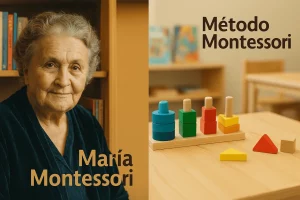
Maria Montessori was an Italian physician and educator born on August 31, 1870, in Chiaravalle, Italy. She was the first woman in Italy to receive a medical degree, graduating in 1896. Her experiences working with children with disabilities fueled her passion for education. Montessori developed her teaching philosophy and methodology through her observations and work with children, emphasizing independence, freedom within limits, and respect for a child’s natural psychological, physical, and social development.
The Montessori Method and Its Impact
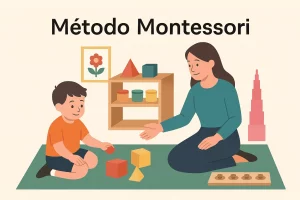
The Montessori method has impacted educational systems worldwide. In the early 1900s, Montessori opened her first school, Casa dei Bambini, in Rome. This innovative school focused on child-led learning and hands-on activities, which promoted the development of critical thinking and problem-solving skills. Montessori’s teachings have been proven to be effective in various educational settings and have influenced countless educators around the globe.
Real-Life Applications of Montessori Principles
Implementing Montessori principles in a classroom or at home can be transformative for both educators and parents. Let’s explore some practical, real-life examples to illustrate how these principles can be applied.
Reorganizing the Classroom
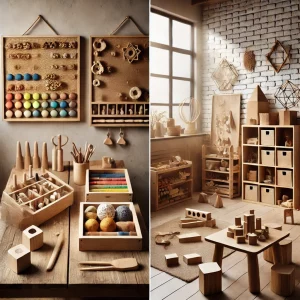
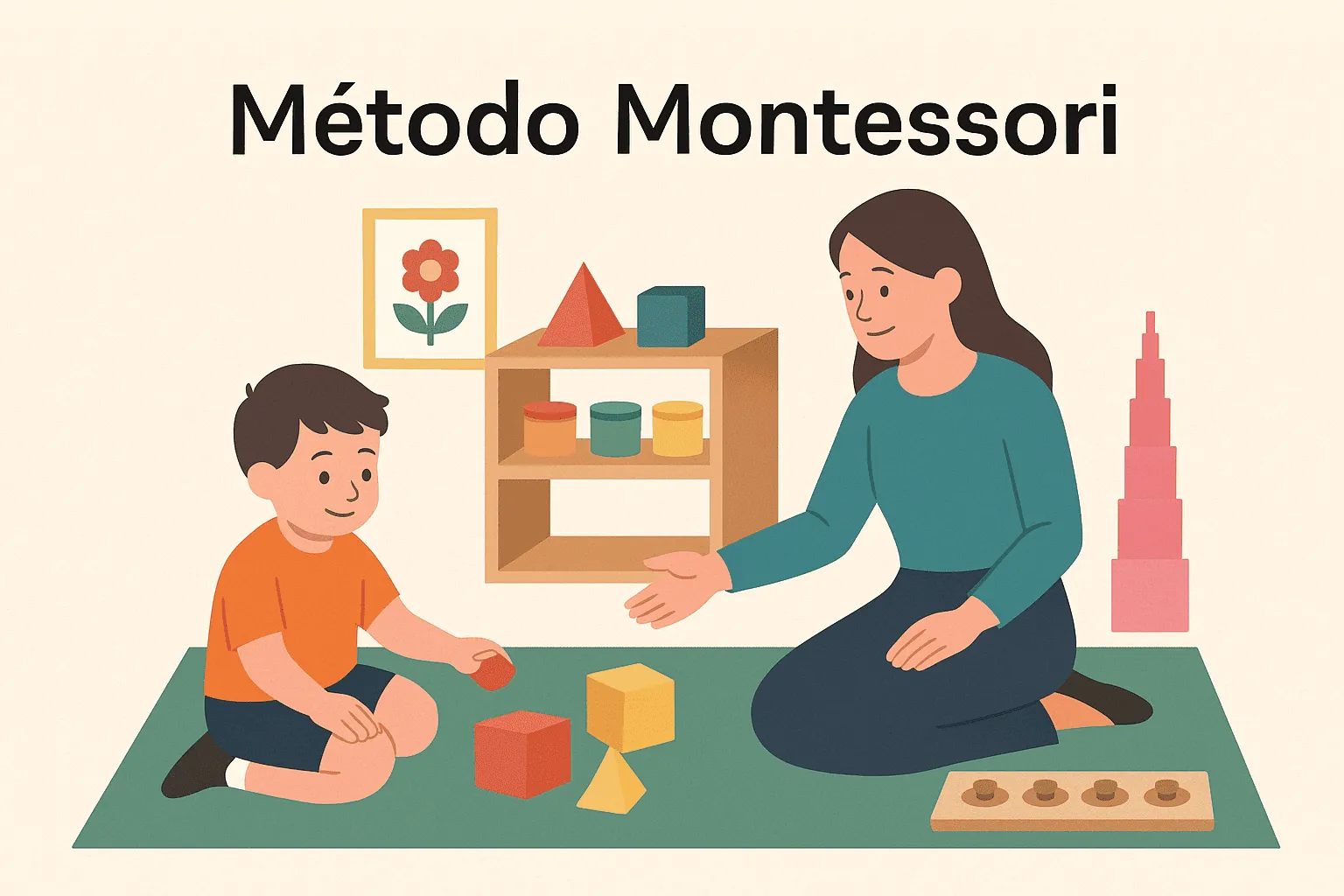
Imagine a teacher who decides to reorganize their classroom based on Montessori principles. Instead of traditional desks lined up in rows, the teacher opts for a layout that encourages movement and collaboration among students. The environment is enriched with various learning stations—math manipulatives, reading corners, and art supplies. Each station is designed for independent discovery and exploration, allowing students to choose what and how they learn. This setup promotes a deeper engagement and supports individual learning styles, fostering an environment where every child feels valued and empowered.
Preparing a Child’s Room for Independence
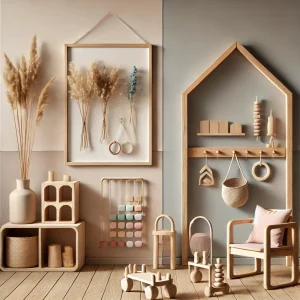
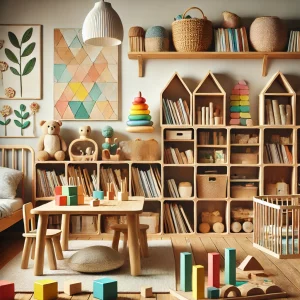
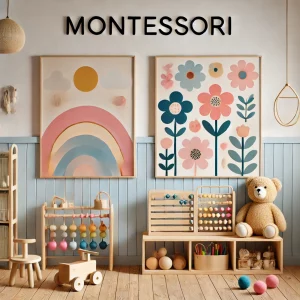
On the home front, parents can create a Montessori-inspired environment by preparing their child’s room to encourage independence. This can include lowering shelves so children can access their own toys and books, providing child-sized furniture, and incorporating self-care tools like a small mirror and step stool in the bathroom. Such thoughtful arrangements not only help promote autonomy but also allow children to develop life skills essential for their growth.
Understanding Montessori Pedagogy
To effectively implement Montessori principles, it’s necessary to understand the underlying theories of pedagogía Montessori. Montessori considered the environment to be a key component of learning. By carefully curating materials and spaces, educators can facilitate an optimal learning experience that encourages children’s natural desire to explore and learn.
The Role of Freedom and Structure
One of the cornerstones of the Montessori method is the balance between freedom and structure. Children are given the autonomy to choose their activities within set boundaries. This balance allows children to guide their own learning while also helping them develop self-discipline and responsibility. Educators and parents must remain observant and provide the right amount of guidance without interrupting a child’s natural learning process.
Connecting with Montessori Resources
As parents and educators delve into the Montessori approach, they may seek out resources that can support their journey. The Montessori Maria website offers valuable information, including comprehensive guides for parents interested in Montessori education. Understanding how to implement these principles together can foster a supportive community around each child’s learning experience.
The Importance of Observation
Observation plays a crucial role within the Montessori framework. By observing children in their natural learning environments, educators and parents can gain insight into their interests and developmental stages. This understanding allows for a more personalized approach to education, where lessons and activities can be aligned with a child’s unique needs.
The Future of Montessori Education
As we move forward, the importance of Montessori education continues to grow. More families are recognizing the benefits of a child-centered approach, thus increasing the demand for Montessori programs. For those who find themselves searching for “Montessori near me”, the growing number of Montessori schools offers various options to fit diverse needs.
Finding a Montessori School
If you’re looking for a Montessori school in your area, be sure to explore the resources available on the Montessori Maria website. Here you can access a Montessori locator to help you find the best educational setting for your child. Whether you’re interested in a full-time Montessori school or supplemental programs, knowing where to start can make all the difference.
Support from MarÍA, Your AI Assistant
For additional guidance, consider reaching out to MarÍA, our AI assistant available on the Montessori Maria website. MarÍA is equipped to answer various questions about Montessori education and can help direct you to the resources that meet your specific needs. Whether you’re a parent or an educator, MarÍA is here to assist you in navigating the educational landscape.
Conclusion
Maria Montessori’s legacy has had an indelible impact on education, inspiring both parents and educators to embrace a holistic approach to learning. By understanding the core principles of Montessori education and applying them in everyday settings, we can create nurturing environments that foster independence, creativity, and a love for learning. For further reading, immerse yourself in articles like Understanding the Essence of Maria Montessori and Understanding Montessori: A Comprehensive Guide for Parents. In this journey, let’s work together to build a better future for our children through the wisdom that Maria Montessori has gifted us.