Introduction
In today’s educational environment, many families find themselves searching for “Montessori near me” or “Montessori school near me” as they seek effective educational guidance for their children. The demand for Montessori education continues to grow, attracting parents and educators who recognize the unique benefits of this approach. Our website provides a Montessori locator along with helpful guides to assist in navigating the world of Montessori education.
Who Was María Montessori?
María Montessori (1870-1952) was an Italian physician and educator known for developing the Montessori method of education. Her innovative approach was shaped by her work with children, especially those with disabilities, inspiring her to create an educational framework that emphasized self-directed activity, hands-on learning, and collaborative play. Montessori believed that children learn best in an environment where they can make choices and explore at their own pace. You can learn more about María Montessori y su legado and how her principles have laid the foundation for modern educational practices.
The Essence of the Montessori Method
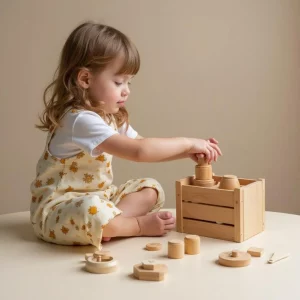
At the heart of the método Montessori is the belief that children are naturally curious and capable of learning independently when provided with the right tools and environment. This method encourages children to take the lead in their education, fostering a sense of autonomy and responsibility that carries into later life. It promotes a learning atmosphere where children can interact with materials and fellow learners, shaping their understanding of the world around them.
Implementing Montessori Principles at Home
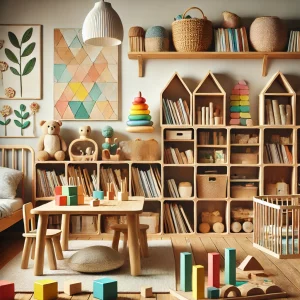
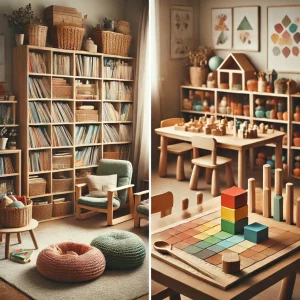
Implementing Montessori principles at home may seem daunting at first, but with some practical suggestions, parents can create an environment that nurtures independence and curiosity. One real-life example involves a family reorganizing their child’s room to facilitate a Montessori-inspired setup. By placing learning materials within easy reach and creating designated areas for different activities, parents empower their children to choose their pursuits. For instance, a child may have a section for art supplies, a reading nook, and a space for building blocks, all accessible without parental intervention.
Classroom Transformation: A Teacher’s Journey
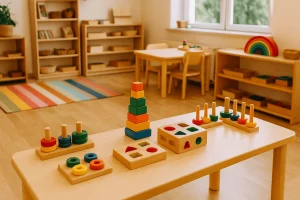
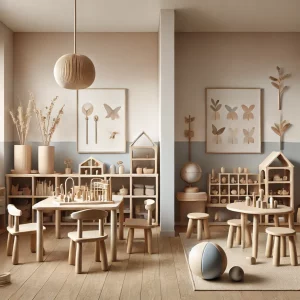
Educators can also adopt Montessori principles within their classrooms. A teacher might begin the process by decluttering the traditional setup filled with rows of desks. Instead, they could rearrange the classroom into distinct activity areas that promote exploration and collaboration. This could include a science corner equipped with tactile materials for inquiry-based learning, a library nook with varied reading materials, and a space for quiet contemplation or reflection. Shifting the classroom atmosphere in this way supports vital skills such as problem-solving and communication.
Understanding Montessori Pedagogy
Montessori pedagogy emphasizes learning through discovery and practical experience. The approach is rooted in the idea that education should be holistic, engaging the child’s physical, emotional, and intellectual development. As parents and educators delve deeper, they can learn more about pedagogía Montessori and how it transforms educational experiences for children.
The Vital Role of Environment in Montessori Education
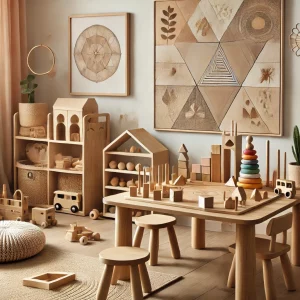
The environment in which children learn plays a fundamental role in fostering their growth. In a Montessori classroom, the setup is tailored to meet the needs of the child, allowing for freedom of movement, choice of activities, and time for focused work. Whether at school or at home, creating a prepared environment enables children to thrive. For example, parents can introduce low shelving, inviting children to select their toys or educational materials at their convenience. By offering age-appropriate utensils and furniture, parents can design spaces that promote independence.
Practical Steps for Parents
To help parents implement Montessori principles effectively, several key steps can be taken. First, observe your child to identify their interests and natural inclinations. Next, tailor their space to accommodate these interests; this might mean setting aside a small kitchen space where they can help with meal preparation. Correction of behaviors like excessive screen time can also be managed by suggesting engaging hands-on alternatives. This method empowers children to take control of their learning journey.
Community Resources for Montessori Education
For parents and educators looking for more guidance, our AI assistant, MarÍA, is available on the Montessori Maria website. MarÍA can provide tailored advice and connect users with local resources. Moreover, utilizing the Montessori locator makes finding local schools and educational programs seamless, reinforcing the community’s support for families seeking a Montessori education.
Enriching the Montessori Experience
Participating in activities that reinforce Montessori principles outside the classroom can significantly enrich the educational experience. For example, parents might enroll their children in community programs that offer hands-on learning, such as gardening clubs or science workshops. Moreover, hosting playdates where children engage in collaborative problem-solving can further solidify their learning through social interaction.
Emphasizing Self-Directed Learning
Encouraging self-directed learning can begin early. Parents can introduce concepts of responsibility and choice by allowing children to set their own schedules for chores, homework, and recreational activities. This independence nurtures decision-making skills and accountability, equipping children to navigate adult responsibilities as they grow.
Conclusion: Embracing the Montessori Approach
The Montessori method provides a unique and powerful framework for fostering a love of learning and independence in children. Parents and educators who embrace María Montessori’s principles can create environments that empower children to become self-sufficient and enthusiastic learners. By exploring the resources available on our website and implementing Montessori principles in everyday life, families and educators can nurture the natural curiosity within every child. For those interested in deepening their understanding, further reading on understanding María Montessori and her transformative approach offers invaluable insights.