Introduction
Today, many families are seeking educational alternatives for their children, often searching for “Montessori near me” or “Montessori school near me” to find schools that align with the principles of Maria Montessori. These searches reflect a growing awareness of the Montessori method’s effectiveness in fostering independent, curious, and engaged learners. Our website offers a comprehensive Montessori locator that helps parents and educators find Montessori schools and resources tailored to their needs. You can view your options by visiting our Montessori locator and exploring helpful guides for a deeper understanding of this transformative educational philosophy.
A Brief Biography of Maria Montessori
Maria Montessori was born in Italy in 1870 and became the first female physician in her country. Her innovative journey into education began when she observed the natural behavior of children in her medical practice. With a profound belief in the child’s innate ability to learn, Montessori developed an educational approach that emphasized independence, respect for a child’s natural development, and the importance of a prepared environment. You can read more about her impact and legacy in our article on María Montessori y su legado.
The Montessori Method
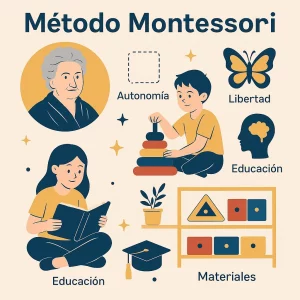
The Montessori method is grounded in the understanding of how children learn best through self-directed activity, hands-on learning, and collaborative play. In contrast to traditional education models, which can sometimes stifle a child’s natural curiosity, Montessori education fosters an environment where children can explore at their own pace. Key principles include multi-age classrooms, student choice in learning activities, and a focus on holistic development. Learn more about these concepts in our comprehensive guide on the método Montessori.
Practical Real-Life Examples
Reorganizing the Classroom
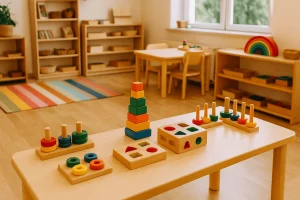
Consider a teacher named Anna who has decided to embrace Montessori principles in her classroom for young learners. Instead of traditional rows of desks, she creates distinct learning areas, including a reading nook, a science corner, and an art station. Each area is equipped with materials suited for different developmental stages and interests. By providing children with various options, Anna encourages them to choose how they want to learn on a given day, fostering independence and confidence in their decision-making. This aligns perfectly with the core tenets of pedagogía Montessori.
Preparing a Child’s Room for Independence
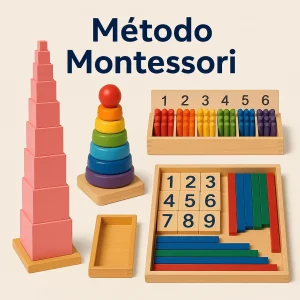
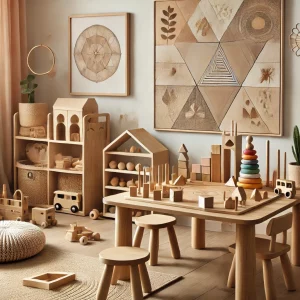
In another instance, parents Sarah and John are preparing their home for their toddler, Jamie, to foster independence. They create a child-friendly space that includes low shelving filled with toys and books within Jamie’s reach. They also set up a small table and chair where Jamie can engage in activities like drawing or stacking blocks. By designing Jamie’s room with independence in mind, they empower their child to choose how to play and learn, fostering confidence and self-esteem. This aligns perfectly with the Montessori philosophy that emphasizes the importance of the environment in a child’s learning process.
Challenges of Implementing Montessori Principles
While the Montessori method is enriching, some educators and parents may face challenges during implementation. For example, a teacher might struggle with giving students the freedom to choose their activities while ensuring they still cover essential curriculum standards. In such cases, professional development workshops or online resources can equip educators with strategies to balance freedom with structured learning. Parents may also encounter limitations, such as a lack of resources to fully embrace a Montessori approach at home. Nevertheless, small adjustments—like incorporating Montessori materials or learning activities—can still make a significant difference.
Resources for Parents and Educators
For those interested in learning more about the Montessori method, numerous resources are available. Our website features an AI assistant named MarÍA, available on the Montessori Maria website, ready to answer specific questions and guide you through the practical application of Montessori principles both at school and home. Additionally, you may explore articles such as Discovering Montessori: A Guide for Parents and Understanding Montessori Pedagogy to further your knowledge.
Conclusion
In conclusion, the Montessori method presents an inspiring alternative to conventional educational systems, emphasizing the importance of a child’s unique learning journey. With the increasing demand for “Montessori near me,” it is essential for parents and educators to explore this approach further. Whether through professional development, home activities, or educational materials, engaging with Montessori principles can create enriching environments for children. Don’t hesitate to visit our guides and tools that help bridge the gap between a child’s natural independence and effective learning. Remember that resources are just a click away to lead you down this rewarding path!
For more information about Maria Montessori’s innovative approach to education, consider checking out our latest articles like The Transformative Power of Montessori Education or read Understanding the Montessori Method to deepen your knowledge and understanding.