Introduction
In today’s fast-paced world, many families are increasingly turning to educational methodologies that prioritize their child’s natural instincts and developmental needs. As a result, searches for “Montessori near me” or “Montessori school near me” have become commonplace. At our website, we are committed to helping you find the best Montessori resources and schools tailored to your child’s needs. Our Montessori locator and comprehensive guides aim to make this journey easier for parents and educators alike.
A Brief Biography of María Montessori
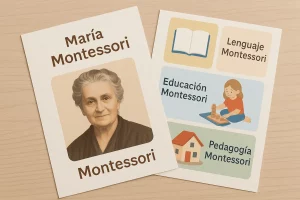
Born in 1870 in Chiaravalle, Italy, María Montessori became a pioneering figure in the field of education. Initially training as a physician, she quickly transitioned to education due to her work with children with special needs. Montessori’s observations led her to develop a child-centered educational approach that emphasizes hands-on learning and independence. Her work has had a lasting influence, inspiring millions of educators and parents. To delve deeper into her life, you can read about María Montessori y su legado.
Understanding the Montessori Method
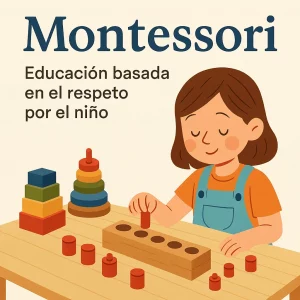
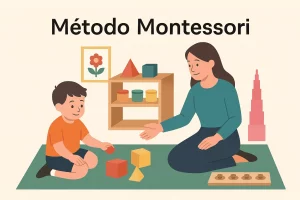
The core of Montessori education lies in its unique methodology. The método Montessori is designed to foster independence, curiosity, and a love for learning. Children are allowed to choose their activities according to their interests, enabling them to learn at their own pace. Educators act as guides rather than traditional instructors, which leads to deeper understanding and retention of knowledge.
Real-Life Examples in the Classroom
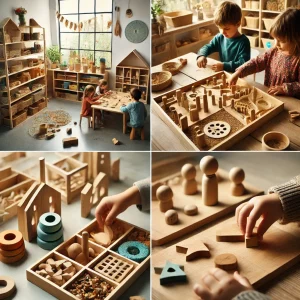
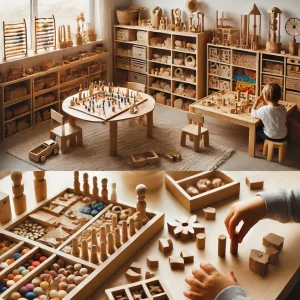
Imagine a classroom where the teacher has reorganized her space to better adhere to Montessori principles. Instead of rows of desks facing a whiteboard, the classroom is filled with distinct activity stations. Each station caters to different subjects and skills, promoting exploration and discovery. The teacher takes on the role of facilitator, guiding students to resources they choose, thereby allowing exploration that aligns with their interests.
Preparing the Home Environment for Independence
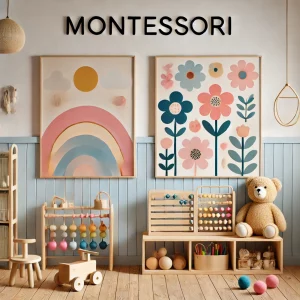
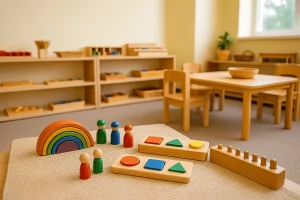
Parents can also apply Montessori principles at home. For instance, creating a child-friendly space involves setting up areas where children can independently access materials. Consider a room where all items, from books to art supplies, are stored within the child’s reach. A small table and chair will help provide a designated area for activities. This preparation encourages children to engage in tasks like picking out a book to read or creating art without the constant assistance of an adult.
Implementing Montessori Principles in Daily Life
A common challenge for parents and educators is to effectively integrate Montessori principles into everyday routines. For example, during mealtime, children can be involved by setting the table or preparing simple foods. This approach not only promotes independence but also instills a sense of responsibility and accomplishment.
Accessing Montessori Resources
Proponents of Montessori education can find support and resources through our website. Not only do we offer a Montessori locator to help families find nearby schools, but we also provide a wealth of information through articles that explain various aspects of Montessori education. For example, our article on Understanding Montessori: A Comprehensive Guide for Parents is a valuable starting point for those new to the method.
Exploring Montessori Pedagogy
The pedagogía Montessori goes beyond the classroom. It is a holistic approach that encompasses and respects the child as an active participant in their own learning. Understanding this pedagogy is essential for both parents and educators seeking to implement Montessori principles effectively.
Practical Applications in Education
Educators can benefit greatly from professional development programs focused on the Montessori method. For instance, a teacher undergoing training might learn how to encourage self-directed learning through a properly structured environment. This could involve allowing students to select their projects or research topics based on their interests. Such strategies empower children to take ownership of their education while also enhancing critical thinking skills.
The Role of Technology in Montessori Education
Integrating technology in Montessori settings should be done thoughtfully. While traditional Montessori classrooms focus on tactile materials and independent exploration, technology can offer an additional layer to enhance learning. For instance, parents can introduce interactive learning apps that provide educational games conducive to the Montessori philosophy, helping children learn while having fun.
Connect with the Community
Finding and connecting with other Montessori families can be invaluable. Our AI assistant, MarÍA, is available on the Montessori Maria website to assist you in finding relevant information and resources. Engaging with a community not only provides additional support but opens up opportunities for collaboration and sharing of educational experiences.
Conclusion
Whether you’re a parent exploring options for your child’s education or an educator seeking innovative teaching methods, understanding María Montessori and her educational approach can profoundly impact learning. As the popularity of Montessori education continues to grow, remember that you are not alone on this journey. Use our resources, connect with other families, and enjoy the process of nurturing that innate love of learning in your child.