Finding Montessori Resources Today
In today’s world, many families actively seek “Montessori near me” or “Montessori school near me” to find the most suitable educational environment for their children. As parents and educators begin understanding the benefits of the Montessori method, they often require guidance and support in navigating this approach. Our website provides a helpful Montessori locator and informative guides to assist you in your journey.
A Brief Biography of María Montessori
Born in 1870, María Montessori was an Italian physician and educator whose revolutionary ideas reshaped the landscape of early childhood education. She developed a child-centered approach based on the belief that children learn best in environments that encourage exploration and independence. Her legacy can be explored through a variety of mediums, including the impact of María Montessori and her legacy.
Principles of the Montessori Method
The Montessori method is grounded in several key principles that differentiate it from traditional educational paradigms. At its core, it values the child’s natural curiosity and the importance of a prepared environment where children can freely choose activities that align with their interests. This method promotes hands-on learning, social interaction, and respect for a child’s independence.
Creating a Prepared Environment
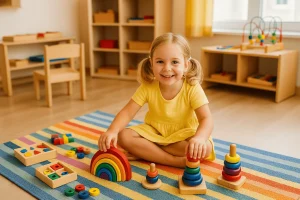
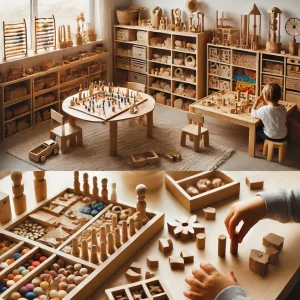
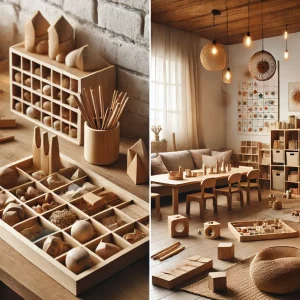
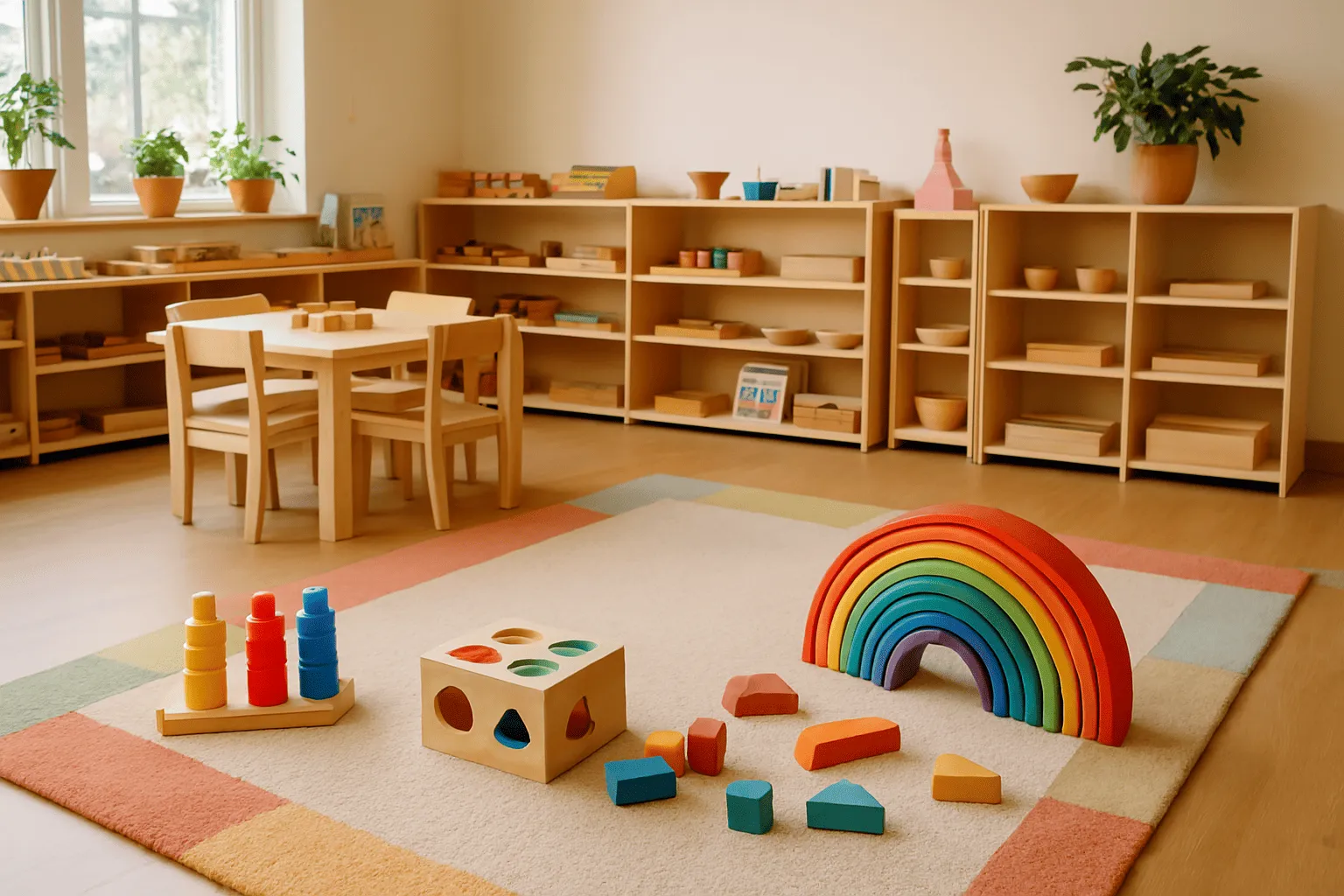
To illustrate how these principles come alive in real-life situations, consider the example of a teacher who reorganized their classroom to align more closely with Montessori principles. Instead of conventional desks, the teacher arranged low tables and shelves filled with a variety of engaging materials. Children are free to move around, select activities, and work at their own pace, fostering a sense of ownership over their learning. This shift not only enhances the learning experience but also encourages collaborative interactions among students.
Fostering Independence at Home
Parents can also implement Montessori principles at home. For example, setting up a child’s room with accessible storage for toys and clothes encourages independence. Children can choose their clothes, organize their play areas, and even help with simple tasks like setting the table. Such adjustments cultivate responsibility and autonomy in children, as they learn to manage their own space.
The Role of Educators and Parents
Educators and parents are crucial in implementing pedagogía Montessori in children’s lives. The collaboration between home and school creates a seamless learning experience for children, reinforcing the autonomy and skills they develop in both settings. Teachers trained in the Montessori approach guide children in their learning processes while allowing them the freedom to explore and make choices.
Examples of Montessori in Action
Consider the case of a classroom where a teacher introduces a work cycle. During this time, students choose their activities, which can span from practical life skills to academic pursuits. One child may spend time pouring water in a sensorial activity, while another kid may engage with a math material. This approach not only respects each child’s interests but also allows them to learn important life skills through play.
Adapting Montessori for Different Age Groups
The Montessori method is versatile and is designed to adapt to various age groups. For infants, the focus is on creating a nurturing environment, including sensory materials that stimulate their senses and encourage movement. Toddlers, on the other hand, benefit from activities that promote fine motor skills and self-care routines.
Preparing for Future Success
As students progress to primary and elementary levels, they engage in more complex tasks that develop critical thinking and problem-solving skills. A Montessori classroom allows students to work in groups, collaborate, and develop social skills essential for future success. Educators facilitate learning while recognizing that children thrive when given choice and respect.
Connecting with Montessori Resources
For parents and educators looking to explore Montessori further, our comprehensive guide offers valuable insights into the Montessori approach. It provides strategies to implement these principles both at home and in school settings, ensuring that children receive the most beneficial learning experience.
Seeking More Information
To help you in your search for the right Montessori program, our website exposes you to resources, articles, and reviews that can be useful when considering a specific Montessori school. Additionally, you might find our AI assistant, MarÍA, helpful in navigating educational options, offering your family personalized recommendations that resonate with your goals.
The Importance of a Community
One vital aspect of the Montessori community is the shared understanding among parents and educators committed to creating supportive environments for children. Regular interactions, workshops, and training sessions help everyone stay informed of the latest practices and provide support in applying Montessori principles in everyday contexts. The more knowledge parents gain, the better positioned they are to foster their child’s growth.
Final Thoughts on Montessori Educational Philosophy
In conclusion, exploring the impact of María Montessori is vital for parents and educators interested in embracing this philosophy. The journey doesn’t end with the classroom; implementing these principles in life fosters development and encourages lifelong learning. If you’re still searching for the right educational fit for your child, check out our resources for guidance and support.
Your Montessori Journey Begins Here
Whether you are a parent, educator, or someone interested in the Montessori approach, the right resources are crucial for understanding how to implement this free-choice model effectively. Visit the Montessori Maria website to discover more tools, insights, and guides dedicated to enhancing your educational journey.