Introduction
In today’s world, many families searching for educational options for their children often find themselves typing phrases like “Montessori near me” or “Montessori school near me” into their search engines. These queries reflect a growing interest in the Montessori method, which emphasizes child-led learning and independence. On our website, you can find a Montessori locator and helpful guides to assist you in your journey, helping you to connect with resources and schools in your vicinity, such as the Montessori school in Terni, Umbria.
Biographical Background
Maria Montessori was born on August 31, 1870, in Chiaravalle, Italy. As one of the first female physicians in Italy, her medical background significantly influenced her educational philosophy. Montessori began her career in education by observing children in various environments, leading to the development of her unique educational approach. Her work, which focuses on the natural curiosity of children, promotes hands-on learning and fosters independence. For an in-depth look at her life and contributions, explore María Montessori y su legado. Through her innovative philosophy, she has left a lasting legacy that continues to shape educational practices globally.
Practical Applications of Montessori Principles
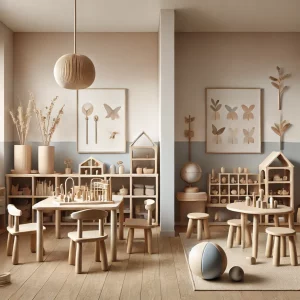
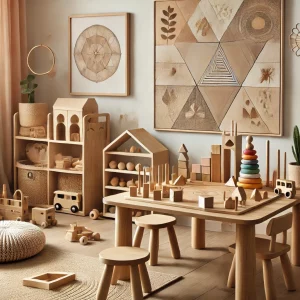
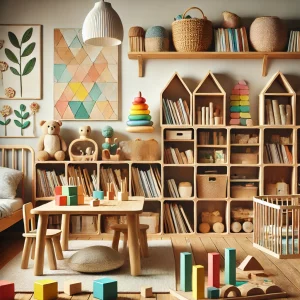
Understanding the Montessori method can transform both home and classroom environments. Educators and parents interested in método Montessori will find that real-life examples illustrate how these principles can be implemented effectively. For instance, consider a teacher who reassesses their classroom layout to promote child independence. The teacher organizes materials on low shelves within reach of the children, allowing them to select their learning activities freely. This environment encourages decision-making and responsibility, crucial aspects of the Montessori philosophy.
Creating an Independent Space at Home
Parents can also embrace Montessori principles by preparing a child’s room to support independence. Imagine a room designed with care, featuring a low bed that enables the child to get in and out on their own, paired with easily accessible storage where toys and books are organized by category. This arrangement not only empowers children to choose their activities but also enhances their ability to tidy up afterward, fostering a sense of ownership and pride in their space. For more insights into these principles, visit our pedagogía Montessori guide.
Montessori Learning Materials
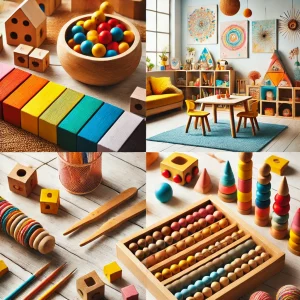
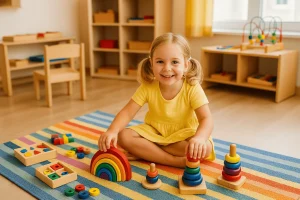
Montessori learning materials are integral to the method’s success. These materials are specifically designed to meet the developmental needs of children. For example, consider the use of practical life activities such as pouring, spooning, and buttoning. These tasks enhance fine motor skills and concentration while allowing children to engage in meaningful work. A Montessori classroom will typically have a variety of such materials, strategically placed to encourage exploration and discovery. Understanding these resources is crucial for educators who wish to implement Montessori principles effectively.
Real-World Classroom Example
In a real-world example, a Montessori teacher, Maria, decided to incorporate more sensory activities into her classroom. By adding musical instruments, textured fabrics, and color-matching games, she created an environment rich in sensory experiences. Her students thrived, as they could choose activities that matched their interests and developmental stages. These adjustments aligned perfectly with Montessori’s vision of personalized learning, illustrating how educators can adapt their teaching strategies to better meet their students’ needs.
Common Misconceptions About Montessori
Despite its growing popularity, several misconceptions about Montessori education persist. One common belief is that Montessori classrooms are unstructured or chaotic. In reality, these environments are carefully planned to promote independence while maintaining a structured routine. Teachers guide children’s learning through observation and provide support when needed, ensuring that children can flourish within this framework. To delve deeper into Montessori’s true nature, check out our article on Understanding Montessori Pedagogy.
The Role of the Educator
In Montessori education, the role of the teacher is significantly different from traditional methodologies. Instead of being the central authority figure, the educator acts as a guide, facilitating learning opportunities while allowing children the freedom to explore at their own pace. This shift in dynamics fosters a respectful and collaborative environment where children feel empowered to take charge of their learning journeys.
Connecting with Montessori Resources
For parents and educators looking to implement Montessori principles at home or in the classroom, connecting with local resources can be invaluable. Searching for “Montessori near me” can lead you to nearby schools, libraries, and community programs that embody these educational values. Exploring different options will provide insights into the varied ways Montessori is applied in diverse settings.
The Future of Montessori Education
As society continues to evolve, the Montessori approach adapts and remains relevant. The current focus on personalized learning and holistic development aligns seamlessly with modern educational goals. By incorporating technology, such as our AI assistant MarÍA on the Montessori Maria website, educators can access additional resources and tools that enhance the Montessori experience. MarÍA is there to help you navigate through available options and ensure that you find the best education path for your child.
Conclusion
María Montessori’s innovative approach has not only gained traction in traditional educational circles but continues to inspire new generations of educators and parents. By understanding the principles of the Montessori method, you can create enriching environments that support your child’s development. Whether you are a teacher reorganizing a classroom or a parent preparing a nurturing space at home, incorporating Montessori practices can lead to meaningful learning experiences. For ongoing guidance and resources, explore the various articles on our site, such as Understanding Maria Montessori and Understanding Montessori: A Comprehensive Guide for Parents. Discover the transformational power of Montessori education today!