Introduction
In today’s world, many families are in search of educational methods that promote independence and a love for learning. A quick search for “Montessori near me” or “Montessori school near me” showcases the growing interest in innovative educational approaches. Parents and educators alike are drawn to the Montessori method for its child-centered philosophy, which aligns with the evolving needs of children in the 21st century. Our website not only provides a helpful Montessori locator but also offers insightful guides that can help you navigate your Montessori journey. For further exploration, you can check out our guide on finding a Montessori school in Terni, Umbria.
A Brief Biography of Maria Montessori
Maria Montessori was an Italian physician and educator, born in 1870. She was the first female graduate in medicine from the University of Rome. Her initial work with children began in a daycare for impoverished children, where she observed their natural curiosity and ability to learn independently. This experience laid the foundation for the legacy of Montessori. Montessori recognized that children thrive when given the freedom to explore their interests in an environment that fosters their natural development. This led her to develop the Montessori method, emphasizing hands-on learning, collaborative play, and respect for a child’s natural psychological development.
The Montessori Method Today
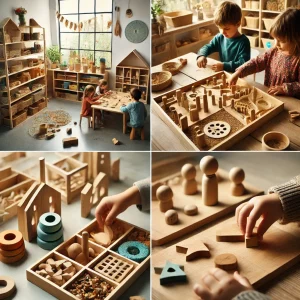
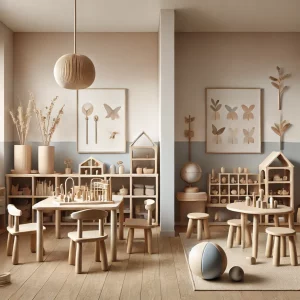
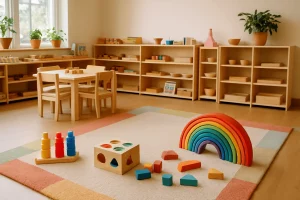
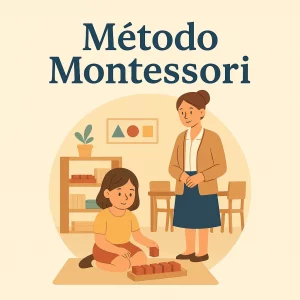
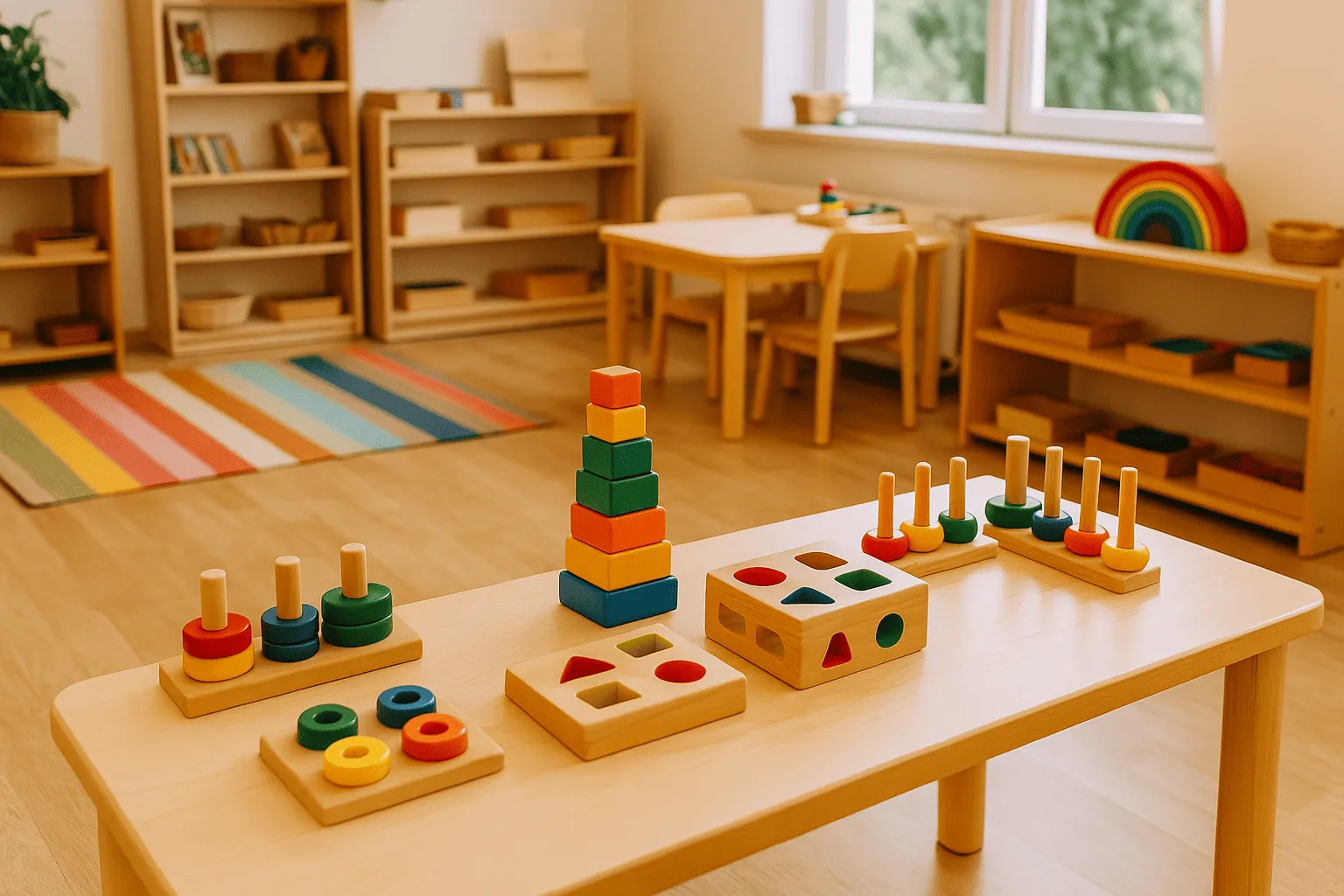
Today, many parents seek to utilize Montessori principles at home or in educational settings. The Montessori method is characterized by its emphasis on self-directed activity, where children make choices in their learning. For example, consider a classroom where a teacher has organized materials into accessible, inviting work areas. Instead of traditional rows of desks, the classroom layouts promote movement and exploration, allowing children to choose their activities and learn at their own pace.
Practical Applications in the Classroom
Imagine a teacher named Sarah who has recently completed training in the Montessori method. Inspired by her newfound knowledge, she takes a weekend to reorganize her classroom. She sets up various learning stations, each designed to cater to different subjects, such as mathematics, language, and science. The materials are all within reach of the children, encouraging them to engage with the resources as they choose. By Monday, Sarah notices a significant improvement in student engagement and independence; her students are excited to explore and learn from their environment.
The Role of Parents in Embracing Montessori Philosophy
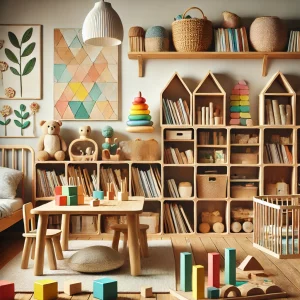
At home, parents can adopt Montessori principles to cultivate a child’s independence and confidence. For instance, preparing a child’s room involves creating an environment where the child can access materials and toys independently. This could mean lowering shelves, organizing toys by type, and removing unnecessary distractions. Parents who embrace this philosophy often find that their children are more self-reliant and capable of making informed choices.
Creating a Montessori-Friendly Home
Consider the story of the Johnson family. After learning about the Montessori method, they decided to transform their toddler’s bedroom. They replaced a standard crib with a floor bed, allowing their child to get in and out of bed independently. They organized toys in labeled bins on low shelves, granting their child easy access to books and play materials. The Johnsons quickly noticed that their child was more engaged in self-play, displayed greater creativity, and even began tidying up after playtime!
Understanding Key Montessori Concepts
At the heart of the Montessori philosophy is the belief in the natural development of children. By understanding the pedagogía Montessori, parents and educators can better support this development. Key concepts include observation, following the child’s interests, and fostering social development. Observing children allows adults to tailor the learning environment to meet individual needs.
Encouraging Independence in Children
The Montessori approach supports children’s independence through activities designed for their developmental stages. For instance, a parent might introduce practical life skills, such as pouring water or matching objects. These activities cultivate fine motor skills and instill a sense of accomplishment. When children engage in meaningful tasks, they develop confidence and a better understanding of their capabilities.
The Importance of Mixed-Age Classrooms
One of the cornerstones of Montessori education is the mixed-age classroom model. This setup allows older students to act as mentors while younger children learn from their peers. This collaborative learning environment fosters a sense of community and encourages social skills. For example, in a mixed-age classroom, a 6-year-old might teach a 4-year-old how to solve a puzzle, reinforcing their own learning while helping their younger classmate.
Benefits of a Multi-Age Environment
In a Montessori school, children benefit from the wisdom of their peers in ways that are distinctive to this framework. This peer interaction nurtures empathy, teamwork, and problem-solving abilities. Educators often report that children in mixed-age classrooms are more adept at conflict resolution and communication, crucial skills for their future.
Engaging with the Montessori Community
For parents and educators eager to delve deeper into Montessori principles, engaging with the community is vital. Activities such as workshops, seminars, and parenting groups provide valuable networking opportunities and support. Our AI assistant MarÍA, available on the Montessori Maria website, can help answer questions and provide personalized recommendations to enrich your Montessori experience.
Finding Resources Online
For those new to Montessori, the wealth of information can be overwhelming. However, understanding the key concepts can enhance your family’s educational journey. For a comprehensive overview of Montessori techniques and practices, there are numerous resources available online. We recommend exploring articles such as Understanding Montessori: A Comprehensive Guide for Parents and Understanding Montessori Pedagogy: A Guide for Educators for deeper insights.
Conclusion
As we continue to navigate the complexities of modern education, the principles of Maria Montessori remain relevant, providing a roadmap for parents and educators. By fostering independence, nurturing creativity, and following the child’s interests, we can create enriching environments where children thrive. Explore the Montessori method through our guides and find a supportive community. For anyone searching for educational options in their area, remember to check out our Montessori locator. Embrace this transformative approach and watch your child flourish!