Introduction
In today’s world, where educational choices are as diverse as the children they serve, many families are searching for “Montessori near me” or “Montessori school near me” to find a suitable learning environment. The Montessori method, developed by Dr. María Montessori, offers a unique approach to education that emphasizes independence, respect for a child’s natural development, and a prepared learning environment. Our website provides a comprehensive Montessori locator and helpful guides to assist parents and educators in this journey; you can explore more through our Montessori locator at Montessori near me.
A Brief Biography of María Montessori
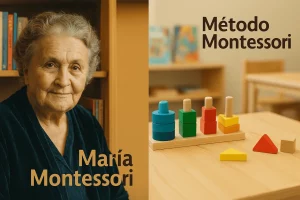
Born in Italy in 1870, María Montessori was one of the first female physicians in her country and an instrumental figure in early childhood education. Her experiences working with children with disabilities in a psychiatric hospital ignited her passion for child development. Through her observations, María recognized the importance of fostering a child’s natural desire to learn rather than imposing traditional educational techniques. In 1907, she opened the first Casa dei Bambini (Children’s House) in San Lorenzo, Rome, which laid the groundwork for what is now known as the pedagogía Montessori.
Implementing Montessori Principles in the Classroom
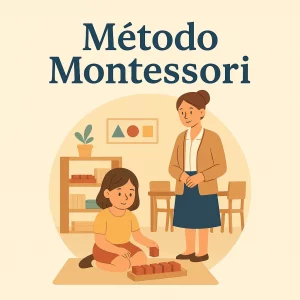
To give you an idea of how Montessori principles can be integrated into a classroom setting, let’s consider a scenario with a dedicated educator. Ms. Thompson, a kindergarten teacher, began to notice that her traditional classroom setup did not cater to the various learning styles of her students. Inspired by her research on the Montessori method, she decided to reorganize her classroom.
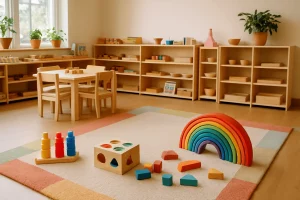
Instead of rows of desks, each equipped with standard supplies, Ms. Thompson transformed her classroom into learning areas tailored for different activities such as reading, science exploration, and art. She introduced hands-on materials that allowed children to manipulate and experiment. This newfound freedom encouraged students to move around, collaborate, and learn at their own pace, demonstrating the vast potential release when children are trusted to take ownership of their education.
The Role of the Teacher
In the Montessori classroom, the teacher is often referred to as a “guide” rather than an instructor. This shift in title reflects a profound change in classroom dynamics. Ms. Thompson realized that her role was to observe her students, identify their interests, and intervene when necessary to support their learning journey. For instance, during a spontaneous group activity, she encouraged her students to share their discoveries about natural habitats, fostering peer-to-peer learning and collaboration.
Creating a Montessori Environment at Home
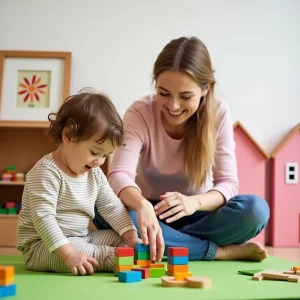
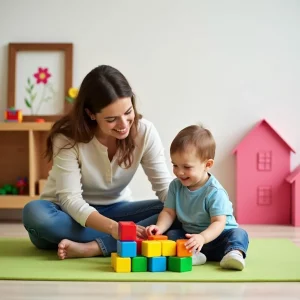
The Montessori philosophy extends beyond the classroom and into the home, enabling parents to provide an enriching environment that promotes independence and learning. Let’s consider a family preparing to create a Montessori-inspired space for their child. The Johnsons, parents to a curious 3-year-old named Lucy, wanted to foster her independence and support her developmental needs.
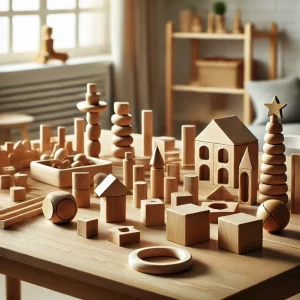
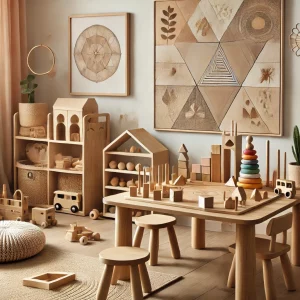
They began by decluttering Lucy’s playroom and removing toys that were not conducive to self-directed play. They carefully selected open-ended materials such as wooden blocks, art supplies, and practical life tools—items that encourage creativity and problem-solving. They also set up a low table where Lucy could engage in activities independently. This prepared environment encourages her to explore and choose activities freely, a fundamental principle of the Montessori approach.
Encouraging Independence
One particularly endearing example of Montessori principles in action came when the Johnsons introduced a small step stool in the kitchen. This simple addition allowed Lucy to assist in meal preparations. She eagerly washed fruits and vegetables, learning life skills while feeling empowered and included in family activities. Such experiences not only nurture independence but also strengthen her self-esteem and love for learning.
Real-Life Experiences with Montessori Education
Real-life examples of successful Montessori implementations are abundant. For instance, at a local Montessori school in Terni, Umbria, classrooms are designed to reflect Montessori principles. Each classroom contains distinct learning areas for subjects like math, language, and cultural studies, offering students numerous options for self-directed learning.
Educators in this setting engage in daily observations to assess students’ interests and progress. One teacher might notice a child who displays a keen interest in astronomy. Instead of prescribing a history lesson, the teacher might provide materials related to space exploration, sparking the child’s enthusiasm further. This child-centered approach ensures that each student’s unique learning journey is supported, enriching their daily school experiences.
Community and Collaboration
The Montessori educational philosophy also promotes community building and collaboration. For example, in Terni, schools often host community events and workshops where parents, educators, and children come together to share their experiences and learn from one another. Such gatherings strengthen ties and create a shared understanding of the Montessori methodology and its benefits.
Embracing the Legacy of María Montessori
As parents and educators explore the world of Montessori education, it becomes clear that María Montessori’s vision of fostering independence, curiosity, and respect for individuals remains relevant. The legacy of María Montessori is reflected in the transformational power of her methods and philosophies, which continue to inspire generations of learners.
For more in-depth exploration, we invite you to learn more about María Montessori y su legado. Additionally, for guidance on integrating the Montessori approach into your home or educational setting, our AI assistant, MarÍA, is available to help navigate your journey on the Montessori Maria website.
Conclusion
In conclusion, the interest in Montessori education is increasing as families seek nurturing environments where children can thrive. Whether through searching for “Montessori near me” or integrating practical Montessori principles at home, parents and educators play a crucial role in enriching the developmental journey of children. The Montessori method offers a path for nurturing independent, competent, and lifelong learners.
For valuable resources and articles on Montessori education, explore our latest posts, including insights on Understanding Maria Montessori, and deepen your understanding of the transformative impact of Montessori pedagogy.