Introduction to Montessori Education
In today’s educational landscape, many families often find themselves searching for “Montessori near me” or “Montessori school near me” to guide their children’s learning paths. Parents and educators are increasingly recognizing the importance of the Montessori method and its profound impact on child development. At Maria Montessori’s website, we strive to support your journey with a Montessori locator and a wealth of helpful guides that can empower both parents and educators in their quest for quality education: Montessori near me.
A Glimpse into the Life of Maria Montessori
Maria Montessori was born on August 31, 1870, in Chiaravalle, Italy, and grew to become one of the most influential figures in education. She was the first female doctor in Italy, and her approach to education stems from her deep understanding of child psychology. Montessori’s educational philosophy arose from her observations of children’s natural tendencies to learn and explore their environments.
Developing her methods during the early 1900s, Montessori focused on the role of the child in the learning process. She believed that education should not just focus on rote learning but should also encourage independence, curiosity, and a love of learning. For more information about her life and contributions, you can read more in this section about María Montessori y su legado.
Implementing Montessori Principles in Everyday Life
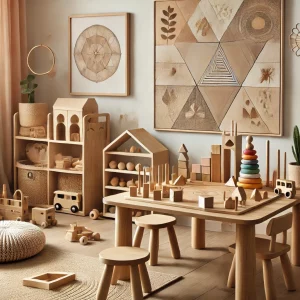
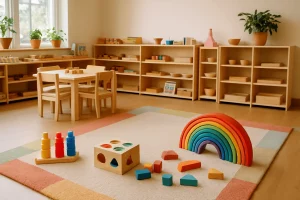
Adopting the Montessori approach doesn’t only apply to those within a traditional classroom setting; it can be seamlessly integrated into homes and everyday learning environments. For example, consider a teacher who wishes to reorganize their classroom to reflect Montessori principles. Instead of traditional desks arranged in rows, the teacher could create various learning stations, each designed to foster independence and exploration. Each station might include hands-on materials that children can engage with freely, encouraging them to choose their activities based on interest and readiness.
Creating a Montessori-Inspired Environment at Home
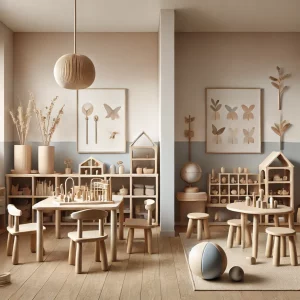
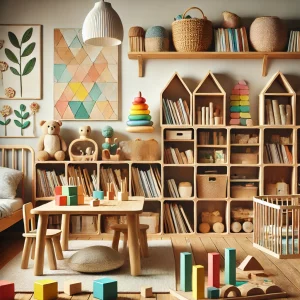
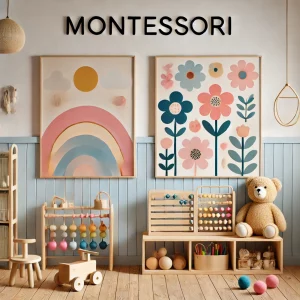
Similarly, for parents looking to cultivate a Montessori environment in their homes, the preparation of a child’s room can be transformative. By creating accessible spaces where children can retrieve and put away their toys independently, parents empower their children to take responsibility and initiative in their daily routines. Thoughtful organization, with items at the child’s height and within reach, allows them to practice independent skills that are central to the Montessori philosophy.
Understanding the Method: Practical Applications
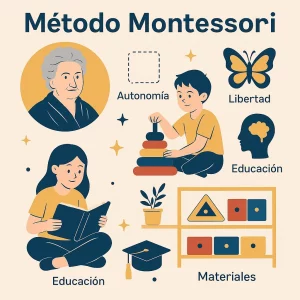
The método Montessori emphasizes self-directed activity, hands-on learning, and collaborative play. When a child is given the freedom to choose their activities, they become more engaged and motivated. Practical fun, such as using a child-sized broom to clean spills or preparing simple meals, are examples of how children can learn essential life skills while enjoying their learning process. These activities enhance their self-confidence and nurture their independence.
Engaging with Montessori Pedagogy in Diverse Settings
Educators can also benefit from a deeper understanding of pedagogía Montessori. For instance, teachers can encourage cooperative learning by introducing paired activities where students work together, helping each other to solve problems. This instills a sense of community and emphasizes the joy found in collaboration, essential components of the Montessori approach.
Assessing the Impact: Real-Life Examples
Consider a child in a Montessori school who chooses to engage in a project on gardening. Through this choice, the child learns about responsibility, the science of plant growth, and nutrition—all within their area of interest. The educator facilitates by providing resources and guiding the child to make connections rather than feeding them information. This method not only nurtures the child’s love for learning but also equips them with skills that are relevant to real-world experiences.
Practical Strategies for Parents
Parents guiding their children at home can implement similar strategies. For example, if a child shows interest in animals, parents can facilitate a visit to a local pet store or arrange for volunteering at an animal shelter. Such experiences not only enhance the child’s understanding of responsibility and empathy but also deepen their passion for learning beyond traditional confines.
Resources for Parents and Educators
Understanding the Montessori approach truly enhances the ability of parents and educators to create effective learning environments. Our website offers numerous resources and articles to help you delve deeper into Montessori principles, including Understanding Montessori: A Parent’s Guide and Understanding Montessori Pedagogy.
Connecting with Community
As the Montessori community continues to grow, there are many ways to connect with fellow parents and educators who share your interests. Utilizing our Montessori locator can help you find local resources and schools that embody these principles, ensuring that children receive the enriching experiences they deserve.
Conclusion: Embrace the Montessori Approach
As we have explored, the principles of Maria Montessori’s methodology can greatly benefit our children’s growth and development. By fostering independence, curiosity, and joy in learning, we lay the groundwork for lifelong learning and engagement. Whether you are a parent looking to enhance your child’s educational experience or an educator eager to adopt these transformative methods, there is a wealth of knowledge available for you. For further insights and support, visit Montessori Maria where you can also engage with our AI assistant, MarÍA, dedicated to assisting you in your Montessori journey. Together, let’s cultivate an environment where every child can thrive!